Historical Figures
An authoritative, deeply-linked database of history's most influential people. Browse 199+ figures by occupation, era, and civilization, or use search to find anyone instantly.
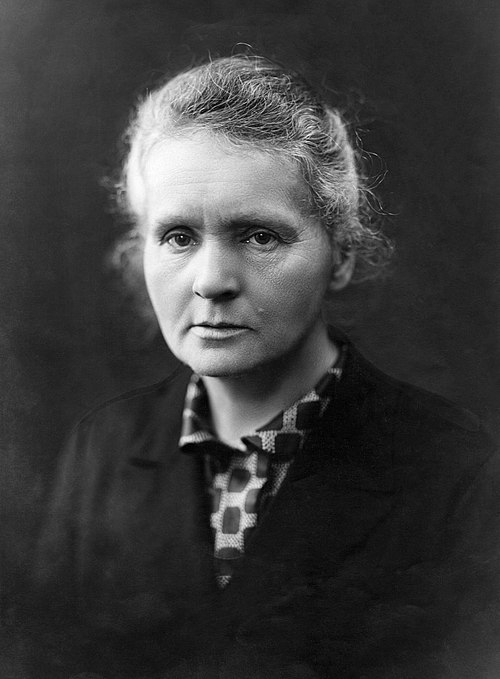
Marie Curie
92Marie Curie was a Polish-French physicist and chemist who pioneered research on radioactivity and became the first person to win Nobel Prizes in two different sciences.
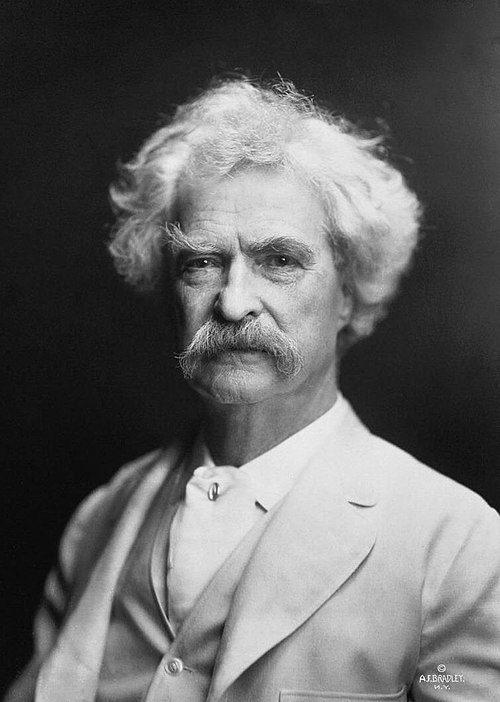
Mark Twain
84Mark Twain was an American writer and humorist, called the "father of American literature", whose novels The Adventures of Tom Sawyer and Adventures of Huckleberry Finn captured the voice of America and remain classics of world literature.
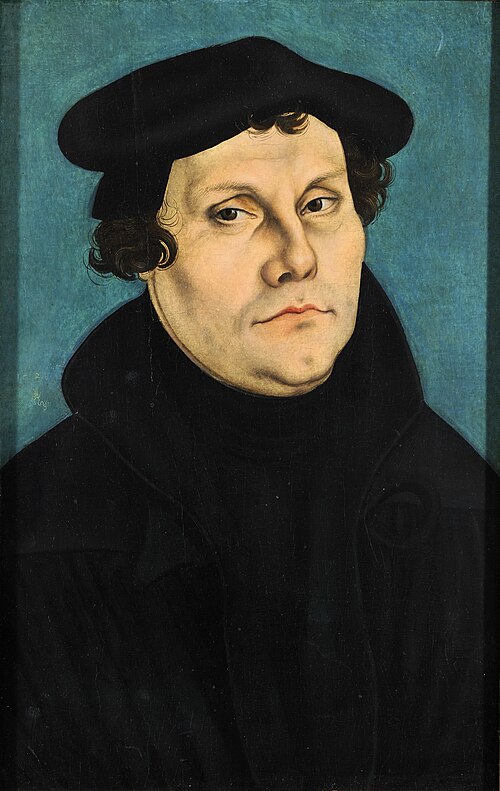
Martin Luther
91Martin Luther was a German theologian and reformer whose challenge to the Catholic Church sparked the Protestant Reformation and reshaped the religious, political and cultural landscape of Europe.
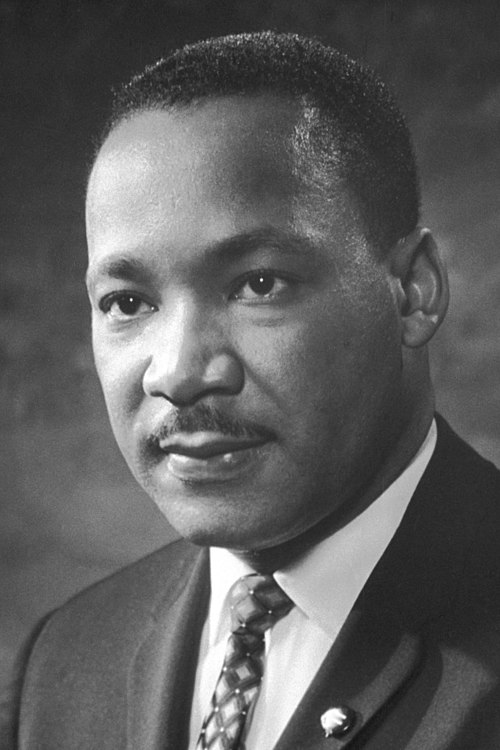
Martin Luther King Jr.
95Martin Luther King Jr. was an American Baptist minister and civil rights leader who championed nonviolent resistance to racial injustice and became the most prominent voice of the movement for equality in the United States.
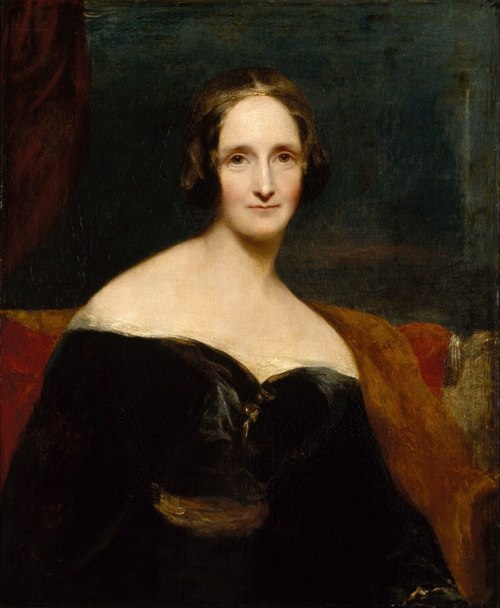
Mary Shelley
80Mary Shelley was an English writer who, at just eighteen, conceived Frankenstein — a novel often called the first work of science fiction — and went on to a notable literary career while editing the works of her husband, the poet Percy Bysshe Shelley.

Mary Wollstonecraft
85Mary Wollstonecraft was an English Enlightenment writer and philosopher, a pioneer of feminist thought whose A Vindication of the Rights of Woman argued for the education and equality of women.

Max Planck
89Max Planck was a German physicist who originated quantum theory by introducing the quantum of action, a discovery that launched modern physics and earned him the 1918 Nobel Prize.

Maya Angelou
80Maya Angelou was an American writer, poet and civil rights activist whose autobiography I Know Why the Caged Bird Sings became a landmark of American literature, giving powerful voice to Black womanhood, trauma and resilience.

Michael Faraday
93Michael Faraday was an English scientist whose discoveries in electromagnetism and electrochemistry, above all electromagnetic induction, laid the experimental foundation of the electrical age.

Michel de Montaigne
80Michel de Montaigne was a French Renaissance thinker and nobleman who invented the essay as a literary form, using candid self-examination to explore the human condition with unmatched honesty and wit.

Michelangelo
95Michelangelo was an Italian Renaissance sculptor, painter and architect, one of the greatest artists in history, creator of the David, the Pietà and the Sistine Chapel ceiling.

Miguel de Cervantes
91Miguel de Cervantes was a Spanish writer whose novel Don Quixote is widely regarded as the first modern novel and one of the greatest works in world literature.
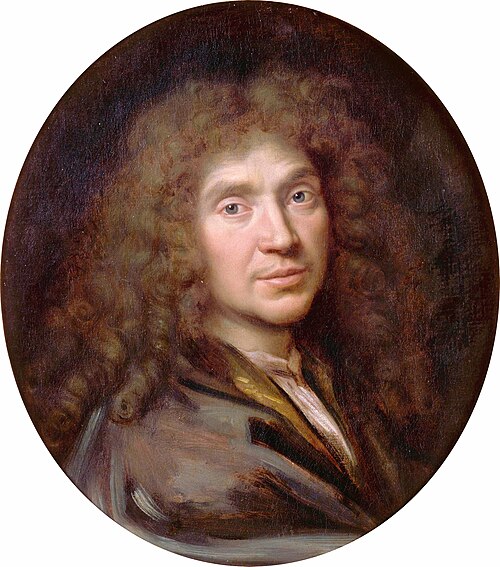
Molière
80Molière was a French playwright and actor of the 17th century, the supreme master of comedy in the French language, whose satires of hypocrisy and vanity remain among the most performed plays in the world.

Murasaki Shikibu
80Murasaki Shikibu was a Japanese noblewoman and writer of the Heian court whose Tale of Genji, written around 1010, is often called the world's first novel and a masterpiece of world literature.

Napoleon Bonaparte
94Napoleon Bonaparte was a French military and political leader who rose during the French Revolution, crowned himself Emperor, and dominated European affairs for over a decade.

Nathaniel Hawthorne
78Nathaniel Hawthorne was an American novelist and short-story writer whose dark, morally probing fiction — above all The Scarlet Letter — explored sin, guilt and hypocrisy in Puritan New England and helped found the American novel.

Nefertiti
79Nefertiti was an Egyptian queen, principal wife of the pharaoh Akhenaten, who wielded unusual power during his religious revolution and whose painted limestone bust is one of the most admired images of the ancient world.

Nelson Mandela
92Nelson Mandela was a South African anti-apartheid revolutionary and statesman who, after 27 years in prison, became the country's first democratically elected president and a global symbol of reconciliation.

Niccolò Machiavelli
88Niccolò Machiavelli was a Renaissance Italian diplomat, political philosopher and writer whose treatise The Prince founded modern political science and gave his name to ruthless statecraft.

Nicolaus Copernicus
93Nicolaus Copernicus was a Renaissance astronomer who formulated the heliocentric model placing the Sun, not the Earth, at the center of the universe — a revolution in human thought.

Niels Bohr
90Niels Bohr was a Danish physicist who created the first quantum model of the atom and became a leading architect of quantum mechanics through the Copenhagen interpretation.

Nikola Tesla
90Nikola Tesla was a Serbian-American inventor and electrical engineer whose pioneering work on alternating current and electromagnetism helped electrify the modern world.

Omar Khayyam
79Omar Khayyam was a Persian polymath of the Islamic Golden Age — a leading mathematician and astronomer — who is remembered in the West above all for the Rubaiyat, a collection of quatrains on life, fate and pleasure.

Oscar Wilde
81Oscar Wilde was an Irish writer and wit, one of the most celebrated playwrights of late-Victorian London, whose sparkling comedies, the novel The Picture of Dorian Gray, and famous epigrams made him a legend — before a scandalous trial destroyed his career.