empire · 1721–1917
Russian Empire
The Russian Empire was one of the largest empires in history, stretching across Eurasia from the Baltic to the Pacific, whose autocratic tsars, vast resources and rich culture made it a great power of the early modern and modern worlds.
Key Takeaways
- The Russian Empire was among the largest contiguous empires in history.
- It was ruled by autocratic tsars of the Romanov dynasty.
- It produced a golden age of literature, music and science in the 19th century.
- It fell in the revolutions of 1917.
- Type
- Autocratic empire
- Capital
- Saint Petersburg
- Span
- 1721–1917
Forged by the Romanov dynasty and expanded by rulers like Peter the Great and Catherine the Great, the Russian Empire combined autocratic rule with a flowering of literature, music and science before its collapse in revolution.
The Russian Empire was one of history’s largest states, sprawling across Eurasia from the Baltic Sea to the Pacific Ocean. Ruled by the autocratic tsars of the Romanov dynasty, it rose to great-power status under reformers like Peter the Great and Catherine the Great.
Beneath its rigid autocracy, the empire nurtured an extraordinary culture. Its 19th-century golden age gave the world the novels of Leo Tolstoy and Fyodor Dostoevsky, the music of Pyotr Ilyich Tchaikovsky, and the chemistry of Dmitri Mendeleev — before war and revolution swept the empire away in 1917.
Key Achievements
- Expanded across Eurasia to become a leading European power.
- Produced a golden age of Russian literature, music and science.
Notable Figures of Russian Empire

Catherine II of Russia
87Catherine the Great was Empress of Russia for more than three decades, an enlightened despot who expanded the empire, modernized its administration, and made her court a brilliant centre of art and learning.

Lev Nikolayevich Tolstoy
92Leo Tolstoy was a Russian novelist and moral philosopher whose epics War and Peace and Anna Karenina rank among the greatest works of fiction, and whose later doctrine of nonviolence influenced Gandhi and King.

Fyodor Mikhailovich Dostoevsky
91Fyodor Dostoevsky was a Russian novelist whose psychologically penetrating works, including Crime and Punishment and The Brothers Karamazov, probe faith, guilt, and freedom and helped shape modern existential thought.
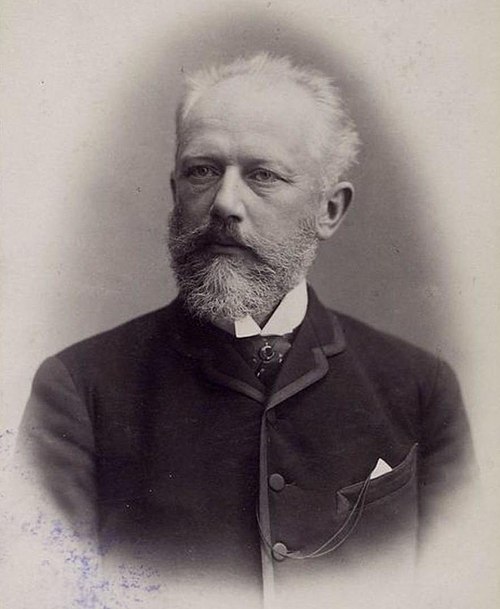
Pyotr Ilyich Tchaikovsky
89Pyotr Ilyich Tchaikovsky was a Russian Romantic composer whose richly emotional music — including the ballets Swan Lake and The Nutcracker and the 1812 Overture — made him one of the most popular and widely performed composers in the world.

Dmitri Mendeleev
88Dmitri Mendeleev was a Russian chemist who created the periodic table of the elements, one of the most important organizing principles in all of science.
Catherine II of Russia
87Catherine the Great was Empress of Russia for more than three decades, an enlightened despot who expanded the empire, modernized its administration, and made her court a brilliant centre of art and learning.
Dmitri Mendeleev
88Dmitri Mendeleev was a Russian chemist who created the periodic table of the elements, one of the most important organizing principles in all of science.
Fyodor Mikhailovich Dostoevsky
91Fyodor Dostoevsky was a Russian novelist whose psychologically penetrating works, including Crime and Punishment and The Brothers Karamazov, probe faith, guilt, and freedom and helped shape modern existential thought.
Lev Nikolayevich Tolstoy
92Leo Tolstoy was a Russian novelist and moral philosopher whose epics War and Peace and Anna Karenina rank among the greatest works of fiction, and whose later doctrine of nonviolence influenced Gandhi and King.
Pyotr Ilyich Tchaikovsky
89Pyotr Ilyich Tchaikovsky was a Russian Romantic composer whose richly emotional music — including the ballets Swan Lake and The Nutcracker and the 1812 Overture — made him one of the most popular and widely performed composers in the world.
Frequently Asked Questions
When did the Russian Empire exist?
The Russian Empire existed from 1721, when Peter the Great proclaimed it, until the revolutions of 1917 that overthrew the Romanov dynasty.