Historical Period · c. 1685–1815
Age of Enlightenment
The Age of Enlightenment was an 18th-century intellectual movement that championed reason, science, liberty and progress, reshaping philosophy, politics and society and inspiring the American and French Revolutions.
Key Takeaways
- The Enlightenment exalted reason, science, liberty and progress.
- It advanced ideas of natural rights, tolerance and the social contract.
- It inspired the American and French Revolutions.
- Thinkers like Voltaire, Kant and Adam Smith defined the age.
- Span
- c. 1685–1815
- Watchword
- Reason
- Inspired
- The American & French Revolutions
Centered in Europe but felt across the Atlantic world, the Enlightenment exalted human reason over tradition and authority, advancing ideas of natural rights, tolerance and scientific progress that toppled old certainties and sparked revolutions.
The Age of Enlightenment was the era in which reason became the measure of all things. Building on the Scientific Revolution of Newton, Enlightenment thinkers turned the tools of rational inquiry on society, religion, government and the human mind.
Across Europe and the Atlantic world, philosophers argued for natural rights, religious tolerance and the social contract. Voltaire championed free thought, Immanuel Kant reframed philosophy itself, and Adam Smith founded modern economics.
These ideas were not merely abstract. They inspired the American Revolution of Washington and Franklin and the French Revolution — toppling old orders and ushering in the modern era.
Key Events
- The spread of Newtonian science
- The publication of the Encyclopédie
- The American Revolution
- The French Revolution
Major Ideas
- Reason and empirical science
- Natural rights and the social contract
- Religious tolerance and free thought
Important Figures of Age of Enlightenment

Voltaire
90Voltaire was a French Enlightenment writer, philosopher and wit, a tireless champion of reason, free speech and religious tolerance and one of the most influential figures of his age.

Immanuel Kant
94Immanuel Kant was a German philosopher of the Enlightenment, one of the most influential thinkers in history, who reconciled rationalism and empiricism and transformed ethics, metaphysics and epistemology.

Adam Smith
90Adam Smith was a Scottish Enlightenment philosopher and economist, the father of modern economics, whose work The Wealth of Nations laid the foundations of free-market thought.

Benjamin Franklin
90Benjamin Franklin was an American polymath — a founding father, scientist, inventor, writer and diplomat — whose work on electricity and statesmanship made him one of the most admired figures of the 18th century.
Adam Smith
90Adam Smith was a Scottish Enlightenment philosopher and economist, the father of modern economics, whose work The Wealth of Nations laid the foundations of free-market thought.
Benjamin Franklin
90Benjamin Franklin was an American polymath — a founding father, scientist, inventor, writer and diplomat — whose work on electricity and statesmanship made him one of the most admired figures of the 18th century.

Catherine II of Russia
87Catherine the Great was Empress of Russia for more than three decades, an enlightened despot who expanded the empire, modernized its administration, and made her court a brilliant centre of art and learning.

David Hume
89David Hume was a Scottish philosopher, historian, and economist of the Enlightenment whose rigorous empiricism and skepticism—especially his analysis of causation and the problem of induction—made him one of the most important philosophers in the English language.

Georg Wilhelm Friedrich Hegel
88Georg Wilhelm Friedrich Hegel was a German philosopher and the leading figure of German idealism, whose dialectical method and grand vision of history as the self-development of Spirit profoundly shaped modern philosophy.
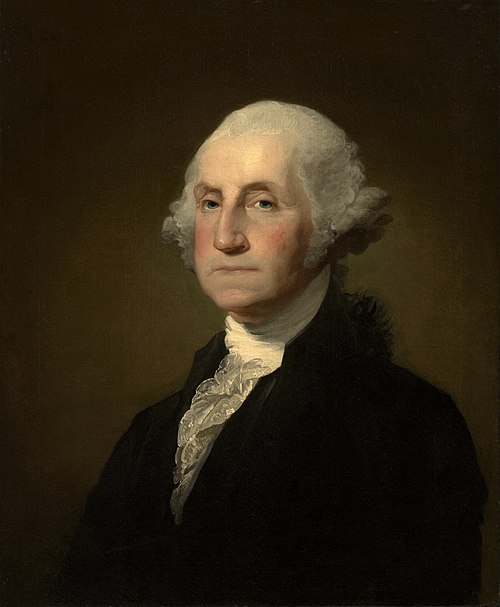
George Washington
91George Washington was the commander of the Continental Army in the American Revolution and the first President of the United States, whose leadership and restraint shaped the new republic.
Immanuel Kant
94Immanuel Kant was a German philosopher of the Enlightenment, one of the most influential thinkers in history, who reconciled rationalism and empiricism and transformed ethics, metaphysics and epistemology.
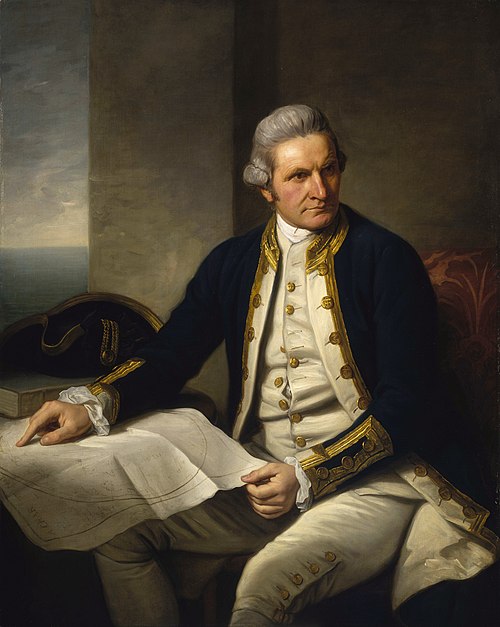
James Cook
84James Cook was a British explorer, navigator and cartographer whose three Pacific voyages charted New Zealand, the eastern coast of Australia and many Pacific islands with unprecedented accuracy.

Jean-Jacques Rousseau
90Jean-Jacques Rousseau was a Genevan-French philosopher, writer, and composer whose ideas on the social contract, the general will, and natural human goodness shaped modern political thought, education, and the Romantic movement.
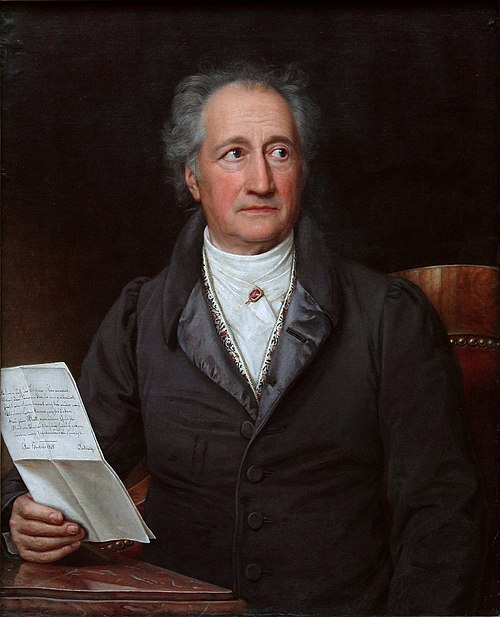
Johann Wolfgang von Goethe
92Johann Wolfgang von Goethe was a German writer, poet, and statesman, widely regarded as the greatest figure in German literature and one of the towering minds of European culture.

John Locke
93John Locke was an English philosopher and physician, widely regarded as the father of liberalism, whose theories of empiricism, natural rights, and government by consent shaped the Enlightenment and the founding of modern democracies.

Leonhard Euler
93Leonhard Euler was a Swiss mathematician and physicist, the most prolific mathematician in history, whose work shaped modern analysis, number theory, graph theory and mathematical notation.

Mary Wollstonecraft
85Mary Wollstonecraft was an English Enlightenment writer and philosopher, a pioneer of feminist thought whose A Vindication of the Rights of Woman argued for the education and equality of women.

René Descartes
92René Descartes was a French philosopher, mathematician and scientist, the "father of modern philosophy", famous for "I think, therefore I am" and for founding analytic geometry.
Voltaire
90Voltaire was a French Enlightenment writer, philosopher and wit, a tireless champion of reason, free speech and religious tolerance and one of the most influential figures of his age.

Wolfgang Amadeus Mozart
96Wolfgang Amadeus Mozart was an Austrian composer of the Classical era, a child prodigy who produced more than 600 works of extraordinary range and beauty and is widely regarded as one of the greatest composers in history.
Frequently Asked Questions
What was the Age of Enlightenment?
It was an 18th-century intellectual movement that championed reason, science, liberty and progress, reshaping philosophy and politics and inspiring the American and French Revolutions.