Historical Event · 1775–1783
American Revolution
The American Revolution (1775–1783) was the war and political upheaval in which Britain's thirteen American colonies won independence and founded the United States on Enlightenment ideals.
Key Takeaways
- The American Revolution won independence for the thirteen colonies from Britain.
- It was led militarily by George Washington and diplomatically by figures like Franklin.
- It founded the United States as a constitutional republic.
- It put Enlightenment ideals of liberty and self-government into practice.
Location: North America
The American Revolution turned Enlightenment ideals into a new nation. Between 1775 and 1783, Britain’s thirteen American colonies fought for and won their independence, founding the United States.
Led on the battlefield by George Washington and represented abroad by diplomats such as Benjamin Franklin, the revolution established the first modern constitutional republic — a government founded on liberty, natural rights and the consent of the governed. Its example would inspire revolutions across the world, not least in France.
Outcome
Independence of the United States from Great Britain.
Significance
Created the first modern constitutional republic founded on Enlightenment principles, inspiring revolutions worldwide.
Key Figures
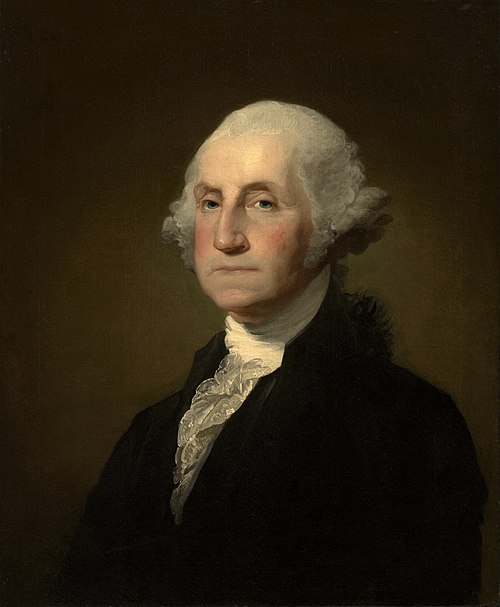
George Washington
91George Washington was the commander of the Continental Army in the American Revolution and the first President of the United States, whose leadership and restraint shaped the new republic.

Benjamin Franklin
90Benjamin Franklin was an American polymath — a founding father, scientist, inventor, writer and diplomat — whose work on electricity and statesmanship made him one of the most admired figures of the 18th century.
Frequently Asked Questions
What was the American Revolution?
It was the 1775–1783 war and political revolution in which Britain's thirteen American colonies won independence and founded the United States on Enlightenment ideals of liberty and self-government.