Economist · 1723 – 1790
Adam Smith
Key Takeaways
- Adam Smith is regarded as the father of modern economics.
- His Wealth of Nations (1776) founded the discipline.
- He explained the division of labor and the "invisible hand" of markets.
- His ideas shaped capitalism and classical economic thought.
Adam Smith was the founder of modern economics and one of the central figures of the Scottish Enlightenment. A moral philosopher by training, he turned his analytic eye on the workings of commerce — and created a new science.
The Wealth of Nations
Published in 1776, The Wealth of Nations asked a deceptively simple question: what makes nations prosperous? Smith’s answers — the productive power of the division of labor, the role of free exchange, and the famous “invisible hand” by which self-interest can serve the common good — laid the foundations of economics.
The moral philosopher
Smith was no apostle of mere greed. In The Theory of Moral Sentiments he explored human sympathy and conscience, and in The Wealth of Nations he warned sharply against monopolies and the schemes of merchants against the public. He valued justice and morality as much as markets.
Legacy
Smith’s ideas launched centuries of debate over capitalism, trade and the proper role of government. As the father of economics, his influence on how the modern world understands wealth and markets is almost without rival.
Influence
Adam Smith's analysis of markets, labor and value founded the discipline of economics and shaped centuries of debate over capitalism, trade and the role of government.
Legacy
As the father of economics, Smith's ideas underpin much of modern economic thought, and 'the invisible hand' remains one of the most famous metaphors in social science.
Major Works
- The Wealth of Nations
- The Theory of Moral Sentiments
Controversies
- His ideas have been selectively invoked to justify policies he did not endorse; he also warned against the excesses of merchants and monopolies.
Notable Quotes
“It is not from the benevolence of the butcher, the brewer, or the baker that we expect our dinner, but from their regard to their own interest.”
Connections
Frequently Asked Questions
Who was Adam Smith?
Adam Smith (1723–1790) was a Scottish Enlightenment philosopher and economist, the father of modern economics, whose Wealth of Nations founded the discipline.
What is the 'invisible hand'?
It is Adam Smith's metaphor for how individuals pursuing their own self-interest can, through markets, unintentionally promote the good of society as a whole.
Biography Books
- The Wealth of Nations — Adam Smith (1776)intermediate
Adam Smith's foundational work of economics.
View on Amazon ↗
Citations & Sources
People Like Adam

Voltaire
90Voltaire was a French Enlightenment writer, philosopher and wit, a tireless champion of reason, free speech and religious tolerance and one of the most influential figures of his age.
Why A fellow Enlightenment thinker; Smith admired the French philosophers and met them on his travels.

Immanuel Kant
94Immanuel Kant was a German philosopher of the Enlightenment, one of the most influential thinkers in history, who reconciled rationalism and empiricism and transformed ethics, metaphysics and epistemology.
Why A philosophical contemporary of the Enlightenment's high tide.

David Hume
89David Hume was a Scottish philosopher, historian, and economist of the Enlightenment whose rigorous empiricism and skepticism—especially his analysis of causation and the problem of induction—made him one of the most important philosophers in the English language.
Why Also a philosopher & economist · Active in the same era
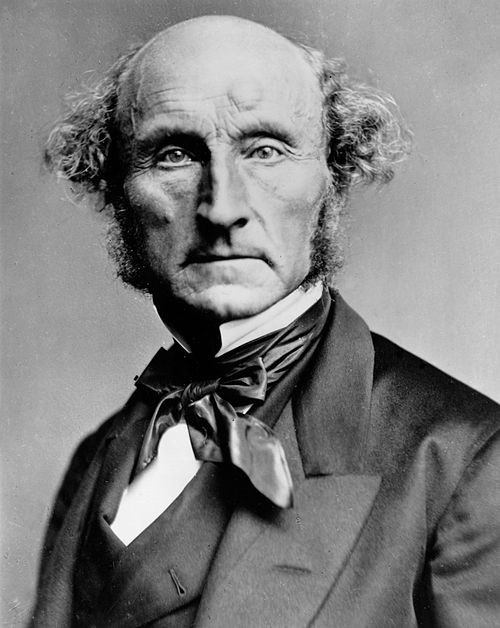
John Stuart Mill
87John Stuart Mill was an English philosopher and economist, the leading liberal thinker of the nineteenth century, whose works on utilitarianism, liberty, and the rights of women shaped modern political and ethical thought.
Why Also a philosopher & economist · Comparable historical impact

Karl Marx
95Karl Marx was a German philosopher, economist, and revolutionary whose theories of historical materialism and class struggle, set out in The Communist Manifesto and Das Kapital, became among the most influential and contested ideas in modern history.
Why Also a philosopher & economist · Comparable historical impact

Jean-Jacques Rousseau
90Jean-Jacques Rousseau was a Genevan-French philosopher, writer, and composer whose ideas on the social contract, the general will, and natural human goodness shaped modern political thought, education, and the Romantic movement.
Why Also a philosopher · Active in the same era