Economists
The thinkers who explained how wealth, markets and societies create and distribute prosperity.
Economists analyze the forces of production, trade and value that shape the wealth of nations. This page gathers history's most influential economists and the ideas that reshaped how societies organize themselves.
Key Takeaways
- Economists explain how wealth is created, traded and distributed.
- Adam Smith founded modern economics with The Wealth of Nations.
- Economic ideas have shaped policy, politics and prosperity worldwide.

Karl Marx
95Karl Marx was a German philosopher, economist, and revolutionary whose theories of historical materialism and class struggle, set out in The Communist Manifesto and Das Kapital, became among the most influential and contested ideas in modern history.

Adam Smith
90Adam Smith was a Scottish Enlightenment philosopher and economist, the father of modern economics, whose work The Wealth of Nations laid the foundations of free-market thought.

David Hume
89David Hume was a Scottish philosopher, historian, and economist of the Enlightenment whose rigorous empiricism and skepticism—especially his analysis of causation and the problem of induction—made him one of the most important philosophers in the English language.
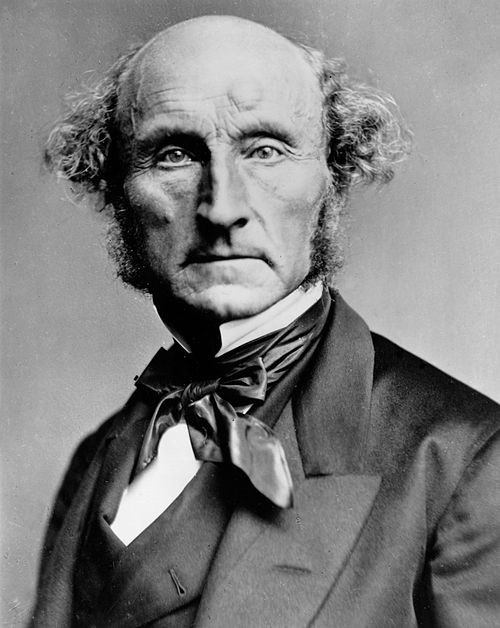
John Stuart Mill
87John Stuart Mill was an English philosopher and economist, the leading liberal thinker of the nineteenth century, whose works on utilitarianism, liberty, and the rights of women shaped modern political and ethical thought.
Frequently Asked Questions
Who founded modern economics?
Adam Smith is widely regarded as the founder of modern economics for his 1776 work The Wealth of Nations.