Philosopher · 1711 – 1776
David Hume
Key Takeaways
- Hume argued all knowledge derives from sensory impressions and ideas.
- He showed that causation cannot be logically proven, only inferred from habit.
- He raised the problem of induction, questioning our basis for predicting the future.
- He distinguished what 'is' from what 'ought' to be in ethics.
David Hume was the most penetrating philosopher of the Scottish Enlightenment and a central figure of the age of enlightenment, who carried empiricism to its rigorous and unsettling conclusions.
Empiricism and skepticism
Building on John Locke, Hume argued that all the contents of the mind derive from sensory impressions and the fainter ideas copied from them. Pressing this principle, he showed that we cannot perceive any necessary connection between causes and effects: causation is a habit of mind, not a logical truth. This insight gave rise to the famous problem of induction.
Ethics and religion
Hume argued that reason is “the slave of the passions” and that moral distinctions arise from sentiment rather than logic. He distinguished what is from what ought to be, and his skeptical Dialogues Concerning Natural Religion questioned arguments for God’s existence — provoking lasting controversy.
Legacy
Hume’s skepticism famously awoke Immanuel Kant from his “dogmatic slumber” and reshaped modern philosophy. A close friend of the economist Adam Smith, Hume remains among the most influential thinkers in the English-speaking world.
Influence
Hume shaped epistemology, philosophy of science, ethics, and economics, and his skepticism directly provoked Kant's critical philosophy.
Legacy
Hume is regarded as one of the greatest philosophers in the English language, whose challenges to causation, induction, and religion remain central to philosophy.
Major Works
- A Treatise of Human Nature
- An Enquiry Concerning Human Understanding
- Dialogues Concerning Natural Religion
- The History of England
Controversies
- His skepticism about religion and miracles led to accusations of atheism and cost him academic appointments during his lifetime.
Notable Quotes
“A wise man proportions his belief to the evidence.”
Connections
Frequently Asked Questions
What is the problem of induction?
Hume observed that we cannot logically justify assuming the future will resemble the past, even though all inductive reasoning depends on this assumption.
What is the is–ought problem?
Hume noted that writers slide from describing what 'is' to prescribing what 'ought' to be, without justifying the leap from fact to value.
Citations & Sources
People Like David

John Locke
93John Locke was an English philosopher and physician, widely regarded as the father of liberalism, whose theories of empiricism, natural rights, and government by consent shaped the Enlightenment and the founding of modern democracies.
Why Hume built on Locke's empiricist foundations.

Immanuel Kant
94Immanuel Kant was a German philosopher of the Enlightenment, one of the most influential thinkers in history, who reconciled rationalism and empiricism and transformed ethics, metaphysics and epistemology.
Why Hume's skepticism prompted Kant's critical philosophy.

Adam Smith
90Adam Smith was a Scottish Enlightenment philosopher and economist, the father of modern economics, whose work The Wealth of Nations laid the foundations of free-market thought.
Why Hume's close friend and fellow leader of the Scottish Enlightenment.

Thomas Hobbes
88Thomas Hobbes was an English philosopher whose masterwork Leviathan founded modern political philosophy, arguing that to escape the violent state of nature people must submit to a powerful sovereign through a social contract.
Why An earlier British thinker whose naturalistic approach to human nature anticipated Hume's.
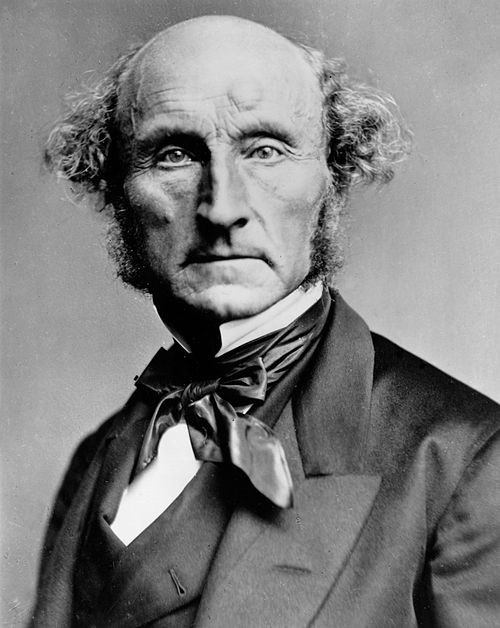
John Stuart Mill
87John Stuart Mill was an English philosopher and economist, the leading liberal thinker of the nineteenth century, whose works on utilitarianism, liberty, and the rights of women shaped modern political and ethical thought.
Why Also a philosopher & economist · Shared school of thought

Karl Marx
95Karl Marx was a German philosopher, economist, and revolutionary whose theories of historical materialism and class struggle, set out in The Communist Manifesto and Das Kapital, became among the most influential and contested ideas in modern history.
Why Also a philosopher & economist · Comparable historical impact