empire · 16th–20th centuries
British Empire
The British Empire was the largest empire in history, spanning a quarter of the globe at its height, whose industrial power, science and culture — and colonial domination — shaped the modern world.
Key Takeaways
- The British Empire was the largest empire in history.
- At its height it covered about a quarter of the world's land and people.
- It spread the Industrial Revolution, English and British institutions globally.
- Its rule also brought conquest, exploitation and resistance, as in Gandhi's India.
- Type
- Global empire
- Peak
- 19th century
- Capital
- London
Built on naval power, trade and industry, the British Empire reached its zenith in the 19th century, spreading the English language, institutions and the Industrial Revolution worldwide while subjugating and exploiting colonized peoples.
The British Empire was the largest empire the world has ever seen, at its height ruling roughly a quarter of the globe’s land and people. Built on naval supremacy, trade and the power of the Industrial Revolution, it spread the English language, British institutions and industrial technology across every continent.
Victorian Britain was a powerhouse of science and reform — the age of Charles Darwin, Florence Nightingale and Ada Lovelace. But the empire’s wealth was bound up with conquest and exploitation, and its rule provoked the resistance that, under leaders like Mahatma Gandhi, would eventually bring it to an end.
Key Achievements
- Became the largest empire in history.
- Spread industry, science, and the English language worldwide.
Notable Figures of British Empire

Charles Darwin
96Charles Darwin was an English naturalist whose theory of evolution by natural selection became the unifying foundation of modern biology and transformed humanity's understanding of life.

Florence Nightingale
86Florence Nightingale was an English social reformer and statistician, the founder of modern nursing, whose work in the Crimean War and pioneering use of data transformed hospital care and public health.

Ada Lovelace
84Ada Lovelace was an English mathematician widely regarded as the first computer programmer, who saw that Charles Babbage's Analytical Engine could go beyond calculation to manipulate symbols of any kind.
Ada Lovelace
84Ada Lovelace was an English mathematician widely regarded as the first computer programmer, who saw that Charles Babbage's Analytical Engine could go beyond calculation to manipulate symbols of any kind.

Alan Turing
91Alan Turing was an English mathematician and computer scientist who founded theoretical computer science, helped break the German Enigma cipher in World War II, and pioneered the study of artificial intelligence.
Charles Darwin
96Charles Darwin was an English naturalist whose theory of evolution by natural selection became the unifying foundation of modern biology and transformed humanity's understanding of life.

David Hume
89David Hume was a Scottish philosopher, historian, and economist of the Enlightenment whose rigorous empiricism and skepticism—especially his analysis of causation and the problem of induction—made him one of the most important philosophers in the English language.
Florence Nightingale
86Florence Nightingale was an English social reformer and statistician, the founder of modern nursing, whose work in the Crimean War and pioneering use of data transformed hospital care and public health.

James Clerk Maxwell
92James Clerk Maxwell was a Scottish physicist whose equations unified electricity, magnetism and light into a single electromagnetic theory, one of the greatest achievements in the history of physics.
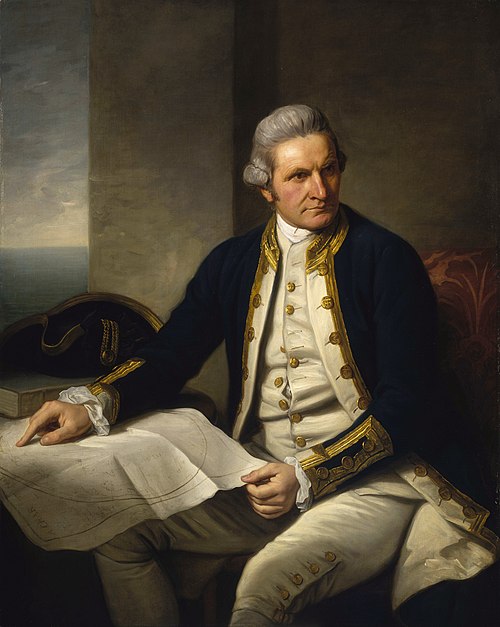
James Cook
84James Cook was a British explorer, navigator and cartographer whose three Pacific voyages charted New Zealand, the eastern coast of Australia and many Pacific islands with unprecedented accuracy.
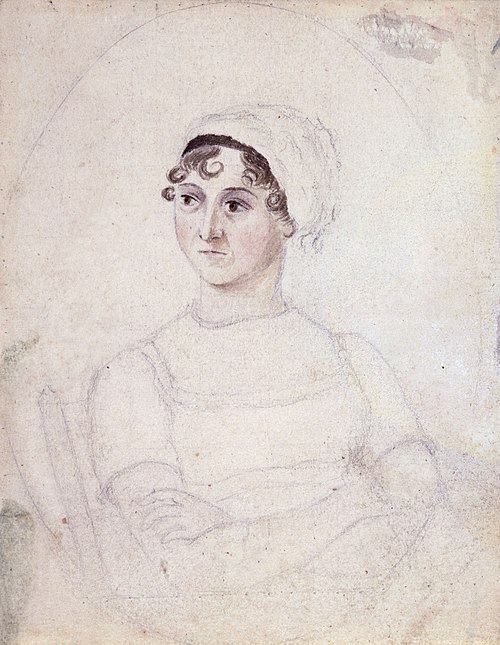
Jane Austen
88Jane Austen was an English novelist whose witty, incisive novels of manners, including Pride and Prejudice and Emma, are masterpieces of English literature and remain enduringly popular.
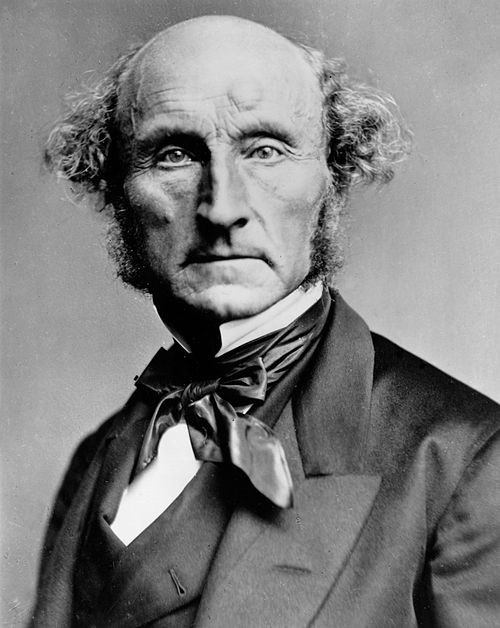
John Stuart Mill
87John Stuart Mill was an English philosopher and economist, the leading liberal thinker of the nineteenth century, whose works on utilitarianism, liberty, and the rights of women shaped modern political and ethical thought.

Mahatma Gandhi
93Mahatma Gandhi was the leader of India's independence movement, who pioneered the philosophy and practice of nonviolent civil disobedience and inspired movements for civil rights across the world.

Michael Faraday
93Michael Faraday was an English scientist whose discoveries in electromagnetism and electrochemistry, above all electromagnetic induction, laid the experimental foundation of the electrical age.
Frequently Asked Questions
How large was the British Empire?
At its height in the early 20th century, the British Empire covered roughly a quarter of the world's land area and population, the largest empire in history.