Historical Period · c. 1760–1900
Industrial Revolution
The Industrial Revolution was the transformation from agrarian, handcraft economies to industry and machine manufacturing that began in 18th-century Britain and reshaped the modern world.
Key Takeaways
- The Industrial Revolution shifted economies from handcraft to machine manufacturing.
- It began in Britain, powered by steam, coal and iron.
- It transformed cities, work, science and daily life.
- It produced both immense new wealth and severe social problems.
- Span
- c. 1760–1900
- Began in
- Britain
- Power
- Steam, coal, iron
Powered by steam, coal, iron and new machines, the Industrial Revolution transformed work, cities, science and society, lifting productivity and population while creating new wealth, inequality and upheaval.
The Industrial Revolution remade the world more profoundly, perhaps, than any change since the dawn of agriculture. Beginning in 18th-century Britain and powered by steam, coal and iron, it shifted economies from handcraft and farming to factories and machines.
The transformation rippled into every corner of life: cities swelled, railways shrank distances, and new wealth — alongside new inequality and hardship — reshaped society. It was also an age of scientific revolution, when Charles Darwin transformed biology, Ada Lovelace imagined computing, and reformers like Florence Nightingale modernized medicine — carrying humanity into the modern era.
Key Events
- The spread of the steam engine
- The rise of factories and railways
- The growth of industrial cities
- Darwin's theory of evolution
Major Ideas
- Mechanized mass production
- Evolution and modern science
Major Inventions
- The steam engine and railways
- Mechanized textile manufacturing
Important Figures of Industrial Revolution

Charles Darwin
96Charles Darwin was an English naturalist whose theory of evolution by natural selection became the unifying foundation of modern biology and transformed humanity's understanding of life.

Ada Lovelace
84Ada Lovelace was an English mathematician widely regarded as the first computer programmer, who saw that Charles Babbage's Analytical Engine could go beyond calculation to manipulate symbols of any kind.

Florence Nightingale
86Florence Nightingale was an English social reformer and statistician, the founder of modern nursing, whose work in the Crimean War and pioneering use of data transformed hospital care and public health.
Ada Lovelace
84Ada Lovelace was an English mathematician widely regarded as the first computer programmer, who saw that Charles Babbage's Analytical Engine could go beyond calculation to manipulate symbols of any kind.
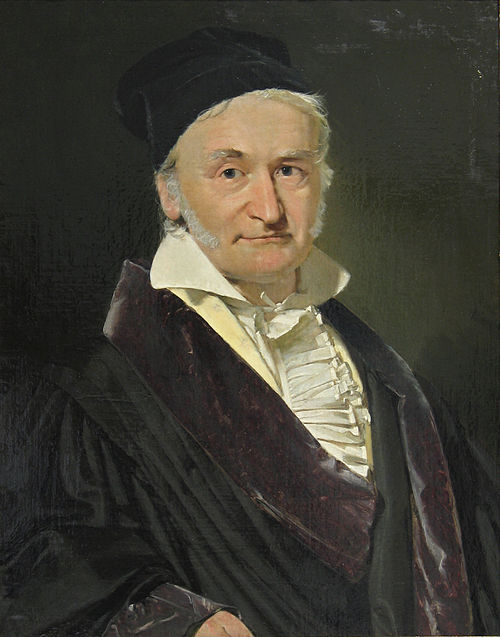
Carl Friedrich Gauss
95Carl Friedrich Gauss was a German mathematician and physicist whose profound contributions to number theory, statistics, geometry, astronomy and magnetism earned him the title "Prince of Mathematicians."
Charles Darwin
96Charles Darwin was an English naturalist whose theory of evolution by natural selection became the unifying foundation of modern biology and transformed humanity's understanding of life.

Dmitri Mendeleev
88Dmitri Mendeleev was a Russian chemist who created the periodic table of the elements, one of the most important organizing principles in all of science.
Florence Nightingale
86Florence Nightingale was an English social reformer and statistician, the founder of modern nursing, whose work in the Crimean War and pioneering use of data transformed hospital care and public health.

Gregor Mendel
84Gregor Mendel was an Austrian friar and scientist whose experiments on pea plants revealed the basic laws of heredity, earning him recognition as the father of modern genetics.

James Clerk Maxwell
92James Clerk Maxwell was a Scottish physicist whose equations unified electricity, magnetism and light into a single electromagnetic theory, one of the greatest achievements in the history of physics.
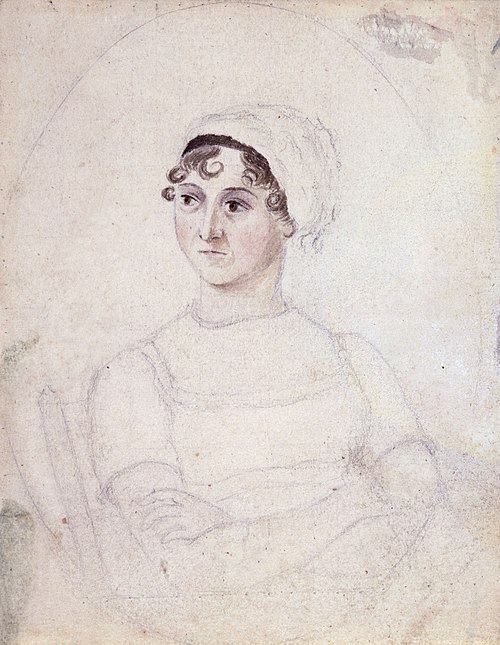
Jane Austen
88Jane Austen was an English novelist whose witty, incisive novels of manners, including Pride and Prejudice and Emma, are masterpieces of English literature and remain enduringly popular.
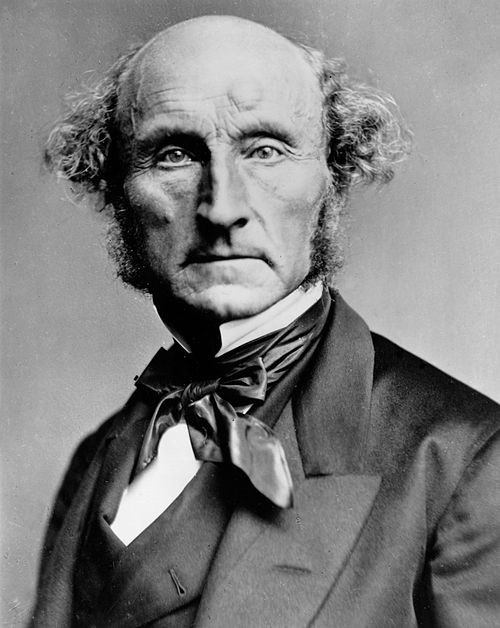
John Stuart Mill
87John Stuart Mill was an English philosopher and economist, the leading liberal thinker of the nineteenth century, whose works on utilitarianism, liberty, and the rights of women shaped modern political and ethical thought.

Karl Marx
95Karl Marx was a German philosopher, economist, and revolutionary whose theories of historical materialism and class struggle, set out in The Communist Manifesto and Das Kapital, became among the most influential and contested ideas in modern history.

Louis Pasteur
90Louis Pasteur was a French chemist and microbiologist whose work on germ theory, vaccination, and pasteurization revolutionized medicine and saved countless lives.

Michael Faraday
93Michael Faraday was an English scientist whose discoveries in electromagnetism and electrochemistry, above all electromagnetic induction, laid the experimental foundation of the electrical age.

Nikola Tesla
90Nikola Tesla was a Serbian-American inventor and electrical engineer whose pioneering work on alternating current and electromagnetism helped electrify the modern world.
Frequently Asked Questions
What was the Industrial Revolution?
It was the transformation, beginning around 1760 in Britain, from agrarian and handcraft economies to industry and machine manufacturing, reshaping society, science and daily life.