School of Thought
Empiricism
Empiricism is the philosophical view that knowledge comes primarily from sense experience, a tradition central to the scientific method and to Enlightenment thought.
Holding that the mind begins as a blank slate filled by experience, empiricism grounded knowledge in observation and evidence, providing the philosophical underpinning of modern science.
Empiricism holds that knowledge flows, above all, from experience. Where the rationalists trusted reason and innate ideas, the empiricists insisted that the mind begins as a blank slate, written upon by what we observe through the senses.
This emphasis on observation and evidence gave the philosophical foundation to modern science. The clash and eventual synthesis of empiricism with rationalism became one of the central dramas of Enlightenment philosophy, addressed most famously by Immanuel Kant.
Core Ideas
- Knowledge derives from sense experience
- The mind as a 'blank slate'
- Observation and evidence over pure reason
- The foundation of the scientific method
Key Figures of Empiricism

Immanuel Kant
94Immanuel Kant was a German philosopher of the Enlightenment, one of the most influential thinkers in history, who reconciled rationalism and empiricism and transformed ethics, metaphysics and epistemology.

David Hume
89David Hume was a Scottish philosopher, historian, and economist of the Enlightenment whose rigorous empiricism and skepticism—especially his analysis of causation and the problem of induction—made him one of the most important philosophers in the English language.
Immanuel Kant
94Immanuel Kant was a German philosopher of the Enlightenment, one of the most influential thinkers in history, who reconciled rationalism and empiricism and transformed ethics, metaphysics and epistemology.

John Locke
93John Locke was an English philosopher and physician, widely regarded as the father of liberalism, whose theories of empiricism, natural rights, and government by consent shaped the Enlightenment and the founding of modern democracies.
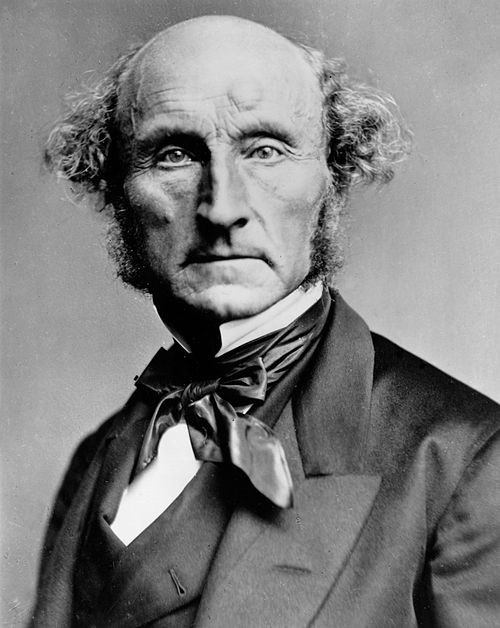
John Stuart Mill
87John Stuart Mill was an English philosopher and economist, the leading liberal thinker of the nineteenth century, whose works on utilitarianism, liberty, and the rights of women shaped modern political and ethical thought.
Frequently Asked Questions
What is Empiricism?
Empiricism is the view that knowledge comes primarily from sense experience and observation rather than pure reason, providing the philosophical basis of modern science.