Empress · 1729 – 1796
Catherine II of Russia
Key Takeaways
- Catherine ruled Russia as empress for 34 years, one of its longest reigns.
- She expanded the empire through wars with the Ottomans and the partitions of Poland.
- She embraced Enlightenment ideas and corresponded with leading philosophers.
- She made her court a great centre of art, building the Hermitage collection.
Catherine the Great ruled Russia for more than three decades and led it to new heights of power and prestige. Born a minor German princess, she remade herself as a Russian sovereign and governed as an enlightened despot, blending ambition with the ideas of her age.
From German princess to empress
Born Sophie of Anhalt-Zerbst, Catherine came to Russia to marry the heir to the throne, learning the language and embracing Orthodoxy. In 1762 a palace coup deposed her husband, Peter III, and she became empress in her own right, beginning one of the longest and most consequential reigns of the Russian Empire.
An enlightened reign
Catherine corresponded with philosophers such as Voltaire and styled herself a ruler of the Age of Enlightenment. She reformed provincial administration, promoted education and the arts, and built the great art collection that became the Hermitage. Yet her ideals coexisted with the harsh reality of serfdom, which expanded under her rule.
Expansion and legacy
Through wars with the Ottomans and the partitions of Poland, Catherine vastly enlarged Russia’s territory and secured access to the Black Sea. She left Russia a major European power, remembered alongside rulers such as Elizabeth I as one of history’s most formidable queens.
Influence
Catherine raised Russia to the front rank of European powers and infused its elite culture with Enlightenment ideas, shaping the empire's politics and arts for generations.
Legacy
Catherine the Great is remembered as one of Russia's most powerful and consequential rulers, who expanded the empire and made it a major force in European civilization.
Controversies
- She came to power through a coup that deposed her husband, Peter III, who died soon after in custody.
- Despite her Enlightenment ideals, serfdom expanded and harshened under her rule, provoking Pugachev's rebellion.
Notable Quotes
“I shall be an autocrat: that's my trade. And the good Lord will forgive me: that's his.”
Connections
Frequently Asked Questions
Who was Catherine the Great?
Catherine II (1729–1796) was Empress of Russia for 34 years, an enlightened despot who expanded the empire and made its court a centre of art and learning.
Why is Catherine called 'the Great'?
She earned the title for her long reign, her expansion of Russian territory and power, and her ambitious reforms and patronage of culture.
Citations & Sources
People Like Catherine

Voltaire
90Voltaire was a French Enlightenment writer, philosopher and wit, a tireless champion of reason, free speech and religious tolerance and one of the most influential figures of his age.
Why The Enlightenment philosopher with whom Catherine corresponded and whose ideas she admired.
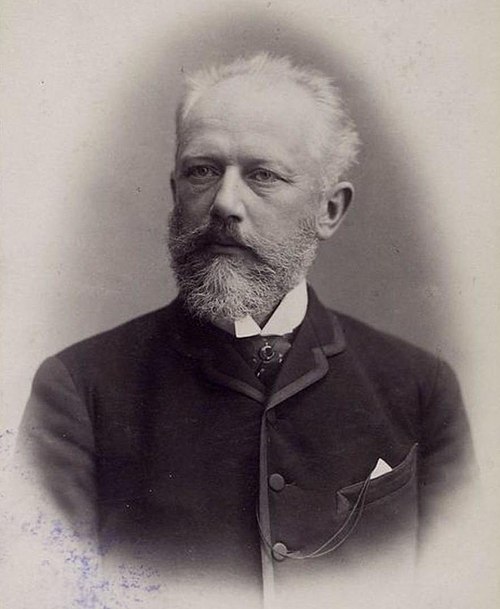
Pyotr Ilyich Tchaikovsky
89Pyotr Ilyich Tchaikovsky was a Russian Romantic composer whose richly emotional music — including the ballets Swan Lake and The Nutcracker and the 1812 Overture — made him one of the most popular and widely performed composers in the world.
Why A later Russian artist who flourished in the cultural world Catherine's patronage helped build.

Elizabeth I
89Elizabeth I was Queen of England from 1558 to 1603, whose long and stable reign — the Elizabethan era — saw a golden age of culture, the defeat of the Spanish Armada, and England's rise as a sea power.
Why An earlier powerful queen whose long, influential reign offers a striking parallel to Catherine's.

Napoleon Bonaparte
94Napoleon Bonaparte was a French military and political leader who rose during the French Revolution, crowned himself Emperor, and dominated European affairs for over a decade.
Why The later conqueror who would confront the expanded and powerful Russia that Catherine had built.
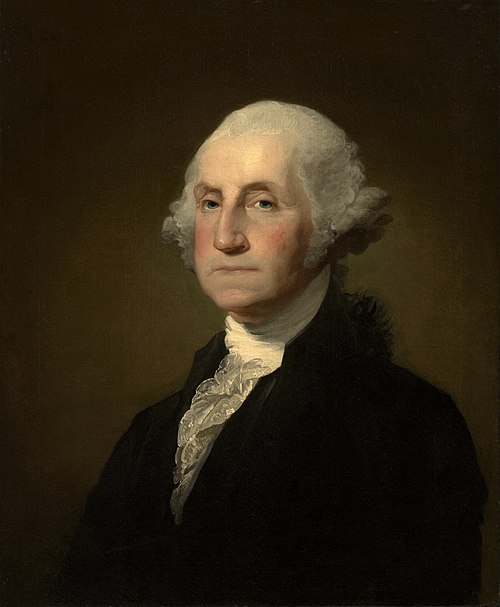
George Washington
91George Washington was the commander of the Continental Army in the American Revolution and the first President of the United States, whose leadership and restraint shaped the new republic.
Why Also a statesman & ruler · Active in the same era
Suleiman I
90Suleiman the Magnificent was the longest-reigning sultan of the Ottoman Empire, who led it to the height of its power through military conquest, legal reform and a brilliant flowering of art and architecture.
Why Also a ruler & statesman · Comparable historical impact