Novelist · 1821 – 1881
Fyodor Mikhailovich Dostoevsky
Key Takeaways
- Dostoevsky wrote Crime and Punishment and The Brothers Karamazov among other major novels.
- His fiction explores guilt, faith, free will, and the depths of the human psyche.
- His work profoundly influenced existentialist and psychological thought.
- His own life of imprisonment and hardship shaped his moral vision.
Fyodor Dostoevsky plumbed the depths of the human soul as few writers ever have. His novels, charged with moral urgency and psychological intensity, confront the hardest questions of guilt, freedom, and faith.
A life of trial
Arrested in 1849 for involvement with a circle of radical intellectuals, Dostoevsky was subjected to a terrifying mock execution before being sent to a Siberian prison camp. The years of suffering deepened his religious convictions and gave his later fiction its extraordinary moral weight.
The great novels
In Crime and Punishment he traced the torments of a young murderer’s conscience, and in The Brothers Karamazov he wove a vast drama of family, faith, and doubt that includes the famous parable of the Grand Inquisitor. His characters argue and suffer their way toward the most profound questions of existence.
Legacy
Dostoevsky’s work helped found the modern tradition of psychological and existential fiction. He was admired by Friedrich Nietzsche and stood beside his contemporary Leo Tolstoy as one of the two giants of the Russian novel, an influence that endures across literature and philosophy alike.
Influence
Dostoevsky's exploration of the unconscious, of moral freedom and of religious doubt influenced psychology, theology, and the existentialist philosophy of Nietzsche, Sartre, and Camus.
Legacy
Dostoevsky is regarded as one of the supreme novelists of all time, whose searching portraits of the human soul remain deeply influential.
Life Timeline
- 1821Birth
Born in Moscow, the son of a former army doctor.
- 1849Arrest and reprieve
Sentenced to death for political activity, then reprieved at the last moment and exiled to Siberia.
- 1866Crime and Punishment
Publishes his novel of murder, guilt, and redemption.
- 1880The Brothers Karamazov
Completes his final and most ambitious novel.
- 1881Death
Dies in Saint Petersburg.
Major Works
- Crime and Punishment
- The Brothers Karamazov
- The Idiot
- Notes from Underground
Controversies
- His youthful involvement with a radical circle led to a mock execution and years of Siberian imprisonment.
Notable Quotes
“The mystery of human existence lies not in just staying alive, but in finding something to live for.”
Connections
Frequently Asked Questions
Who was Fyodor Dostoevsky?
Dostoevsky (1821–1881) was a Russian novelist whose works, including Crime and Punishment and The Brothers Karamazov, are masterpieces of psychological fiction.
Why is Dostoevsky important?
His penetrating studies of guilt, faith, and free will shaped modern literature and influenced existentialist philosophy and psychology.
Citations & Sources
People Like Fyodor

Lev Nikolayevich Tolstoy
92Leo Tolstoy was a Russian novelist and moral philosopher whose epics War and Peace and Anna Karenina rank among the greatest works of fiction, and whose later doctrine of nonviolence influenced Gandhi and King.
Why His great contemporary, the other titan of the nineteenth-century Russian novel.

Friedrich Nietzsche
92Friedrich Nietzsche was a German philosopher whose radical critiques of morality, religion, and truth—including the proclamation that "God is dead" and the ideal of the Übermensch—made him one of the most influential and provocative thinkers of the modern era.
Why The philosopher who admired Dostoevsky and shared his concern with morality, suffering, and the human will.
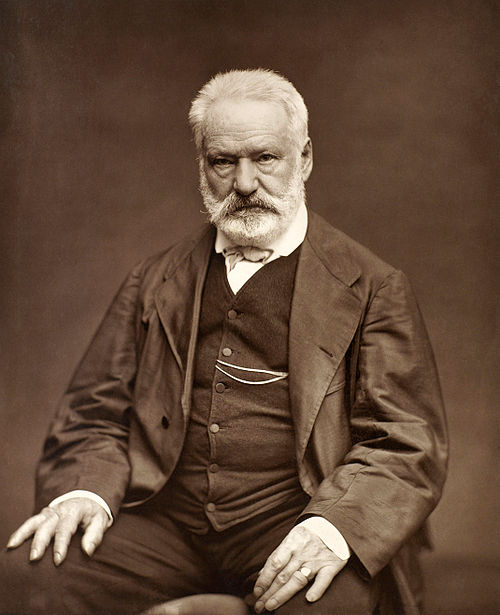
Victor Marie Hugo
89Victor Hugo was a French novelist, poet, and dramatist, the towering figure of French Romanticism, whose novels Les Misérables and The Hunchback of Notre-Dame are monuments of world literature.
Why A novelist Dostoevsky deeply admired and whose social compassion influenced his own work.

René Descartes
92René Descartes was a French philosopher, mathematician and scientist, the "father of modern philosophy", famous for "I think, therefore I am" and for founding analytic geometry.
Why An earlier thinker on mind and self whose rationalism Dostoevsky's fiction implicitly challenged.
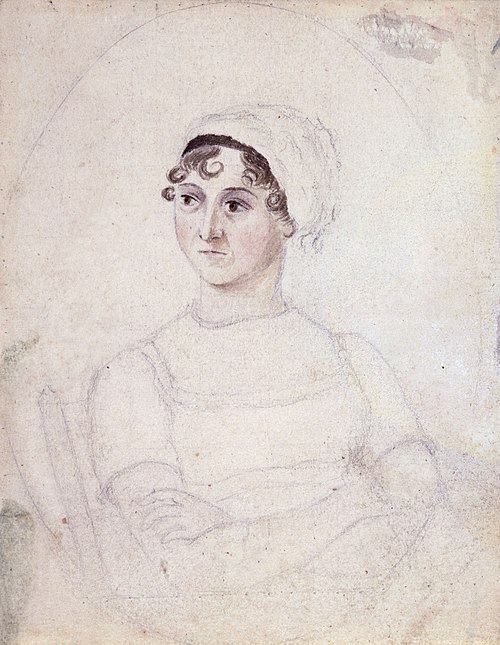
Jane Austen
88Jane Austen was an English novelist whose witty, incisive novels of manners, including Pride and Prejudice and Emma, are masterpieces of English literature and remain enduringly popular.
Why Also a novelist & writer · Comparable historical impact

Miguel de Cervantes
91Miguel de Cervantes was a Spanish writer whose novel Don Quixote is widely regarded as the first modern novel and one of the greatest works in world literature.
Why Also a novelist & writer · Comparable historical impact