Novelist · 1802 – 1885
Victor Marie Hugo
Key Takeaways
- Hugo was the leading figure of French Romantic literature.
- He wrote the celebrated novels Les Misérables and Notre-Dame de Paris.
- He was also a major poet and dramatist.
- He became a champion of social justice, the poor, and republican government.
Victor Hugo was the towering figure of nineteenth-century French literature, a writer of immense range whose novels, poems, and plays made him a national institution. He gave Romanticism its grandest French voice and lent his fame to the causes of justice and the poor.
The great novels
In Notre-Dame de Paris Hugo brought medieval Paris vividly to life around the figures of Quasimodo and Esmeralda. Three decades later, Les Misérables followed the ex-convict Jean Valjean across the turbulent landscape of post-revolutionary France, weaving a vast story of poverty, conscience, and redemption that remains one of the most widely read novels ever written.
Poet, dramatist, exile
Hugo was also a leading poet and a revolutionary dramatist whose play Hernani announced the triumph of Romanticism on the French stage. His opposition to Napoleon III’s regime drove him into nearly twenty years of exile, during which he produced some of his finest work.
Legacy
Admired across Europe by writers such as Leo Tolstoy and Fyodor Dostoevsky, Hugo became a symbol of the modern artist as public conscience. His state funeral drew vast crowds, and he was laid to rest in the Panthéon among France’s greatest figures.
Influence
Hugo defined French Romanticism and used the novel as an instrument of social conscience, influencing literature, drama, and reform movements, while his works inspired enduring adaptations on stage and screen.
Legacy
Hugo is honored as one of France's greatest writers; his state funeral was a national event and he was interred in the Panthéon.
Life Timeline
- 1802Birth
Born at Besançon, the son of a Napoleonic general.
- 1831Notre-Dame de Paris
Publishes The Hunchback of Notre-Dame, set in medieval Paris.
- 1851Exile
Goes into exile after opposing Napoleon III's coup, settling in the Channel Islands.
- 1862Les Misérables
Publishes his epic novel of justice, redemption, and the poor.
- 1885Death
Dies in Paris; his state funeral draws enormous crowds.
Major Works
- Les Misérables
- The Hunchback of Notre-Dame (Notre-Dame de Paris)
- Les Contemplations
- Hernani
Controversies
- His outspoken opposition to Napoleon III forced him into nearly two decades of political exile.
Notable Quotes
“To love another person is to see the face of God.”
Connections
Frequently Asked Questions
Who was Victor Hugo?
Victor Hugo (1802–1885) was a French Romantic writer, author of Les Misérables and The Hunchback of Notre-Dame, and a major poet and political figure.
Why is Victor Hugo important?
He led French Romanticism and wrote enduring novels of social justice that remain among the most adapted works in world literature.
Citations & Sources
People Like Victor

Lev Nikolayevich Tolstoy
92Leo Tolstoy was a Russian novelist and moral philosopher whose epics War and Peace and Anna Karenina rank among the greatest works of fiction, and whose later doctrine of nonviolence influenced Gandhi and King.
Why A contemporary novelist of vast moral scope who admired Hugo's social compassion.

Fyodor Mikhailovich Dostoevsky
91Fyodor Dostoevsky was a Russian novelist whose psychologically penetrating works, including Crime and Punishment and The Brothers Karamazov, probe faith, guilt, and freedom and helped shape modern existential thought.
Why A Russian novelist who deeply admired Hugo and his portrayal of the suffering poor.

Napoleon Bonaparte
94Napoleon Bonaparte was a French military and political leader who rose during the French Revolution, crowned himself Emperor, and dominated European affairs for over a decade.
Why The emperor whose legacy and the later Second Empire shaped Hugo's politics and his years of exile.
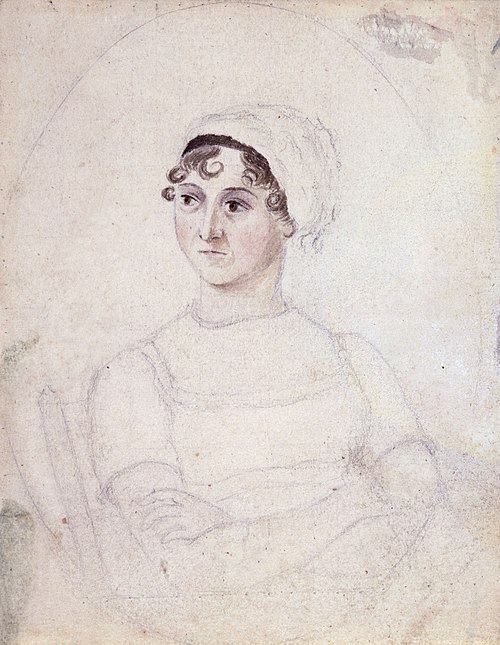
Jane Austen
88Jane Austen was an English novelist whose witty, incisive novels of manners, including Pride and Prejudice and Emma, are masterpieces of English literature and remain enduringly popular.
Why An earlier novelist of the age whose work, like Hugo's, helped define a national literature.
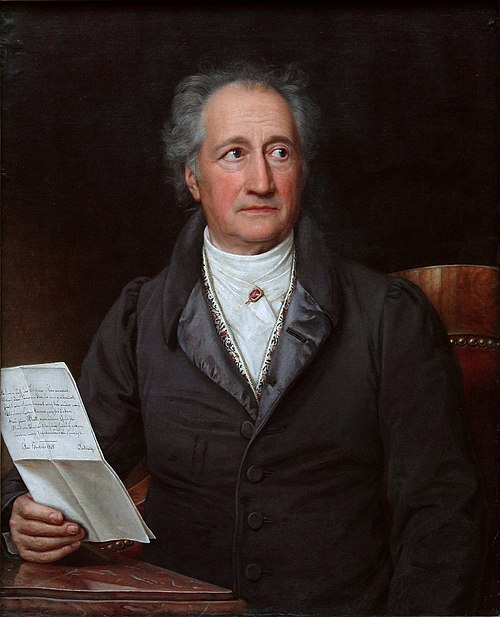
Johann Wolfgang von Goethe
92Johann Wolfgang von Goethe was a German writer, poet, and statesman, widely regarded as the greatest figure in German literature and one of the towering minds of European culture.
Why Also a writer & poet · Comparable historical impact

Miguel de Cervantes
91Miguel de Cervantes was a Spanish writer whose novel Don Quixote is widely regarded as the first modern novel and one of the greatest works in world literature.
Why Also a novelist & writer · Comparable historical impact