kingdom · 987–1792
Kingdom of France
The Kingdom of France was for centuries one of the great powers of Europe, a center of culture, philosophy and royal absolutism whose crisis gave birth to the French Revolution.
Key Takeaways
- France was one of the dominant powers of medieval and early-modern Europe.
- Joan of Arc helped turn the tide of the Hundred Years' War for the French crown.
- Its salons nurtured Enlightenment thinkers like Voltaire and Descartes.
- The monarchy fell in the French Revolution of 1789.
- Type
- Kingdom
- Capital
- Paris
- Ended by
- The French Revolution (1792)
From the medieval monarchy that Joan of Arc helped save to the brilliant court culture and Enlightenment salons of the 17th and 18th centuries, France shaped European art, thought and politics — until revolution swept the old order away.
The Kingdom of France was, for much of its history, the leading power of continental Europe — a center of royal splendor, military might and cultural brilliance.
In the Middle Ages, the young Joan of Arc helped rescue the French crown during the Hundred Years’ War. Centuries later, the salons of Paris became the heart of the Enlightenment, nurturing thinkers like Voltaire and René Descartes. The kingdom’s eventual crisis would erupt in the French Revolution, sweeping away a thousand years of monarchy.
Key Achievements
- Built one of Europe's most powerful and cultured monarchies.
- Nurtured the philosophy and literature of the Enlightenment.
Notable Figures of Kingdom of France

Joan of Arc
85Joan of Arc was a peasant girl who, believing herself guided by divine visions, led French forces to crucial victories in the Hundred Years' War before being captured, tried and burned at the stake — and later made a saint.

Voltaire
90Voltaire was a French Enlightenment writer, philosopher and wit, a tireless champion of reason, free speech and religious tolerance and one of the most influential figures of his age.

René Descartes
92René Descartes was a French philosopher, mathematician and scientist, the "father of modern philosophy", famous for "I think, therefore I am" and for founding analytic geometry.

Jean-Jacques Rousseau
90Jean-Jacques Rousseau was a Genevan-French philosopher, writer, and composer whose ideas on the social contract, the general will, and natural human goodness shaped modern political thought, education, and the Romantic movement.
Joan of Arc
85Joan of Arc was a peasant girl who, believing herself guided by divine visions, led French forces to crucial victories in the Hundred Years' War before being captured, tried and burned at the stake — and later made a saint.
René Descartes
92René Descartes was a French philosopher, mathematician and scientist, the "father of modern philosophy", famous for "I think, therefore I am" and for founding analytic geometry.
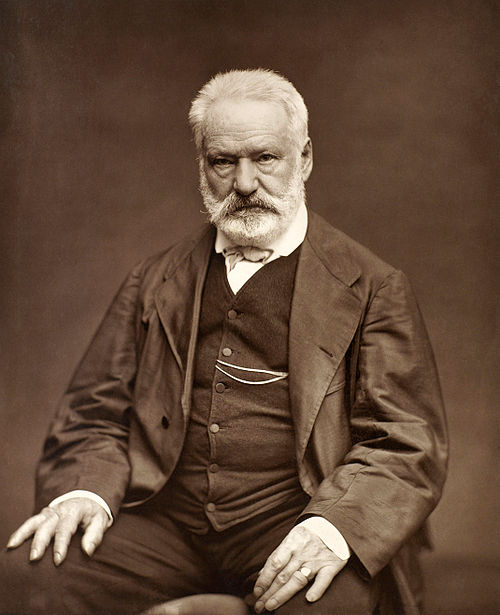
Victor Marie Hugo
89Victor Hugo was a French novelist, poet, and dramatist, the towering figure of French Romanticism, whose novels Les Misérables and The Hunchback of Notre-Dame are monuments of world literature.
Voltaire
90Voltaire was a French Enlightenment writer, philosopher and wit, a tireless champion of reason, free speech and religious tolerance and one of the most influential figures of his age.
Frequently Asked Questions
What was the Kingdom of France known for?
It was a leading European power and cultural center, home to figures from Joan of Arc to the Enlightenment philosophers, whose monarchy fell in the French Revolution.