Writers & Poets
The authors, poets and playwrights whose words shaped languages, imaginations and the course of ideas.
From the playwrights of the Renaissance to the philosophers and novelists of the modern age, writers have given form to human experience and driven the spread of ideas. This page gathers history's most influential writers.
Key Takeaways
- Writers shaped languages, ideas and the collective imagination.
- Shakespeare transformed English drama and poetry.
- Through print, writers' ideas spread to mass audiences for the first time.
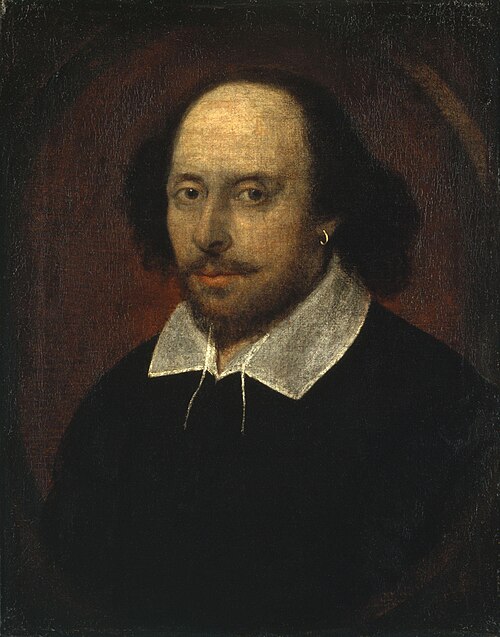
William Shakespeare
96William Shakespeare was an English playwright and poet widely regarded as the greatest writer in the English language and the world's preeminent dramatist.

Homer
95Homer was the legendary ancient Greek poet to whom the great epics the Iliad and the Odyssey are attributed, foundational works of Western literature.

Karl Marx
95Karl Marx was a German philosopher, economist, and revolutionary whose theories of historical materialism and class struggle, set out in The Communist Manifesto and Das Kapital, became among the most influential and contested ideas in modern history.

Dante Alighieri
93Dante Alighieri was an Italian poet of the late Middle Ages whose masterpiece, the Divine Comedy, is considered one of the greatest works of world literature and helped establish the Italian language.

Augustine of Hippo
92Augustine of Hippo was a Roman North African theologian and philosopher whose works, including Confessions and City of God, shaped Western Christianity and laid intellectual foundations for medieval and modern thought.

Friedrich Nietzsche
92Friedrich Nietzsche was a German philosopher whose radical critiques of morality, religion, and truth—including the proclamation that "God is dead" and the ideal of the Übermensch—made him one of the most influential and provocative thinkers of the modern era.
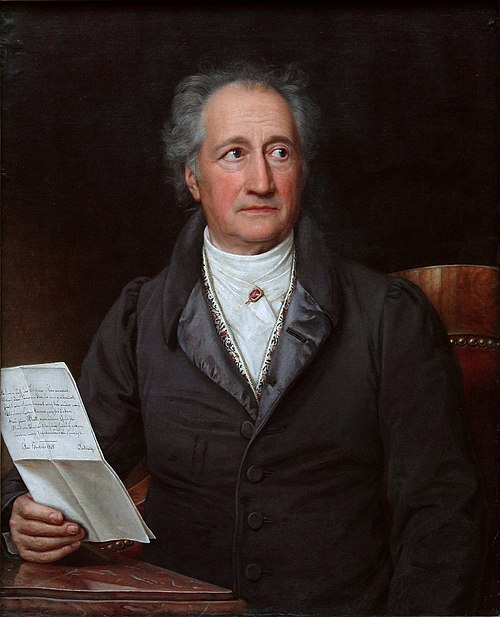
Johann Wolfgang von Goethe
92Johann Wolfgang von Goethe was a German writer, poet, and statesman, widely regarded as the greatest figure in German literature and one of the towering minds of European culture.

Lev Nikolayevich Tolstoy
92Leo Tolstoy was a Russian novelist and moral philosopher whose epics War and Peace and Anna Karenina rank among the greatest works of fiction, and whose later doctrine of nonviolence influenced Gandhi and King.

Fyodor Mikhailovich Dostoevsky
91Fyodor Dostoevsky was a Russian novelist whose psychologically penetrating works, including Crime and Punishment and The Brothers Karamazov, probe faith, guilt, and freedom and helped shape modern existential thought.
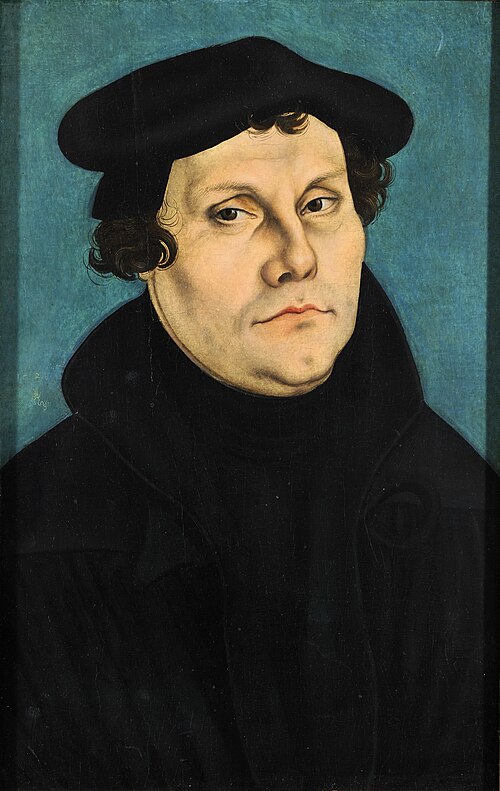
Martin Luther
91Martin Luther was a German theologian and reformer whose challenge to the Catholic Church sparked the Protestant Reformation and reshaped the religious, political and cultural landscape of Europe.

Miguel de Cervantes
91Miguel de Cervantes was a Spanish writer whose novel Don Quixote is widely regarded as the first modern novel and one of the greatest works in world literature.

Benjamin Franklin
90Benjamin Franklin was an American polymath — a founding father, scientist, inventor, writer and diplomat — whose work on electricity and statesmanship made him one of the most admired figures of the 18th century.

Jean-Jacques Rousseau
90Jean-Jacques Rousseau was a Genevan-French philosopher, writer, and composer whose ideas on the social contract, the general will, and natural human goodness shaped modern political thought, education, and the Romantic movement.
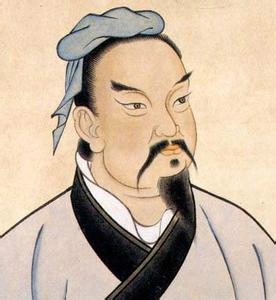
Sun Tzu
90Sun Tzu was an ancient Chinese general and strategist, traditionally the author of The Art of War, the most influential treatise on strategy ever written.

Voltaire
90Voltaire was a French Enlightenment writer, philosopher and wit, a tireless champion of reason, free speech and religious tolerance and one of the most influential figures of his age.
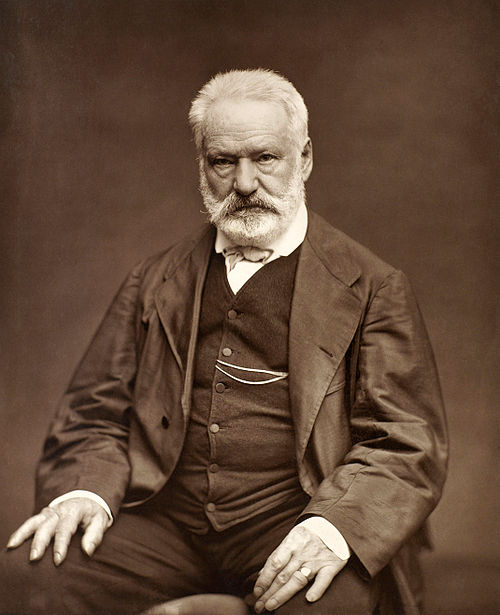
Victor Marie Hugo
89Victor Hugo was a French novelist, poet, and dramatist, the towering figure of French Romanticism, whose novels Les Misérables and The Hunchback of Notre-Dame are monuments of world literature.

Cicero
88Cicero was a Roman statesman, orator and philosopher whose speeches and writings defined Latin prose, transmitted Greek philosophy to Rome, and championed the values of the Roman Republic.

Georg Wilhelm Friedrich Hegel
88Georg Wilhelm Friedrich Hegel was a German philosopher and the leading figure of German idealism, whose dialectical method and grand vision of history as the self-development of Spirit profoundly shaped modern philosophy.
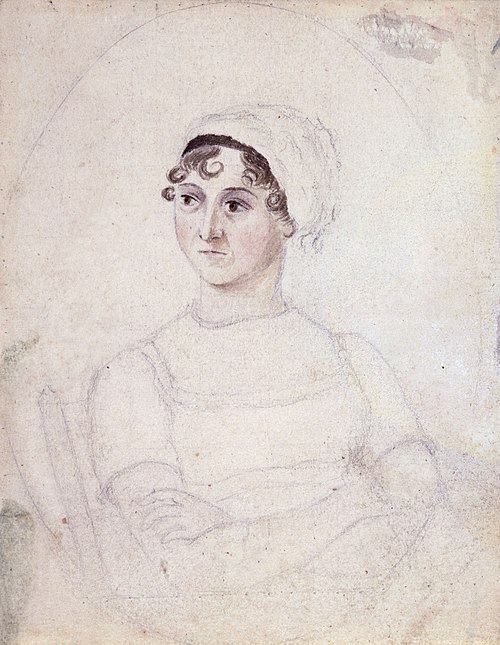
Jane Austen
88Jane Austen was an English novelist whose witty, incisive novels of manners, including Pride and Prejudice and Emma, are masterpieces of English literature and remain enduringly popular.

Niccolò Machiavelli
88Niccolò Machiavelli was a Renaissance Italian diplomat, political philosopher and writer whose treatise The Prince founded modern political science and gave his name to ruthless statecraft.
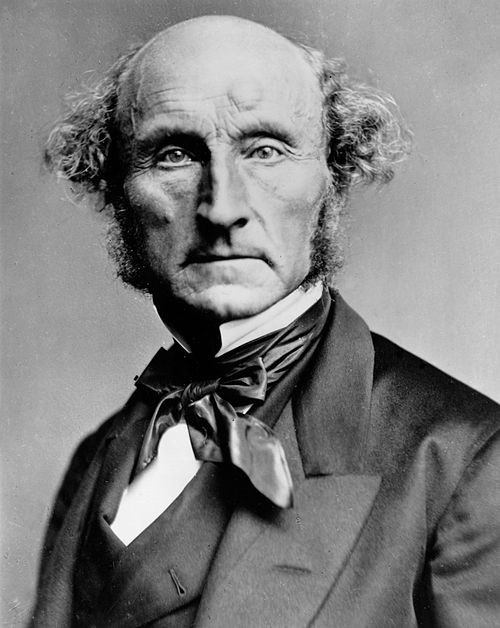
John Stuart Mill
87John Stuart Mill was an English philosopher and economist, the leading liberal thinker of the nineteenth century, whose works on utilitarianism, liberty, and the rights of women shaped modern political and ethical thought.

Mary Wollstonecraft
85Mary Wollstonecraft was an English Enlightenment writer and philosopher, a pioneer of feminist thought whose A Vindication of the Rights of Woman argued for the education and equality of women.

Hildegard of Bingen
84Hildegard of Bingen was a German Benedictine abbess and one of the most remarkable polymaths of the Middle Ages — a visionary, composer, writer, healer and natural philosopher.

Marco Polo
84Marco Polo was a Venetian merchant and explorer whose travels across Asia to the court of Kublai Khan, recorded in The Travels of Marco Polo, gave medieval Europe its most influential account of the East.
Frequently Asked Questions
Who is the greatest writer in history?
William Shakespeare is among those most often named the greatest writer in history for his unmatched influence on drama, poetry and the English language.