Poet · 1265 – 1321
Dante Alighieri
Key Takeaways
- Dante wrote the Divine Comedy, an epic poem journeying through Hell, Purgatory, and Heaven.
- He wrote in the Tuscan vernacular, helping create modern literary Italian.
- He is often called the "Father of the Italian language."
- His work bridges the medieval and Renaissance worlds.
Dante Alighieri towers over Italian literature as its greatest poet and one of the supreme figures of world letters. His Divine Comedy is at once a thrilling narrative, a vast theological vision, and a triumph of poetic art.
The Divine Comedy
Written during Dante’s years of exile, the Comedy recounts an imagined journey through the three realms of the afterlife: Inferno, Purgatorio, and Paradiso. Guided first by the ancient poet Virgil and then by his idealized beloved Beatrice, Dante descends through Hell and ascends to the vision of God. Its moral and cosmic order drew deeply on the philosophy of Thomas Aquinas.
Father of the Italian language
Rather than write in Latin, Dante chose his native Tuscan vernacular, raising it to the dignity of high art. In doing so he helped make Tuscan the basis of modern literary Italian, earning the title “Father of the Italian language.”
Exile and legacy
Caught in the violent factional politics of the Florentine Republic, Dante was banished from his city in 1302 and died in exile at Ravenna. Yet his poem secured his immortality. He honored the ancient Homer as the prince of poets, and in turn became a model for every later writer who sought to capture the whole of human experience.
Influence
Dante elevated the vernacular to a vehicle for the highest art, shaped the Italian language for all time, and influenced poets and writers from Petrarch and Boccaccio to T. S. Eliot.
Legacy
The Divine Comedy remains a pillar of the Western canon, and Dante is revered as the 'Sommo Poeta,' the supreme poet of Italy.
Major Works
- The Divine Comedy (Inferno, Purgatorio, Paradiso)
- La Vita Nuova
- De Monarchia
Controversies
- Exiled from Florence for life in 1302 amid the city's bitter factional politics, he never returned to his beloved city.
Notable Quotes
“Abandon all hope, you who enter here.”
Connections
Frequently Asked Questions
Who was Dante Alighieri?
Dante (1265–1321) was an Italian poet, author of the Divine Comedy, and a founding figure of the Italian literary language.
Why is Dante important?
He wrote one of the greatest poems in world literature and, by composing in Tuscan Italian, shaped the modern Italian language.
Citations & Sources
People Like Dante

Homer
95Homer was the legendary ancient Greek poet to whom the great epics the Iliad and the Odyssey are attributed, foundational works of Western literature.
Why The ancient epic poet Dante honored as supreme and placed first among the great poets in Limbo.

Thomas Aquinas
91Thomas Aquinas was a medieval Italian theologian and philosopher whose synthesis of Christian theology and Aristotelian philosophy became central to Catholic thought and the high point of scholasticism.
Why The theologian whose scholastic philosophy deeply shaped the moral and cosmic order of the Divine Comedy.

Niccolò Machiavelli
88Niccolò Machiavelli was a Renaissance Italian diplomat, political philosopher and writer whose treatise The Prince founded modern political science and gave his name to ruthless statecraft.
Why A fellow Florentine writer whose work likewise shaped Italian thought and prose.

Leonardo da Vinci
97Leonardo da Vinci was an Italian Renaissance polymath — painter, inventor, anatomist and engineer — whose curiosity and genius made him the archetype of the 'Renaissance man'.
Why A later Florentine genius whose work, like Dante's, defined Italy's cultural eminence.
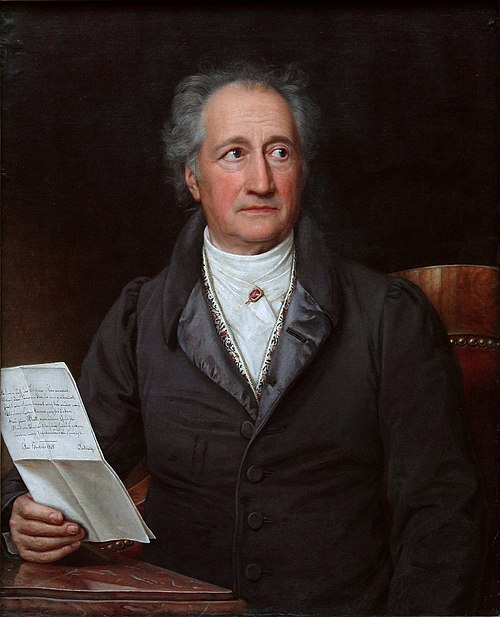
Johann Wolfgang von Goethe
92Johann Wolfgang von Goethe was a German writer, poet, and statesman, widely regarded as the greatest figure in German literature and one of the towering minds of European culture.
Why Also a writer & poet · Comparable historical impact
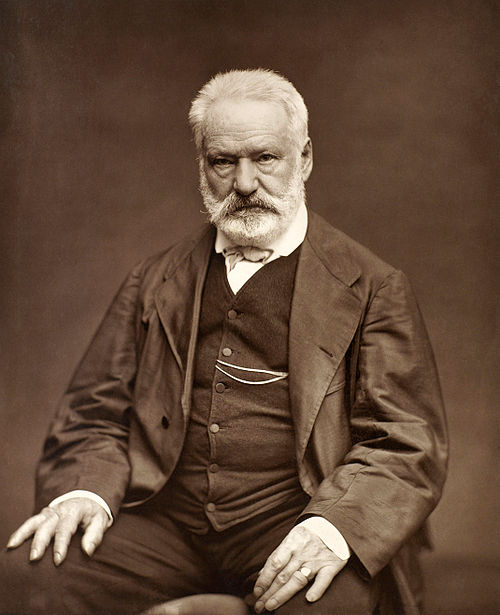
Victor Marie Hugo
89Victor Hugo was a French novelist, poet, and dramatist, the towering figure of French Romanticism, whose novels Les Misérables and The Hunchback of Notre-Dame are monuments of world literature.
Why Also a poet & writer · Comparable historical impact