republic · 1115–1569
Republic of Florence
The Republic of Florence was an Italian city-state that became the cradle of the Renaissance, its wealth and patronage fueling unparalleled achievements in art and learning.
Key Takeaways
- Florence was the financial and artistic heart of the Italian Renaissance.
- Medici patronage funded a golden age of art and scholarship.
- It nurtured figures such as Leonardo da Vinci.
- Type
- City-state republic
- Capital
- Florence
- Famous for
- Birthplace of the Renaissance
Governed as a republic and enriched by banking and trade, Florence under families like the Medici sponsored the artists, architects and thinkers who defined the Renaissance.
The Republic of Florence turned mercantile wealth into cultural gold. As a self-governing city-state, it channeled the fortunes of bankers and merchants — above all the Medici — into the patronage of art and learning.
The result was the Renaissance, and among the talents Florence shaped was Leonardo da Vinci, the era’s defining genius.
Key Achievements
- Sponsored the flowering of Renaissance art and architecture.
- Hosted innovations in banking and republican government.
Notable Figures of Republic of Florence

Leonardo da Vinci
97Leonardo da Vinci was an Italian Renaissance polymath — painter, inventor, anatomist and engineer — whose curiosity and genius made him the archetype of the 'Renaissance man'.

Dante Alighieri
93Dante Alighieri was an Italian poet of the late Middle Ages whose masterpiece, the Divine Comedy, is considered one of the greatest works of world literature and helped establish the Italian language.
Leonardo da Vinci
97Leonardo da Vinci was an Italian Renaissance polymath — painter, inventor, anatomist and engineer — whose curiosity and genius made him the archetype of the 'Renaissance man'.

Michelangelo
95Michelangelo was an Italian Renaissance sculptor, painter and architect, one of the greatest artists in history, creator of the David, the Pietà and the Sistine Chapel ceiling.

Niccolò Machiavelli
88Niccolò Machiavelli was a Renaissance Italian diplomat, political philosopher and writer whose treatise The Prince founded modern political science and gave his name to ruthless statecraft.
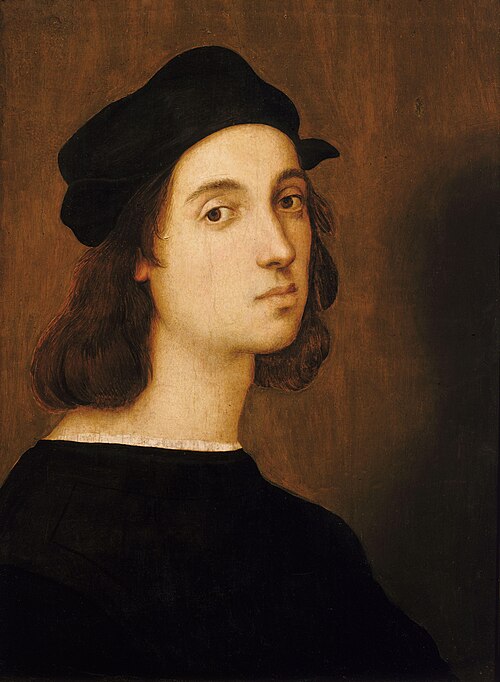
Raffaello Sanzio da Urbino
90Raphael was an Italian painter and architect of the High Renaissance whose works, prized for their harmony and grace, include The School of Athens and a famous series of serene Madonnas.
Frequently Asked Questions
Why was Florence important in the Renaissance?
Florence's wealth and the patronage of families like the Medici funded the artists and thinkers who launched the Renaissance, including Leonardo da Vinci.