Historical Period · c. 1300–1600
Renaissance
The Renaissance (14th–17th centuries) was a period of cultural rebirth in Europe that revived classical learning and produced extraordinary achievements in art, science and humanism.
Key Takeaways
- The Renaissance revived classical Greek and Roman learning across Europe.
- Florence was its cultural and financial heart.
- It produced polymaths like Leonardo da Vinci who united art and science.
- Humanism placed renewed emphasis on human potential and individual achievement.
- Span
- c. 1300–1600
- Birthplace
- Florence, Italy
- Defining idea
- Humanism
Beginning in the city-states of Italy, especially Florence, the Renaissance fused renewed interest in Greek and Roman antiquity with bold innovation in painting, architecture, anatomy and engineering.
The Renaissance — literally “rebirth” — was a flourishing of art, science and learning that pulled Europe out of the medieval world and toward modernity.
At its heart stood Florence, whose wealth and patronage nurtured Leonardo da Vinci and a generation of artists and thinkers who married the rediscovered wisdom of antiquity to daring new techniques.
Key Events
- The flourishing of Florentine art under the Medici
- The invention of the printing press (c. 1440)
- The High Renaissance in Rome and Florence
Major Ideas
- Humanism
- Revival of classical antiquity
- Empirical observation in art and science
Major Inventions
- The printing press
- Linear perspective in painting
Important Figures of Renaissance

Leonardo da Vinci
97Leonardo da Vinci was an Italian Renaissance polymath — painter, inventor, anatomist and engineer — whose curiosity and genius made him the archetype of the 'Renaissance man'.

Abu'l-Fath Jalal-ud-din Muhammad Akbar
88Akbar was the third Mughal emperor, who expanded the empire across much of the Indian subcontinent and is remembered for his administrative reforms, religious tolerance and patronage of the arts during a long and powerful reign.

Elizabeth I
89Elizabeth I was Queen of England from 1558 to 1603, whose long and stable reign — the Elizabethan era — saw a golden age of culture, the defeat of the Spanish Armada, and England's rise as a sea power.

Galileo Galilei
95Galileo Galilei was an Italian astronomer, physicist and engineer, the "father of modern science", whose telescopic discoveries and championing of heliocentrism transformed our understanding of the cosmos.

Johannes Gutenberg
93Johannes Gutenberg was a German inventor and printer who introduced movable-type printing to Europe around 1440, an innovation that transformed the spread of knowledge and helped launch the modern world.
Leonardo da Vinci
97Leonardo da Vinci was an Italian Renaissance polymath — painter, inventor, anatomist and engineer — whose curiosity and genius made him the archetype of the 'Renaissance man'.
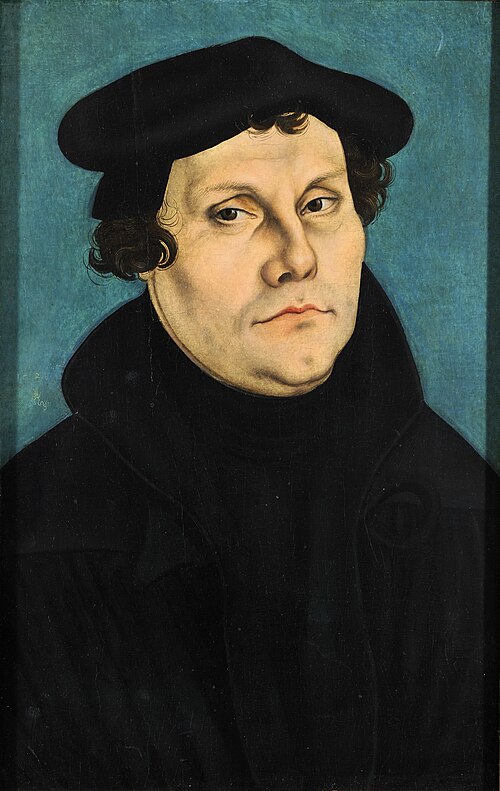
Martin Luther
91Martin Luther was a German theologian and reformer whose challenge to the Catholic Church sparked the Protestant Reformation and reshaped the religious, political and cultural landscape of Europe.

Michelangelo
95Michelangelo was an Italian Renaissance sculptor, painter and architect, one of the greatest artists in history, creator of the David, the Pietà and the Sistine Chapel ceiling.

Miguel de Cervantes
91Miguel de Cervantes was a Spanish writer whose novel Don Quixote is widely regarded as the first modern novel and one of the greatest works in world literature.

Niccolò Machiavelli
88Niccolò Machiavelli was a Renaissance Italian diplomat, political philosopher and writer whose treatise The Prince founded modern political science and gave his name to ruthless statecraft.

Nicolaus Copernicus
93Nicolaus Copernicus was a Renaissance astronomer who formulated the heliocentric model placing the Sun, not the Earth, at the center of the universe — a revolution in human thought.
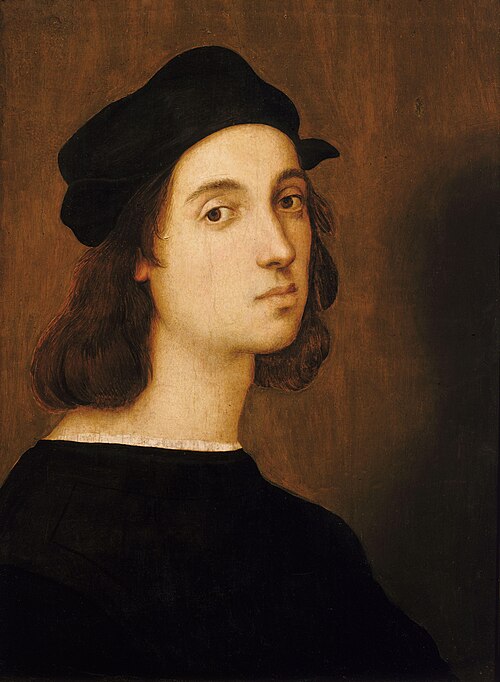
Raffaello Sanzio da Urbino
90Raphael was an Italian painter and architect of the High Renaissance whose works, prized for their harmony and grace, include The School of Athens and a famous series of serene Madonnas.
Suleiman I
90Suleiman the Magnificent was the longest-reigning sultan of the Ottoman Empire, who led it to the height of its power through military conquest, legal reform and a brilliant flowering of art and architecture.
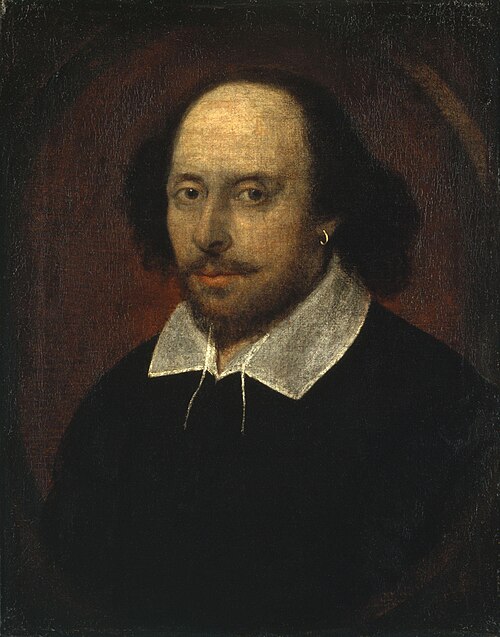
William Shakespeare
96William Shakespeare was an English playwright and poet widely regarded as the greatest writer in the English language and the world's preeminent dramatist.
Frequently Asked Questions
What was the Renaissance?
The Renaissance was a period of cultural rebirth in Europe (c. 1300–1600) that revived classical learning and produced great art and science, centered in Italy.
Where did the Renaissance begin?
It began in the Italian city-states, especially Florence, in the 14th century.