Novelist · 1828 – 1910
Lev Nikolayevich Tolstoy
Key Takeaways
- Tolstoy wrote War and Peace and Anna Karenina, two pinnacles of the realist novel.
- His fiction explores history, morality, family, and the search for meaning.
- In later life he developed a radical Christian philosophy of nonviolence.
- His ideas directly influenced Mahatma Gandhi and the wider tradition of nonviolent resistance.
Leo Tolstoy is widely counted among the greatest novelists in the history of literature. In War and Peace and Anna Karenina he created vast, deeply human worlds, and in his later years he became a moral teacher whose ideas reached far beyond Russia.
The great novels
War and Peace weaves the private lives of a handful of families into the sweeping drama of Russia during the Napoleonic invasion, blending fiction, history, and philosophy on an unprecedented scale. Anna Karenina turns inward, tracing a tragic love affair and the moral struggles of its characters with unmatched psychological insight.
Conversion and nonviolence
In midlife Tolstoy passed through a profound spiritual crisis that led him to a radical reading of Christianity centered on love, simplicity, and the refusal of violence. He renounced much of his earlier work and his wealth, a path that brought him into conflict with both the Orthodox Church and his own family.
Legacy
Tolstoy’s ethic of nonviolent resistance influenced Mahatma Gandhi, with whom he corresponded, and through Gandhi shaped later movements for justice. As a novelist he stood beside his rival Fyodor Dostoevsky at the summit of the modern Russian novel, and his works remain pillars of world literature.
Influence
Tolstoy's psychological realism reshaped the novel, while his philosophy of nonviolence passed through Gandhi to Martin Luther King Jr. and the great nonviolent movements of the twentieth century.
Legacy
Regarded as one of the greatest novelists of all time, Tolstoy remains a moral and literary giant whose works and ideas endure worldwide.
Life Timeline
- 1828Birth
Born into an aristocratic family at the Yasnaya Polyana estate.
- 1869War and Peace
Completes his sweeping epic of Russia during the Napoleonic Wars.
- 1877Anna Karenina
Publishes his tragic novel of love, marriage, and society.
- 1879–1880Spiritual crisis
Undergoes a religious conversion, turning to a radical Christian ethics of nonviolence.
- 1910Death
Leaves home in his final days and dies at the Astapovo railway station.
Major Works
- War and Peace
- Anna Karenina
- The Death of Ivan Ilyich
- Resurrection
Controversies
- His radical religious views led to his excommunication from the Russian Orthodox Church in 1901.
- His renunciation of property and his teachings caused deep conflict within his own family.
Notable Quotes
“All happy families are alike; each unhappy family is unhappy in its own way.”
Connections
Frequently Asked Questions
Who was Leo Tolstoy?
Tolstoy (1828–1910) was a Russian novelist and thinker, author of War and Peace and Anna Karenina and a proponent of nonviolent resistance.
How did Tolstoy influence Gandhi?
Tolstoy's writings on Christian nonviolence influenced Gandhi, who corresponded with him and adopted nonviolence as a guiding principle.
Citations & Sources
People Like Lev

Fyodor Mikhailovich Dostoevsky
91Fyodor Dostoevsky was a Russian novelist whose psychologically penetrating works, including Crime and Punishment and The Brothers Karamazov, probe faith, guilt, and freedom and helped shape modern existential thought.
Why His great contemporary and rival, the other towering figure of the Russian novel.

Mahatma Gandhi
93Mahatma Gandhi was the leader of India's independence movement, who pioneered the philosophy and practice of nonviolent civil disobedience and inspired movements for civil rights across the world.
Why Corresponded with Tolstoy and drew his philosophy of nonviolence partly from him.
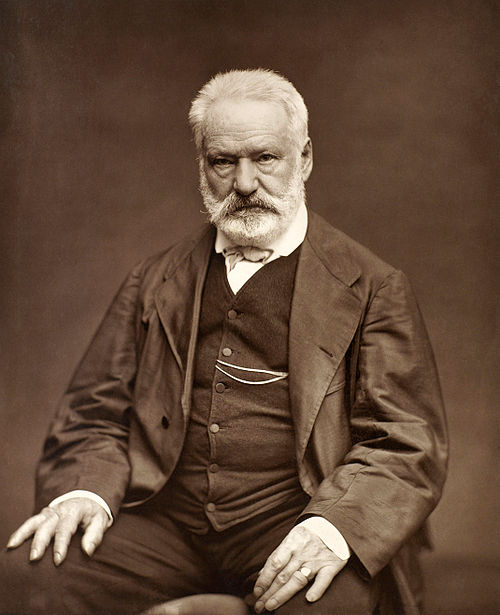
Victor Marie Hugo
89Victor Hugo was a French novelist, poet, and dramatist, the towering figure of French Romanticism, whose novels Les Misérables and The Hunchback of Notre-Dame are monuments of world literature.
Why A fellow nineteenth-century novelist of vast social and moral scope whose work Tolstoy admired.

Jean-Jacques Rousseau
90Jean-Jacques Rousseau was a Genevan-French philosopher, writer, and composer whose ideas on the social contract, the general will, and natural human goodness shaped modern political thought, education, and the Romantic movement.
Why An Enlightenment thinker whose ideas on nature and society deeply shaped the young Tolstoy.
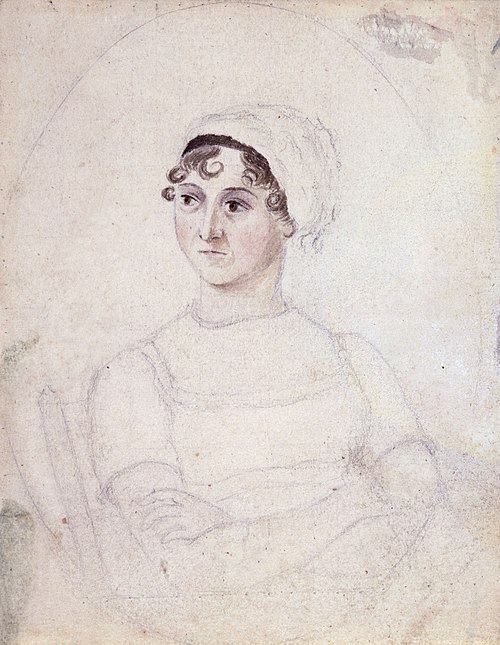
Jane Austen
88Jane Austen was an English novelist whose witty, incisive novels of manners, including Pride and Prejudice and Emma, are masterpieces of English literature and remain enduringly popular.
Why Also a novelist & writer · Comparable historical impact

Miguel de Cervantes
91Miguel de Cervantes was a Spanish writer whose novel Don Quixote is widely regarded as the first modern novel and one of the greatest works in world literature.
Why Also a novelist & writer · Comparable historical impact