Essayist · 1533 – 1592
Michel de Montaigne
Key Takeaways
- Montaigne invented the essay as a literary form with his Essais.
- He examined his own thoughts and habits with rare honesty to understand human nature.
- His motto, 'Que sais-je?' ('What do I know?'), captured his sceptical spirit.
- He influenced thinkers and writers from Shakespeare to the modern day.
Michel de Montaigne did something no writer had quite done before: he made himself the subject. Retiring to a book-lined tower in France, he wrote down his thoughts on everything from friendship to fear — and in doing so invented the essay.
The examined self
Montaigne called his pieces essais — “attempts” or “trials” — because they were exploratory rather than systematic. Distrusting grand theories, he started from his own experience and habits, following the ancient example of Socrates, to reach honest, often sceptical truths about human nature. His motto was a question: Que sais-je? — “What do I know?”
A new way of thinking
The Essais influenced everyone from his contemporary William Shakespeare to the philosophers who followed. Writing in the Renaissance, this essayist gave the world a literary form — and a model of candid self-reflection — that has never gone out of use.
Influence
Montaigne created a new way of writing and thinking — the essay — turning honest self-scrutiny into a path to universal human truths.
Legacy
Every personal essay written since owes something to Montaigne, who made the examined self a literary subject.
Major Works
- The Essais (Essays)
Connections
Frequently Asked Questions
Who was Michel de Montaigne?
Michel de Montaigne (1533–1592) was a French Renaissance writer who invented the essay, using candid self-examination in his Essais to explore human nature.
What is an essay, in Montaigne's sense?
Montaigne called his pieces 'essais' — 'attempts' — informal, exploratory writings in which he thinks through a subject by drawing on his own experience.
Citations & Sources
People Like Michel

Socrates
95Socrates was a classical Greek philosopher credited as a founder of Western philosophy, famous for the Socratic method of questioning and for his trial and execution in Athens.
Why The ancient model of self-examination that Montaigne took as his guide.
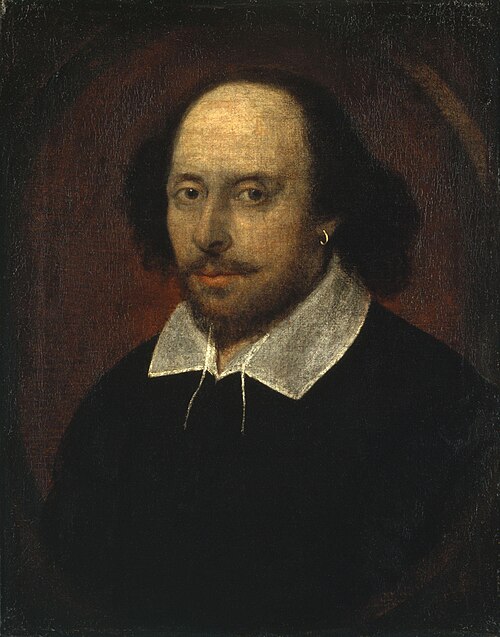
William Shakespeare
96William Shakespeare was an English playwright and poet widely regarded as the greatest writer in the English language and the world's preeminent dramatist.
Why A contemporary playwright who read Montaigne and echoed his ideas.

Francis Bacon
82Francis Bacon was an English philosopher, statesman and writer who served as Lord Chancellor and, in works such as the Novum Organum and his Essays, founded the modern scientific method of reasoning from evidence and experiment.
Why A near-contemporary who also developed the essay, in a more formal direction.

Jean-Jacques Rousseau
90Jean-Jacques Rousseau was a Genevan-French philosopher, writer, and composer whose ideas on the social contract, the general will, and natural human goodness shaped modern political thought, education, and the Romantic movement.
Why Also a philosopher & writer · From the same civilization

Niccolò Machiavelli
88Niccolò Machiavelli was a Renaissance Italian diplomat, political philosopher and writer whose treatise The Prince founded modern political science and gave his name to ruthless statecraft.
Why Also a philosopher & writer · Active in the same era

Voltaire
90Voltaire was a French Enlightenment writer, philosopher and wit, a tireless champion of reason, free speech and religious tolerance and one of the most influential figures of his age.
Why Also a writer & philosopher · From the same civilization