Novelist · 1797 – 1851
Mary Shelley
Key Takeaways
- Mary Shelley wrote Frankenstein when she was just eighteen.
- The novel is often called the first true work of science fiction.
- She was the daughter of pioneering feminist Mary Wollstonecraft.
- She edited and championed the poetry of her husband, Percy Bysshe Shelley.
When she was just eighteen, Mary Shelley dreamed up a story that would haunt the world ever after. Frankenstein is widely called the first work of science fiction — and its creature is now one of the most recognizable figures in all of culture.
A monster born of a stormy summer
In 1816, trapped indoors by bad weather at a villa near Geneva, Lord Byron challenged his guests to write ghost stories. Out of that contest came Mary’s tale of Victor Frankenstein, who builds a living being from dead matter and then recoils from his creation. Beneath the horror lies a profound question about science, ambition and responsibility that feels only more urgent today.
Daughter, wife, author in her own right
Mary was the daughter of the pioneering feminist Mary Wollstonecraft and the wife of the poet Percy Bysshe Shelley, whose works she devotedly edited after his early death. But this novelist of the modern era needs no reflected fame: with one teenage novel she founded a whole genre.
Influence
Mary Shelley created in Frankenstein an enduring myth of science and its consequences, founding science fiction and shaping horror and storytelling ever since.
Legacy
Frankenstein's creature has become one of the most recognizable figures in world culture, and the novel a touchstone for debates about science and responsibility.
Major Works
- Frankenstein; or, The Modern Prometheus
- The Last Man
Connections
Frequently Asked Questions
Who was Mary Shelley?
Mary Shelley (1797–1851) was an English writer who wrote Frankenstein at eighteen, a novel often regarded as the first work of science fiction.
What is Frankenstein about?
Frankenstein tells of a scientist, Victor Frankenstein, who creates a living being from dead matter, then abandons it — a Gothic tragedy about ambition, creation and responsibility.
Citations & Sources
People Like Mary

Percy Bysshe Shelley
79Percy Bysshe Shelley was an English Romantic poet, among the greatest lyric poets in the language, whose visionary and politically radical verse — including Ozymandias and Prometheus Unbound — influenced generations of poets and reformers.
Why Her husband, the Romantic poet whose works she later edited.

Lord Byron
80Lord Byron was an English Romantic poet, one of the most famous and scandalous figures of his age, whose works such as Don Juan and Childe Harold's Pilgrimage created the brooding "Byronic hero" and made him a celebrity across Europe.
Why Frankenstein was conceived during a ghost-story challenge at Byron's villa.

Mary Wollstonecraft
85Mary Wollstonecraft was an English Enlightenment writer and philosopher, a pioneer of feminist thought whose A Vindication of the Rights of Woman argued for the education and equality of women.
Why Her mother, the pioneering feminist philosopher.
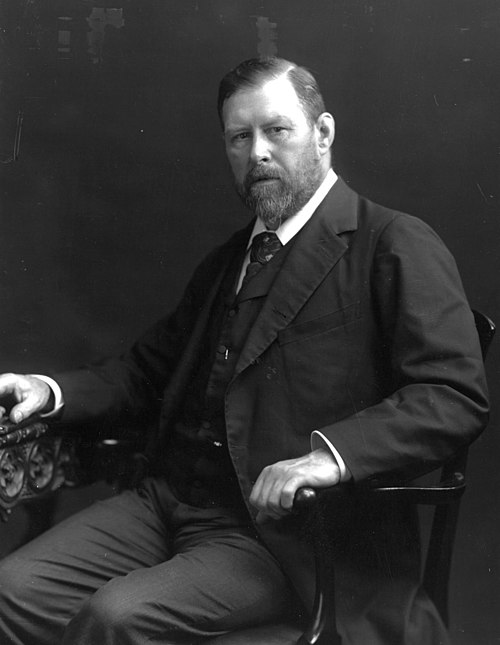
Bram Stoker
78Bram Stoker was an Irish writer and theatre manager whose 1897 Gothic novel Dracula created the modern vampire and became one of the most influential works of horror fiction ever written.
Why Also a novelist & writer · Active in the same era
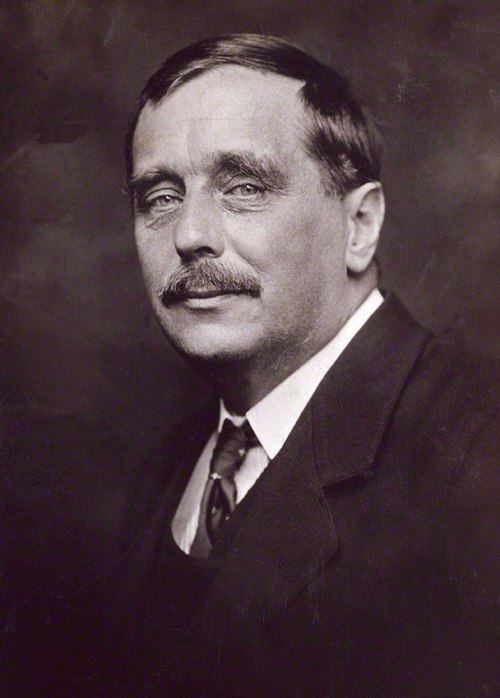
H. G. Wells
81H. G. Wells was an English writer, a founding father of science fiction, whose visionary novels — The Time Machine, The War of the Worlds and The Invisible Man — imagined time travel, alien invasion and other ideas that have shaped the genre ever since.
Why Also a novelist & writer · Active in the same era

Robert Louis Stevenson
79Robert Louis Stevenson was a Scottish writer whose adventure and Gothic tales — Treasure Island, Strange Case of Dr Jekyll and Mr Hyde, and Kidnapped — became enduring classics read around the world.
Why Also a novelist & writer · Active in the same era