Writer · 1866 – 1946
H. G. Wells
Key Takeaways
- Wells is regarded as a founding father of science fiction.
- His novels introduced time travel, alien invasion and other classic ideas.
- The War of the Worlds imagined a Martian attack on Earth.
- He also wrote widely on history, science and politics.
H. G. Wells dreamed up much of what we now call science fiction. Time travel, alien invasion, invisibility, genetic engineering — the core ideas of the genre appear, fully formed, in the novels he wrote at the turn of the 20th century.
The shape of things to come
The Time Machine sent a traveller into the distant future; The War of the Worlds unleashed Martians on Victorian England; The Invisible Man and The Island of Doctor Moreau probed the dangers of science without conscience. Where Jules Verne celebrated technology, Wells used it to ask unsettling questions about society and human nature.
More than science fiction
Wells was also a tireless writer on history, science and politics, even producing a bestselling Outline of History. His speculative imagination shaped later writers of the modern era from George Orwell to Aldous Huxley, making this novelist a true prophet of the modern age.
Influence
Wells imagined many of the core ideas of science fiction — time travel, alien invasion, invisibility, genetic engineering — and used the genre to explore society and the future.
Legacy
Called the 'father of science fiction' alongside Jules Verne, his stories remain endlessly adapted and his ideas woven into popular culture.
Major Works
- The Time Machine
- The War of the Worlds
- The Invisible Man
Connections
Frequently Asked Questions
Who was H. G. Wells?
H. G. Wells (1866–1946) was an English writer and a founding father of science fiction, author of The Time Machine and The War of the Worlds.
What is The War of the Worlds about?
It depicts an invasion of Earth by technologically superior Martians, pioneering the alien-invasion story and using it to reflect on imperialism and human vulnerability.
Citations & Sources
People Like H.

Jules Verne
81Jules Verne was a French novelist whose pioneering adventure stories — including Twenty Thousand Leagues Under the Sea and Around the World in Eighty Days — helped found science fiction and imagined technologies decades before they existed.
Why The other great founder of science fiction, often paired with Wells.

George Orwell
84George Orwell was an English writer and journalist whose novels Nineteen Eighty-Four and Animal Farm became the defining warnings against totalitarianism, giving the world terms such as "Big Brother", "doublethink" and "Orwellian".
Why A later writer of speculative fiction influenced by Wells's social imagination.

Aldous Huxley
80Aldous Huxley was an English writer and philosopher whose dystopian novel Brave New World became one of the most influential warnings of the 20th century, imagining a future enslaved not by terror but by pleasure and conditioning.
Why A later author of dystopian fiction in the tradition Wells helped create.
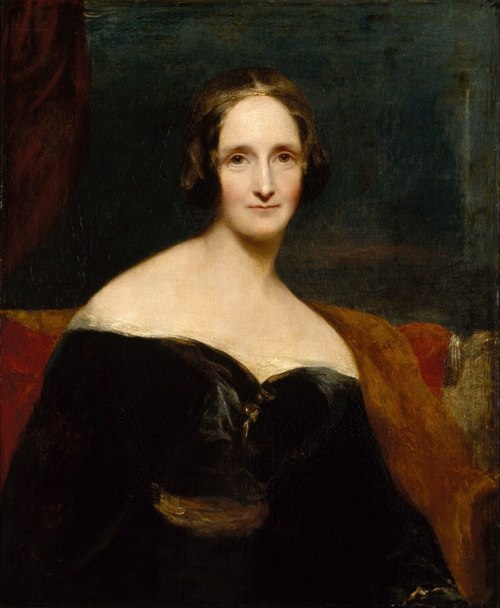
Mary Shelley
80Mary Shelley was an English writer who, at just eighteen, conceived Frankenstein — a novel often called the first work of science fiction — and went on to a notable literary career while editing the works of her husband, the poet Percy Bysshe Shelley.
Why Also a novelist & writer · Active in the same era

Agatha Christie
81Agatha Christie was an English writer, the best-selling novelist of all time, whose ingenious detective stories featuring Hercule Poirot and Miss Marple made her the undisputed "Queen of Crime".
Why Also a novelist & writer · Active in the same era

Arthur Conan Doyle
81Arthur Conan Doyle was a British writer and physician who created Sherlock Holmes, the most famous detective in fiction, whose stories of brilliant deduction defined the detective genre and remain among the best-loved in the world.
Why Also a novelist & writer · Active in the same era