Writer · 1894 – 1963
Aldous Huxley
Key Takeaways
- Huxley wrote Brave New World, a landmark dystopian novel.
- His dystopia is controlled through pleasure and conditioning, not terror.
- He also wrote on perception, psychedelics and mysticism.
- He came from a famous family of British scientists and writers.
Aldous Huxley imagined a different kind of nightmare. Where others feared the boot and the prison, he foresaw a future that would enslave people through pleasure — and called it Brave New World.
A dystopia of comfort
Huxley’s 1932 novel pictures a future where humans are mass-produced, genetically sorted and conditioned from birth to love their place and crave constant amusement, soothed by a happiness drug called soma. There is no terror here, only distraction. It is often paired with George Orwell’s Nineteen Eighty-Four as the two great warnings of the modern era — control by pleasure versus control by fear.
Mind and perception
Born into a famous British family of scientists — his grandfather championed Charles Darwin — Huxley ranged far beyond fiction, writing on mysticism and, in The Doors of Perception, on the psychedelic experience. Reacting against the optimism of H. G. Wells, this writer warned that the gravest threat to freedom might be our own contentment.
Influence
Huxley warned that freedom could be lost not only to oppression but to comfort and distraction, a vision that grows more resonant in an age of mass entertainment.
Legacy
Brave New World remains a standard reference for debates about technology, consumerism and freedom, paired forever with Orwell's dystopia.
Major Works
- Brave New World
- The Doors of Perception
- Island
Connections
Frequently Asked Questions
Who was Aldous Huxley?
Aldous Huxley (1894–1963) was an English writer and philosopher best known for the dystopian novel Brave New World.
What is Brave New World about?
It depicts a future where people are engineered and conditioned to be happy consumers, kept docile by pleasure and a drug called soma — a dystopia of comfort rather than terror.
Citations & Sources
People Like Aldous

George Orwell
84George Orwell was an English writer and journalist whose novels Nineteen Eighty-Four and Animal Farm became the defining warnings against totalitarianism, giving the world terms such as "Big Brother", "doublethink" and "Orwellian".
Why Whose Nineteen Eighty-Four offered the other great dystopian warning, by terror rather than pleasure.
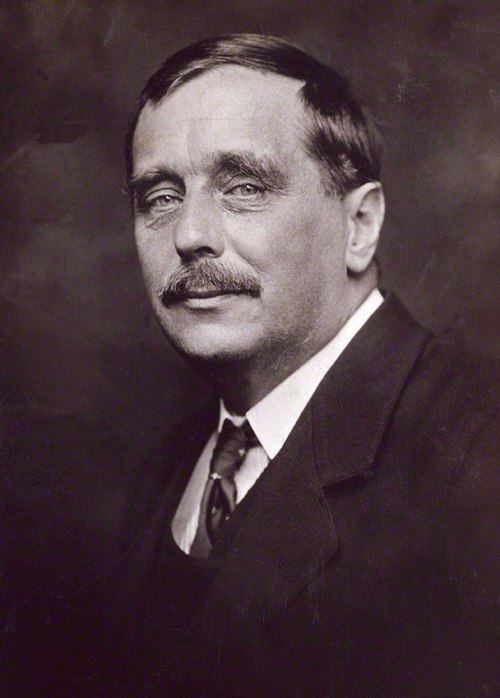
H. G. Wells
81H. G. Wells was an English writer, a founding father of science fiction, whose visionary novels — The Time Machine, The War of the Worlds and The Invisible Man — imagined time travel, alien invasion and other ideas that have shaped the genre ever since.
Why An earlier writer of speculative fiction whose utopian visions Huxley reacted against.

Charles Darwin
96Charles Darwin was an English naturalist whose theory of evolution by natural selection became the unifying foundation of modern biology and transformed humanity's understanding of life.
Why Huxley's grandfather championed Darwin; evolution and biology shaped his thought.

Agatha Christie
81Agatha Christie was an English writer, the best-selling novelist of all time, whose ingenious detective stories featuring Hercule Poirot and Miss Marple made her the undisputed "Queen of Crime".
Why Also a novelist & writer · Active in the same era

Arthur Conan Doyle
81Arthur Conan Doyle was a British writer and physician who created Sherlock Holmes, the most famous detective in fiction, whose stories of brilliant deduction defined the detective genre and remain among the best-loved in the world.
Why Also a novelist & writer · Active in the same era
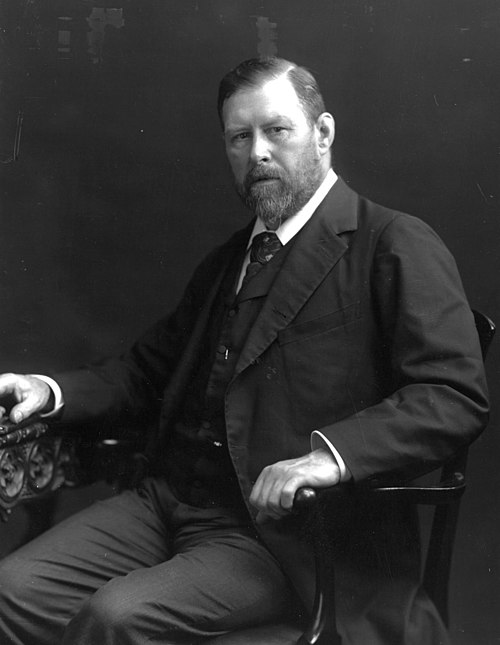
Bram Stoker
78Bram Stoker was an Irish writer and theatre manager whose 1897 Gothic novel Dracula created the modern vampire and became one of the most influential works of horror fiction ever written.
Why Also a novelist & writer · Active in the same era