Poet · 1788 – 1824
Lord Byron
Key Takeaways
- Byron was a leading poet of the Romantic movement and a European celebrity.
- His works created the brooding, rebellious 'Byronic hero'.
- His masterpiece is the satirical epic Don Juan.
- He died while supporting the Greek struggle for independence.
Lord Byron was the first modern celebrity — a poet whose fame, good looks and scandals made him the talk of Britain and all of Europe. “Mad, bad, and dangerous to know,” one lover called him, and he wore the reputation proudly.
The Byronic hero
In Childe Harold’s Pilgrimage and his great satirical epic Don Juan, Byron created a new kind of protagonist: the brooding, charismatic, rebellious outsider haunted by a secret sorrow — the “Byronic hero,” modelled on his own myth. It became one of the most influential character types in literature.
Poet and revolutionary
Byron lived the Romantic dream of the modern era to the end. Friend of Percy Bysshe Shelley and present at the famous summer that produced Mary Shelley’s Frankenstein, this poet threw himself into the Greek war of independence and died there — mourned as a hero by a nation he had adopted.
Influence
Byron made the poet into a celebrity and the rebellious outsider into a cultural archetype, his glamour and scandal shaping Romanticism across Europe.
Legacy
Mourned as a hero in Greece and famous throughout Europe, he remains the very image of the Romantic poet.
Major Works
- Don Juan
- Childe Harold's Pilgrimage
- She Walks in Beauty
Connections
Frequently Asked Questions
Who was Lord Byron?
Lord Byron (1788–1824) was an English Romantic poet and celebrity, author of Don Juan and Childe Harold's Pilgrimage, who died supporting Greek independence.
What is Don Juan about?
Don Juan is Byron's witty, satirical epic poem reinventing the legendary seducer as a young man swept through Europe's society and politics, mocking hypocrisy along the way.
Citations & Sources
People Like Lord

Percy Bysshe Shelley
79Percy Bysshe Shelley was an English Romantic poet, among the greatest lyric poets in the language, whose visionary and politically radical verse — including Ozymandias and Prometheus Unbound — influenced generations of poets and reformers.
Why A close friend and fellow Romantic poet who drowned shortly before Byron's own death.
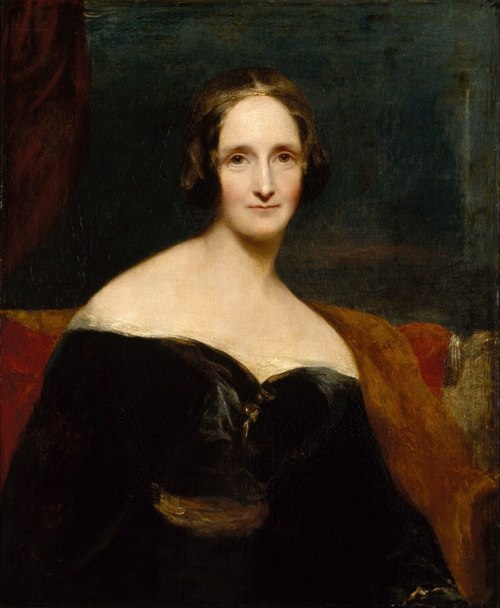
Mary Shelley
80Mary Shelley was an English writer who, at just eighteen, conceived Frankenstein — a novel often called the first work of science fiction — and went on to a notable literary career while editing the works of her husband, the poet Percy Bysshe Shelley.
Why Author of Frankenstein, conceived during a famous summer Byron shared with the Shelleys.

John Keats
79John Keats was an English Romantic poet who, despite dying at just 25, produced some of the most beautiful and enduring poetry in the language, including a series of great odes that secured his place among the immortals of English verse.
Why A younger contemporary of the second generation of English Romantic poets.

William Wordsworth
80William Wordsworth was an English poet who, with the Lyrical Ballads, helped launch the Romantic movement in English literature, celebrating nature, memory and ordinary life in language closer to common speech.
Why Also a poet & writer · Active in the same era

Rabindranath Tagore
81Rabindranath Tagore was a Bengali poet, writer, composer and polymath who reshaped Indian literature and music and, in 1913, became the first non-European to win the Nobel Prize in Literature.
Why Also a poet & writer · Active in the same era

Rudyard Kipling
79Rudyard Kipling was a British writer and poet, author of The Jungle Book and the poem "If—", who became the first English-language winner of the Nobel Prize in Literature, though his association with British imperialism has made his legacy contested.
Why Also a writer & poet · Active in the same era