Writer · 1865 – 1936
Rudyard Kipling
Key Takeaways
- Kipling wrote The Jungle Book and the famous poem 'If—'.
- He was the first English-language writer to win the Nobel Prize in Literature.
- He was a master of the short story and of verse.
- His celebration of the British Empire makes his legacy controversial today.
Rudyard Kipling was one of the most gifted storytellers of his age and the first English-language writer to win the Nobel Prize in Literature — yet his name now stirs as much debate as admiration.
The storyteller of empire
Born in British India, Kipling drew on that world for his best-loved work. The Jungle Book gave the world Mowgli and the law of the jungle; the novel Kim painted a vivid panorama of India; and his poem “If—” became one of the most quoted in the language. He was a master of both the short story and verse.
A contested legacy
Kipling was also the great literary voice of the British Empire, and the imperial — at times racist — outlook in his work has made his reputation deeply controversial. Admired by storytellers from Mark Twain to Robert Louis Stevenson, and answered by the very different vision of Rabindranath Tagore, this writer remains both celebrated for his craft and questioned for his politics.
Influence
Kipling was a brilliant storyteller and poet who captured the British imperial age, even as later generations came to question the imperialism his work often celebrated.
Legacy
His children's stories and verse endure, while debate over his imperial politics keeps his reputation contested.
Major Works
- The Jungle Book
- Kim
- If—
Connections
Frequently Asked Questions
Who was Rudyard Kipling?
Rudyard Kipling (1865–1936) was a British writer and poet, author of The Jungle Book and 'If—', and the first English-language Nobel laureate in Literature.
What is The Jungle Book?
The Jungle Book is Kipling's collection of stories about Mowgli, a boy raised by wolves in the Indian jungle, among the most beloved of all children's books.
Citations & Sources
People Like Rudyard

Rabindranath Tagore
81Rabindranath Tagore was a Bengali poet, writer, composer and polymath who reshaped Indian literature and music and, in 1913, became the first non-European to win the Nobel Prize in Literature.
Why The Indian Nobel laureate who offered a very different literary vision of the subcontinent.

Robert Louis Stevenson
79Robert Louis Stevenson was a Scottish writer whose adventure and Gothic tales — Treasure Island, Strange Case of Dr Jekyll and Mr Hyde, and Kidnapped — became enduring classics read around the world.
Why A fellow late-Victorian master of adventure storytelling Kipling admired.
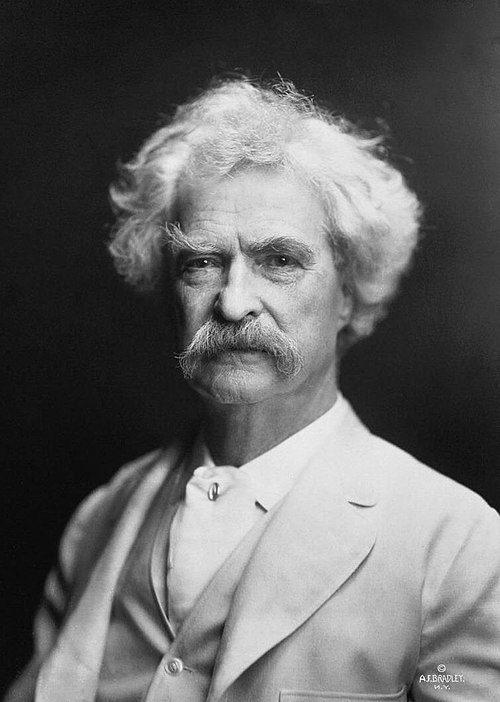
Mark Twain
84Mark Twain was an American writer and humorist, called the "father of American literature", whose novels The Adventures of Tom Sawyer and Adventures of Huckleberry Finn captured the voice of America and remain classics of world literature.
Why A contemporary storyteller whom Kipling sought out and revered.
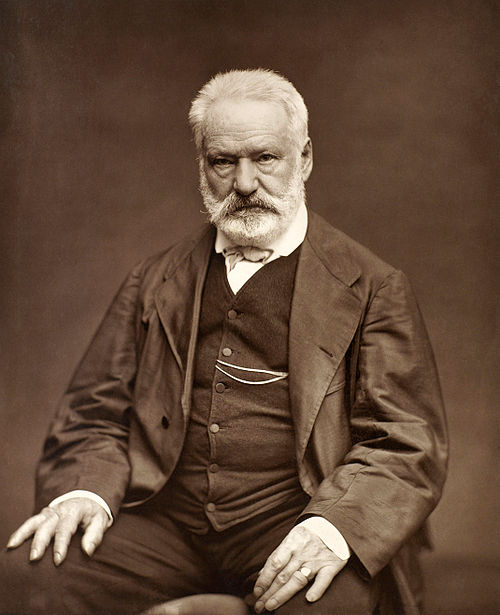
Victor Marie Hugo
89Victor Hugo was a French novelist, poet, and dramatist, the towering figure of French Romanticism, whose novels Les Misérables and The Hunchback of Notre-Dame are monuments of world literature.
Why Also a novelist & poet · Active in the same era

Herman Melville
80Herman Melville was an American novelist and poet whose Moby-Dick, neglected in his lifetime, is now regarded as one of the greatest novels ever written and a towering achievement of American literature.
Why Also a novelist & writer · Active in the same era

James Joyce
82James Joyce was an Irish novelist whose experimental masterpiece Ulysses is widely regarded as the greatest novel of the 20th century, and whose innovations in language and stream of consciousness transformed modern literature.
Why Also a novelist & writer · Active in the same era