Novelist · 1882 – 1941
James Joyce
Key Takeaways
- Joyce wrote Ulysses, often called the greatest novel of the 20th century.
- He pioneered the stream-of-consciousness narrative technique.
- His work is set in his native Dublin even though he lived abroad.
- His final novel, Finnegans Wake, pushed language to its limits.
James Joyce changed the novel more profoundly than any other writer of the 20th century. Exiled from his native Dublin yet writing about it obsessively, he pushed fiction toward the very workings of the human mind.
Ulysses
His masterpiece, Ulysses (1922), follows a single ordinary day in Dublin through the wandering thoughts of Leopold Bloom, mapped onto the structure of Homer’s Odyssey. Its stream-of-consciousness style — language flowing as raw, unfiltered thought — was so revolutionary, and at times so frank, that the book was banned for obscenity before courts finally allowed it.
The centre of modernism
Joyce went further still in Finnegans Wake, dissolving language into dream and pun. Alongside Virginia Woolf and Marcel Proust, this novelist of the modern era stands at the heart of literary modernism — his Dublin day now celebrated worldwide each year as “Bloomsday.”
Influence
Joyce expanded the possibilities of the novel more than any other modern writer, his radical experiments with language and consciousness influencing all of later fiction.
Legacy
Ulysses is celebrated every year on 'Bloomsday', and Joyce stands at the very centre of literary modernism.
Major Works
- Ulysses
- Dubliners
- A Portrait of the Artist as a Young Man
Connections
Frequently Asked Questions
Who was James Joyce?
James Joyce (1882–1941) was an Irish novelist whose Ulysses is often called the greatest novel of the 20th century and who pioneered stream of consciousness.
What is Ulysses about?
Ulysses follows a single day in Dublin in the life of Leopold Bloom, paralleling Homer's Odyssey, in a landmark of modernist fiction.
Citations & Sources
People Like James

Virginia Woolf
81Virginia Woolf was an English writer, a central figure of literary modernism, whose novels Mrs Dalloway and To the Lighthouse pioneered stream of consciousness, and whose essay A Room of One's Own became a landmark of feminist thought.
Why A contemporary modernist novelist who, like Joyce, pioneered stream of consciousness.

Marcel Proust
81Marcel Proust was a French novelist whose monumental seven-volume In Search of Lost Time is one of the most celebrated novels of the 20th century, transforming fiction with its exploration of memory, time and consciousness.
Why A contemporary whose vast modernist novel reshaped fiction alongside Joyce's.

Homer
95Homer was the legendary ancient Greek poet to whom the great epics the Iliad and the Odyssey are attributed, foundational works of Western literature.
Why Joyce modelled Ulysses on the structure of Homer's Odyssey.

Herman Melville
80Herman Melville was an American novelist and poet whose Moby-Dick, neglected in his lifetime, is now regarded as one of the greatest novels ever written and a towering achievement of American literature.
Why Also a novelist & writer · Active in the same era
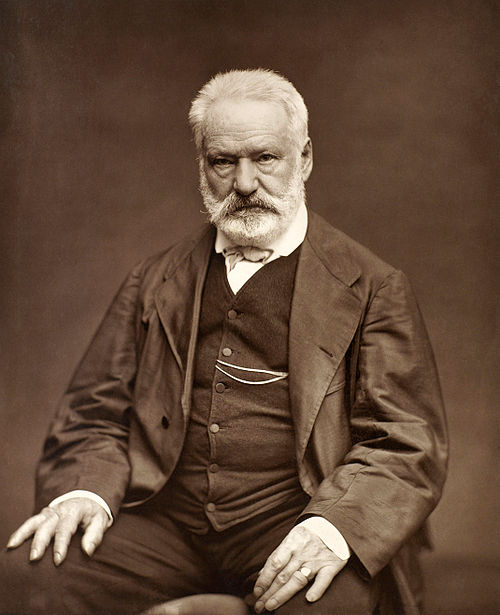
Victor Marie Hugo
89Victor Hugo was a French novelist, poet, and dramatist, the towering figure of French Romanticism, whose novels Les Misérables and The Hunchback of Notre-Dame are monuments of world literature.
Why Also a novelist & poet · Active in the same era

Robert Louis Stevenson
79Robert Louis Stevenson was a Scottish writer whose adventure and Gothic tales — Treasure Island, Strange Case of Dr Jekyll and Mr Hyde, and Kidnapped — became enduring classics read around the world.
Why Also a novelist & writer · Active in the same era