kingdom · 927–1707
Kingdom of England
The Kingdom of England was a powerful European state whose Elizabethan golden age produced a flowering of literature and the beginnings of a global maritime empire.
Key Takeaways
- England grew from a medieval kingdom into a major European power.
- The Elizabethan era produced Shakespeare and a literary golden age.
- It defeated the Spanish Armada and began its rise as a sea power.
- Type
- Kingdom
- Capital
- London
- Golden age
- The Elizabethan era
From medieval roots, England grew into a major power, and under the Tudors — especially Elizabeth I — it saw a cultural golden age of Shakespeare and a turn toward exploration and naval strength.
The Kingdom of England rose from its medieval origins to become a major European power and, eventually, the heart of a global empire. Its defining moment came under the Tudors, especially Elizabeth I, whose long reign brought stability and confidence.
The Elizabethan era was a cultural golden age — the time of William Shakespeare and a flowering of English drama and poetry. It was also the age in which England defeated the Spanish Armada and turned toward the sea, beginning the maritime expansion of the Age of Exploration.
Key Achievements
- Produced the Elizabethan literary golden age, including Shakespeare.
- Defeated the Spanish Armada (1588).
- Laid the foundations of a global maritime empire.
Notable Figures of Kingdom of England

Elizabeth I
89Elizabeth I was Queen of England from 1558 to 1603, whose long and stable reign — the Elizabethan era — saw a golden age of culture, the defeat of the Spanish Armada, and England's rise as a sea power.
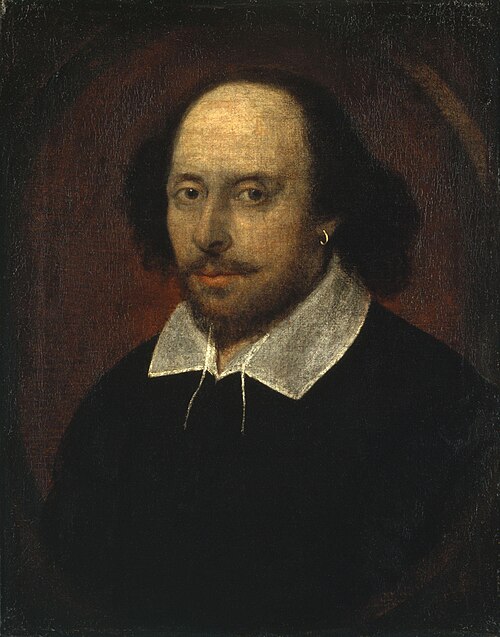
William Shakespeare
96William Shakespeare was an English playwright and poet widely regarded as the greatest writer in the English language and the world's preeminent dramatist.
Elizabeth I
89Elizabeth I was Queen of England from 1558 to 1603, whose long and stable reign — the Elizabethan era — saw a golden age of culture, the defeat of the Spanish Armada, and England's rise as a sea power.

John Locke
93John Locke was an English philosopher and physician, widely regarded as the father of liberalism, whose theories of empiricism, natural rights, and government by consent shaped the Enlightenment and the founding of modern democracies.

Mary Wollstonecraft
85Mary Wollstonecraft was an English Enlightenment writer and philosopher, a pioneer of feminist thought whose A Vindication of the Rights of Woman argued for the education and equality of women.

Thomas Hobbes
88Thomas Hobbes was an English philosopher whose masterwork Leviathan founded modern political philosophy, arguing that to escape the violent state of nature people must submit to a powerful sovereign through a social contract.
William Shakespeare
96William Shakespeare was an English playwright and poet widely regarded as the greatest writer in the English language and the world's preeminent dramatist.
Frequently Asked Questions
What was the Elizabethan golden age?
It was the cultural flowering of England under Queen Elizabeth I, marked by the plays of Shakespeare, growing naval power, and the defeat of the Spanish Armada.