Historical Figures
An authoritative, deeply-linked database of history's most influential people. Browse 199+ figures by occupation, era, and civilization, or use search to find anyone instantly.
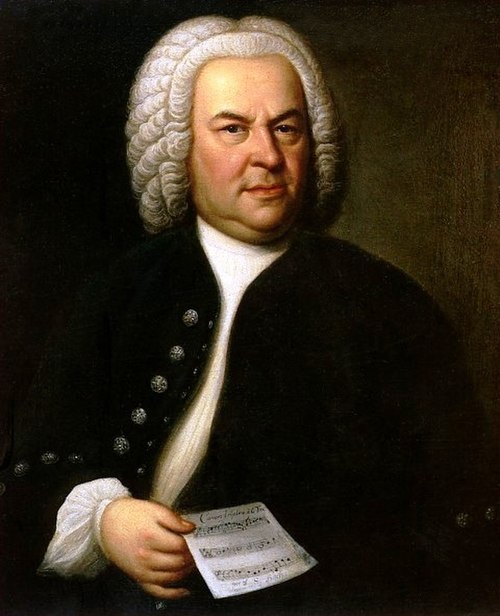
Johann Sebastian Bach
95Johann Sebastian Bach was a German composer and musician of the Baroque era whose mastery of counterpoint and harmony — in works like the Brandenburg Concertos and the Mass in B minor — made him one of the greatest composers in Western history.
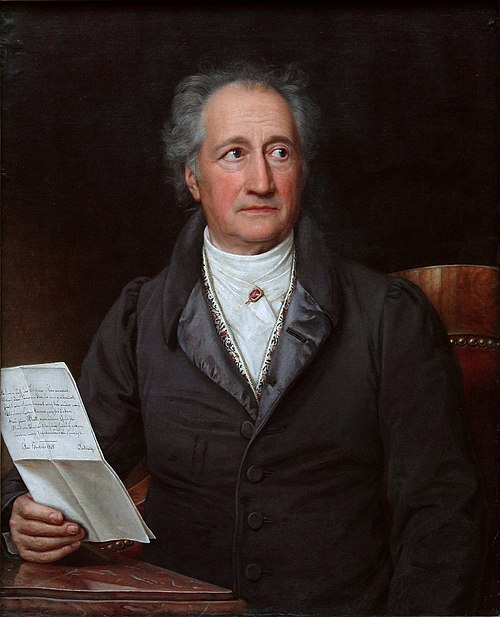
Johann Wolfgang von Goethe
92Johann Wolfgang von Goethe was a German writer, poet, and statesman, widely regarded as the greatest figure in German literature and one of the towering minds of European culture.

Johannes Gutenberg
93Johannes Gutenberg was a German inventor and printer who introduced movable-type printing to Europe around 1440, an innovation that transformed the spread of knowledge and helped launch the modern world.

John Keats
79John Keats was an English Romantic poet who, despite dying at just 25, produced some of the most beautiful and enduring poetry in the language, including a series of great odes that secured his place among the immortals of English verse.

John Locke
93John Locke was an English philosopher and physician, widely regarded as the father of liberalism, whose theories of empiricism, natural rights, and government by consent shaped the Enlightenment and the founding of modern democracies.

John Milton
83John Milton was an English poet and political writer of the 17th century whose epic Paradise Lost is considered the greatest long poem in the English language and one of the supreme achievements of world literature.
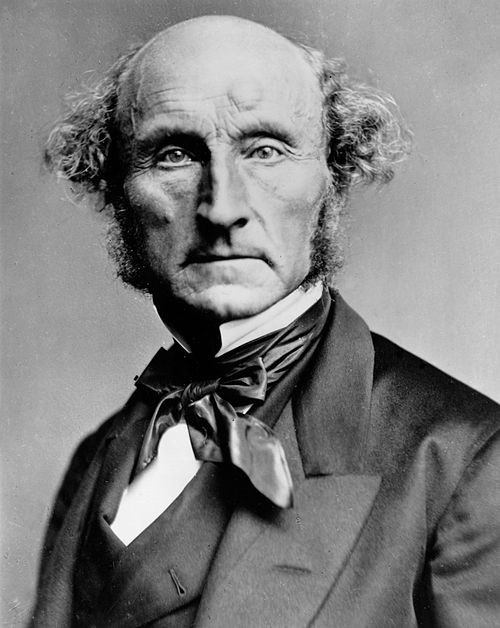
John Stuart Mill
87John Stuart Mill was an English philosopher and economist, the leading liberal thinker of the nineteenth century, whose works on utilitarianism, liberty, and the rights of women shaped modern political and ethical thought.

Jorge Luis Borges
80Jorge Luis Borges was an Argentine writer whose brief, dazzling stories of labyrinths, infinite libraries and mirrored worlds made him one of the most influential figures in 20th-century literature and a master of modern short fiction.

Jules Verne
81Jules Verne was a French novelist whose pioneering adventure stories — including Twenty Thousand Leagues Under the Sea and Around the World in Eighty Days — helped found science fiction and imagined technologies decades before they existed.

Julius Caesar
95Julius Caesar was a Roman general and statesman whose conquest of Gaul and victory in civil war made him dictator of Rome, ending the Republic and paving the way for the Empire.

Karl Marx
95Karl Marx was a German philosopher, economist, and revolutionary whose theories of historical materialism and class struggle, set out in The Communist Manifesto and Das Kapital, became among the most influential and contested ideas in modern history.

Laozi
93Laozi was a semi-legendary ancient Chinese philosopher traditionally regarded as the founder of Daoism and the author of the Tao Te Ching, the foundational text on living in harmony with the Dao.

Leonardo da Vinci
97Leonardo da Vinci was an Italian Renaissance polymath — painter, inventor, anatomist and engineer — whose curiosity and genius made him the archetype of the 'Renaissance man'.

Leonhard Euler
93Leonhard Euler was a Swiss mathematician and physicist, the most prolific mathematician in history, whose work shaped modern analysis, number theory, graph theory and mathematical notation.

Lev Nikolayevich Tolstoy
92Leo Tolstoy was a Russian novelist and moral philosopher whose epics War and Peace and Anna Karenina rank among the greatest works of fiction, and whose later doctrine of nonviolence influenced Gandhi and King.

Lewis Carroll
80Lewis Carroll was the pen name of Charles Dodgson, an English writer and mathematician whose Alice's Adventures in Wonderland and Through the Looking-Glass revolutionized children's literature with their playful logic, nonsense and imagination.

Lord Byron
80Lord Byron was an English Romantic poet, one of the most famous and scandalous figures of his age, whose works such as Don Juan and Childe Harold's Pilgrimage created the brooding "Byronic hero" and made him a celebrity across Europe.

Louis Pasteur
90Louis Pasteur was a French chemist and microbiologist whose work on germ theory, vaccination, and pasteurization revolutionized medicine and saved countless lives.
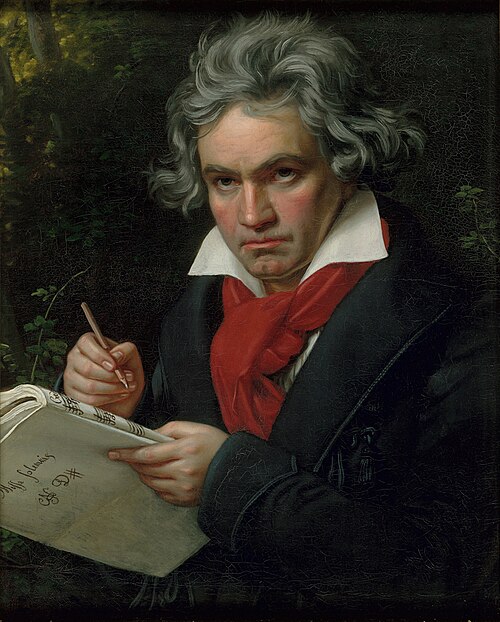
Ludwig van Beethoven
94Ludwig van Beethoven was a German composer and pianist, one of the greatest musicians in history, who bridged the Classical and Romantic eras and composed masterpieces even after going deaf.

Mahatma Gandhi
93Mahatma Gandhi was the leader of India's independence movement, who pioneered the philosophy and practice of nonviolent civil disobedience and inspired movements for civil rights across the world.

Mansa Musa
82Mansa Musa was the ruler of the Mali Empire at its height in the 14th century, remembered as one of the wealthiest individuals in history and famed for a lavish pilgrimage to Mecca that announced West Africa's riches to the world.

Marcel Proust
81Marcel Proust was a French novelist whose monumental seven-volume In Search of Lost Time is one of the most celebrated novels of the 20th century, transforming fiction with its exploration of memory, time and consciousness.

Marco Polo
84Marco Polo was a Venetian merchant and explorer whose travels across Asia to the court of Kublai Khan, recorded in The Travels of Marco Polo, gave medieval Europe its most influential account of the East.

Marcus Aurelius
90Marcus Aurelius was a Roman emperor and Stoic philosopher, the last of the "Five Good Emperors", whose private journal, the Meditations, is the most cherished work of Stoic thought.