Poet · 1608 – 1674
John Milton
Key Takeaways
- Milton wrote Paradise Lost, the greatest epic poem in English.
- He composed it after going completely blind, dictating to assistants.
- His tract Areopagitica is a landmark defence of freedom of the press.
- He served the English republic under Oliver Cromwell.
John Milton set out to write an epic to rival those of antiquity — and he did it after losing his sight entirely. The result, Paradise Lost, is widely held to be the greatest long poem in the English language.
Paradise Lost
Composed when Milton was completely blind and dictated to assistants, Paradise Lost retells the fall of man — Satan’s rebellion against Heaven and the temptation of Adam and Eve — in soaring blank verse. Drawing on the epics of Virgil and the vast Christian vision of Dante, it aimed, in Milton’s words, to “justify the ways of God to men.”
Champion of liberty
Milton was also a fierce political writer in England’s age of civil war and revolution, serving the republic of Oliver Cromwell. His pamphlet Areopagitica remains one of history’s great defences of free speech. Working in the Baroque era, this poet joined William Shakespeare at the summit of English literature.
Influence
Milton fused classical epic with Christian theme to create Paradise Lost, while his defence of free expression helped shape the modern idea of intellectual liberty.
Legacy
Paradise Lost stands beside the works of Homer, Virgil and Dante as one of the great epics, and Areopagitica is still quoted in debates over free speech.
Major Works
- Paradise Lost
- Areopagitica
- Paradise Regained
Connections
Frequently Asked Questions
Who was John Milton?
John Milton (1608–1674) was an English poet and political writer, author of Paradise Lost, widely regarded as the greatest epic poem in the English language.
What is Paradise Lost about?
Paradise Lost retells the biblical fall of man — Satan's rebellion and the temptation of Adam and Eve — in grand epic verse, seeking to 'justify the ways of God to men'.
Citations & Sources
People Like John

Virgil
86Virgil was a Roman poet of the Augustan age whose epic the Aeneid became the national poem of Rome and one of the most influential works in all of Western literature.
Why A classical epic poet whose Aeneid was a model for Milton's Paradise Lost.

Dante Alighieri
93Dante Alighieri was an Italian poet of the late Middle Ages whose masterpiece, the Divine Comedy, is considered one of the greatest works of world literature and helped establish the Italian language.
Why An earlier poet of a vast Christian vision of the cosmos and the afterlife.
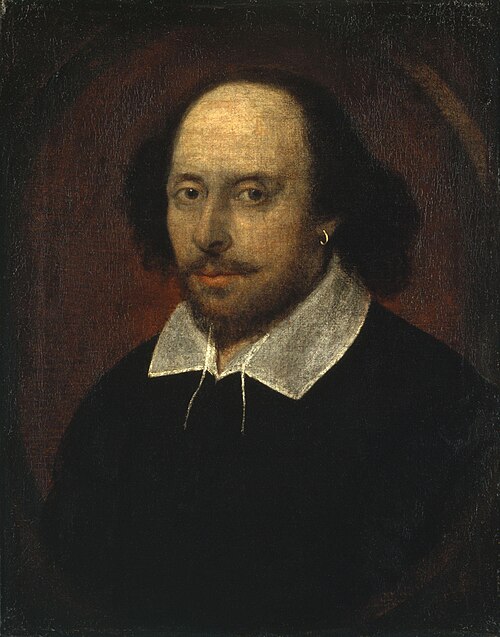
William Shakespeare
96William Shakespeare was an English playwright and poet widely regarded as the greatest writer in the English language and the world's preeminent dramatist.
Why The other towering figure of English Renaissance literature.

Geoffrey Chaucer
81Geoffrey Chaucer was an English poet and civil servant of the 14th century, called the "Father of English literature", whose Canterbury Tales established English as a language worthy of great poetry.
Why Also a poet & writer · From the same civilization

John Keats
79John Keats was an English Romantic poet who, despite dying at just 25, produced some of the most beautiful and enduring poetry in the language, including a series of great odes that secured his place among the immortals of English verse.
Why Also a poet & writer · Comparable historical impact

Lord Byron
80Lord Byron was an English Romantic poet, one of the most famous and scandalous figures of his age, whose works such as Don Juan and Childe Harold's Pilgrimage created the brooding "Byronic hero" and made him a celebrity across Europe.
Why Also a poet & writer · Comparable historical impact