Historical Period · c. 1600–1750
Baroque Era
The Baroque Era was a period of dramatic art, music and architecture spanning roughly the 17th and early 18th centuries, marked by grandeur, emotional intensity and the flourishing of science alongside absolute monarchy.
Key Takeaways
- The Baroque Era spanned roughly the 17th to mid-18th centuries.
- It is defined by dramatic, ornate art, music and architecture.
- It coincided with the rise of absolute monarchy and the Scientific Revolution.
- Figures like Bach and Rembrandt produced enduring Baroque masterpieces.
- Span
- c. 1600–1750
- Hallmark
- Drama, grandeur, contrast
- Arts
- Painting, music, architecture
Born in the Catholic Reformation and the courts of absolutist Europe, the Baroque cultivated movement, contrast and spectacle — from the canvases of Rembrandt to the music of Bach — while the Scientific Revolution reshaped the understanding of nature.
The Baroque Era was an age of drama and grandeur. In painting, music and architecture, artists pursued movement, contrast and overwhelming emotional power — from the candlelit interiors of Rembrandt to the towering counterpoint of Johann Sebastian Bach.
It was also the age of absolute monarchy and the Scientific Revolution, when reason and spectacle advanced side by side. The Baroque bridged the Renaissance and the Age of Enlightenment, leaving a legacy of masterpieces that still define Western art and music.
Major Ideas
- Emotional drama and grandeur in art
- Absolutism and divine-right monarchy
Major Inventions
- The telescope and microscope
- Refinements in the harpsichord, organ and orchestral music
Important Figures of Baroque Era
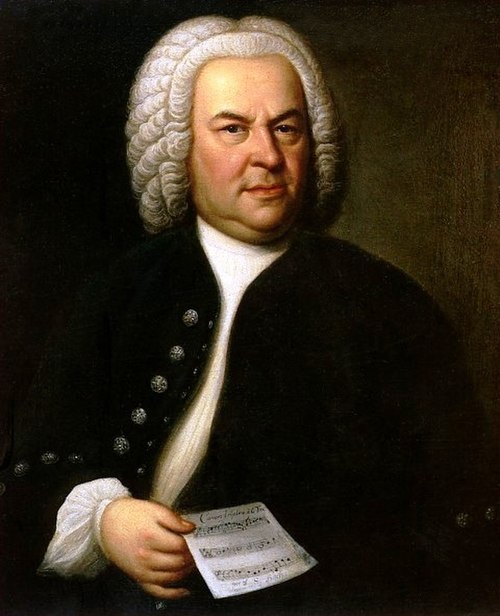
Johann Sebastian Bach
95Johann Sebastian Bach was a German composer and musician of the Baroque era whose mastery of counterpoint and harmony — in works like the Brandenburg Concertos and the Mass in B minor — made him one of the greatest composers in Western history.

Rembrandt Harmenszoon van Rijn
91Rembrandt was a Dutch painter and etcher of the Golden Age, regarded as one of the greatest artists in history, celebrated for The Night Watch, his searching self-portraits, and his mastery of light and shadow.

Baruch Spinoza
87Baruch Spinoza was a Dutch philosopher of the early modern era whose rationalist masterpiece, the Ethics, advanced a radical monism identifying God with Nature and made him a foundational figure of modern thought.
Johann Sebastian Bach
95Johann Sebastian Bach was a German composer and musician of the Baroque era whose mastery of counterpoint and harmony — in works like the Brandenburg Concertos and the Mass in B minor — made him one of the greatest composers in Western history.
Rembrandt Harmenszoon van Rijn
91Rembrandt was a Dutch painter and etcher of the Golden Age, regarded as one of the greatest artists in history, celebrated for The Night Watch, his searching self-portraits, and his mastery of light and shadow.
Frequently Asked Questions
What defines the Baroque era?
The Baroque (c. 1600–1750) is defined by dramatic, ornate and emotionally intense art, music and architecture, exemplified by figures such as Bach and Rembrandt.
When was the Baroque period?
The Baroque era spanned roughly from 1600 to 1750, bridging the Renaissance and the Age of Enlightenment.