republic · 1581–1795
Dutch Republic
The Dutch Republic was a 17th-century maritime and commercial powerhouse whose Golden Age made it a world center of trade, science, art and religious tolerance despite its small size.
Key Takeaways
- The Dutch Republic rose after revolting against Spanish Habsburg rule.
- Its 17th-century Golden Age made it a center of trade, art and science.
- It was unusually tolerant, attracting thinkers and refugees from across Europe.
- It produced masters like Rembrandt and the philosopher Spinoza.
- Type
- Merchant republic
- Capital
- Amsterdam
- Golden Age
- 17th century
Emerging from revolt against Spanish rule, the Dutch Republic built a global trading empire and, in its Golden Age, became a haven of tolerance and a hub of painting, philosophy and science.
The Dutch Republic was a small nation with an outsized influence on the modern world. Born from a long revolt against the Spanish Empire, it became, in its 17th-century Golden Age, the wealthiest and most innovative society in Europe.
Its merchant fleets dominated global trade, while at home an unusual climate of tolerance drew scientists, refugees and free-thinkers. The Republic produced the luminous paintings of Rembrandt and the radical philosophy of Baruch Spinoza — and, two centuries later, its artistic tradition would culminate in Vincent van Gogh.
Key Achievements
- Built a global trading empire through the Dutch East India Company.
- Became a Golden Age center of art, philosophy and tolerance.
Notable Figures of Dutch Republic

Rembrandt Harmenszoon van Rijn
91Rembrandt was a Dutch painter and etcher of the Golden Age, regarded as one of the greatest artists in history, celebrated for The Night Watch, his searching self-portraits, and his mastery of light and shadow.

Baruch Spinoza
87Baruch Spinoza was a Dutch philosopher of the early modern era whose rationalist masterpiece, the Ethics, advanced a radical monism identifying God with Nature and made him a foundational figure of modern thought.
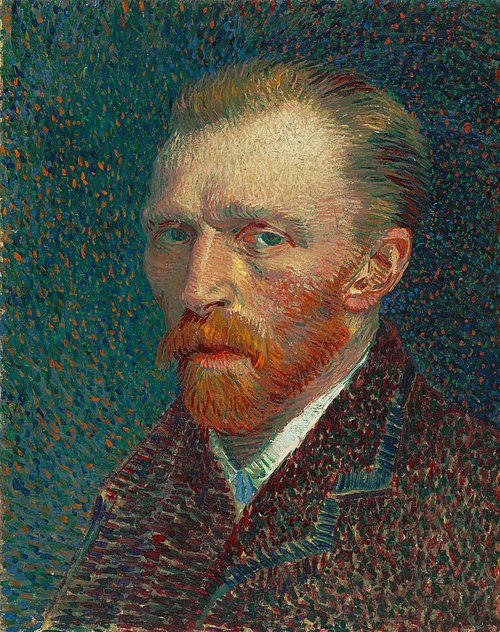
Vincent van Gogh
93Vincent van Gogh was a Dutch Post-Impressionist painter whose intense color, expressive brushwork, and emotional depth made him one of the most influential artists in Western history, though he found little recognition in his own lifetime.
Baruch Spinoza
87Baruch Spinoza was a Dutch philosopher of the early modern era whose rationalist masterpiece, the Ethics, advanced a radical monism identifying God with Nature and made him a foundational figure of modern thought.
Rembrandt Harmenszoon van Rijn
91Rembrandt was a Dutch painter and etcher of the Golden Age, regarded as one of the greatest artists in history, celebrated for The Night Watch, his searching self-portraits, and his mastery of light and shadow.
Vincent van Gogh
93Vincent van Gogh was a Dutch Post-Impressionist painter whose intense color, expressive brushwork, and emotional depth made him one of the most influential artists in Western history, though he found little recognition in his own lifetime.
Frequently Asked Questions
What was the Dutch Golden Age?
The Dutch Golden Age was the 17th-century peak of the Dutch Republic, when its trade, science and art — including painters like Rembrandt — led the world.