Novelist · 973 – 1014
Murasaki Shikibu
Key Takeaways
- Murasaki Shikibu was a lady-in-waiting at Japan's Heian imperial court.
- Her Tale of Genji is often called the world's first novel.
- The work portrays courtly love and intrigue with deep psychological insight.
- She wrote in an age when serious literature in Japan was usually the domain of men.
A thousand years ago, in the refined imperial court of Heian Japan, a lady-in-waiting wrote what many consider the first novel in the world. Her name comes down to us as Murasaki Shikibu.
The Tale of Genji
Her masterpiece, The Tale of Genji, follows the romantic and political life of Genji, the gifted son of an emperor, and the glittering, melancholy world around him. Long, intricate and psychologically subtle, it reads astonishingly like a modern novel — centuries before the form took shape in Europe with writers such as Miguel de Cervantes.
A woman of letters
Writing in the medieval world where serious prose was expected to be in Chinese, Murasaki composed in elegant Japanese, capturing an entire society much as Geoffrey Chaucer would later do for England. As a pioneering novelist, she founded a literary tradition that her country — and the world — still treasures.
Influence
Murasaki Shikibu created, centuries ahead of Europe, a long fictional narrative of psychological depth, founding the tradition of the novel and the canon of Japanese literature.
Legacy
A thousand years on, The Tale of Genji is read worldwide as a foundational classic and Japan's greatest literary work.
Major Works
- The Tale of Genji
- The Diary of Lady Murasaki
Connections
Frequently Asked Questions
Who was Murasaki Shikibu?
Murasaki Shikibu (c. 973–1014) was a Japanese noblewoman and writer whose Tale of Genji is often called the world's first novel.
What is The Tale of Genji about?
It follows the life and loves of Genji, a son of the emperor, and the world of the Heian court, portraying its romance and intrigue with rare emotional depth.
Citations & Sources
People Like Murasaki

Miguel de Cervantes
91Miguel de Cervantes was a Spanish writer whose novel Don Quixote is widely regarded as the first modern novel and one of the greatest works in world literature.
Why A later pioneer of the novel, the form Murasaki is often credited with founding.

Geoffrey Chaucer
81Geoffrey Chaucer was an English poet and civil servant of the 14th century, called the "Father of English literature", whose Canterbury Tales established English as a language worthy of great poetry.
Why A medieval storyteller who, like Murasaki, captured a whole society in literature.
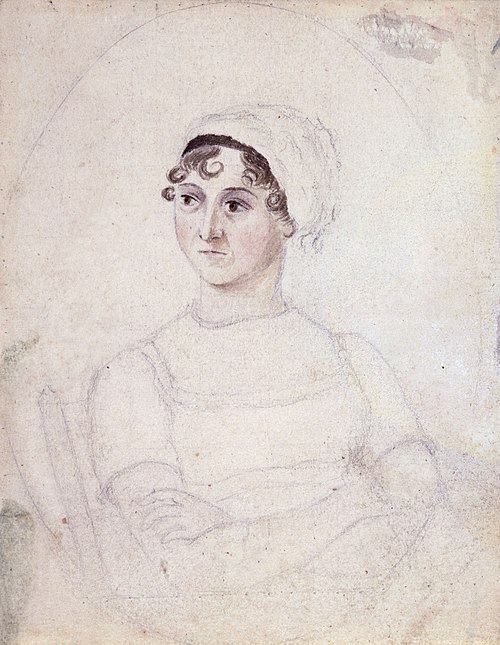
Jane Austen
88Jane Austen was an English novelist whose witty, incisive novels of manners, including Pride and Prejudice and Emma, are masterpieces of English literature and remain enduringly popular.
Why A later novelist of manners whose social acuity echoes Murasaki's portrait of court life.

Herman Melville
80Herman Melville was an American novelist and poet whose Moby-Dick, neglected in his lifetime, is now regarded as one of the greatest novels ever written and a towering achievement of American literature.
Why Also a novelist & writer · Comparable historical impact

James Joyce
82James Joyce was an Irish novelist whose experimental masterpiece Ulysses is widely regarded as the greatest novel of the 20th century, and whose innovations in language and stream of consciousness transformed modern literature.
Why Also a novelist & writer · Comparable historical impact
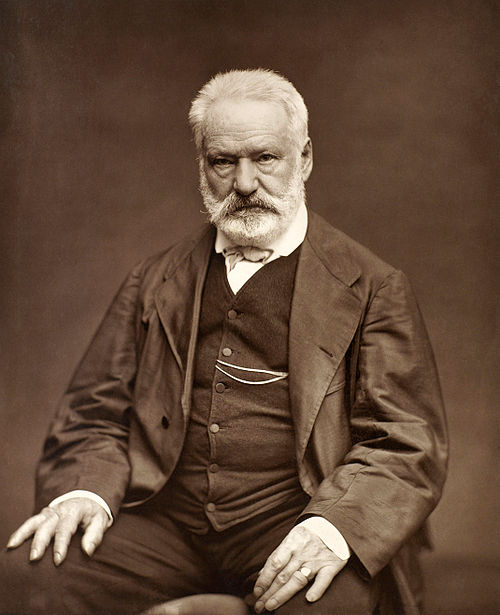
Victor Marie Hugo
89Victor Hugo was a French novelist, poet, and dramatist, the towering figure of French Romanticism, whose novels Les Misérables and The Hunchback of Notre-Dame are monuments of world literature.
Why Also a novelist & poet · Comparable historical impact