Novelist · 973 – 1014
Murasaki Shikibu
If you're interested in Murasaki Shikibu, these historical figures share a similar impact, discipline, philosophy, or era. Each recommendation explains why the connection exists.
Similar Impact & Significance

Miguel de Cervantes
91Miguel de Cervantes was a Spanish writer whose novel Don Quixote is widely regarded as the first modern novel and one of the greatest works in world literature.
Why A later pioneer of the novel, the form Murasaki is often credited with founding.

Geoffrey Chaucer
81Geoffrey Chaucer was an English poet and civil servant of the 14th century, called the "Father of English literature", whose Canterbury Tales established English as a language worthy of great poetry.
Why A medieval storyteller who, like Murasaki, captured a whole society in literature.
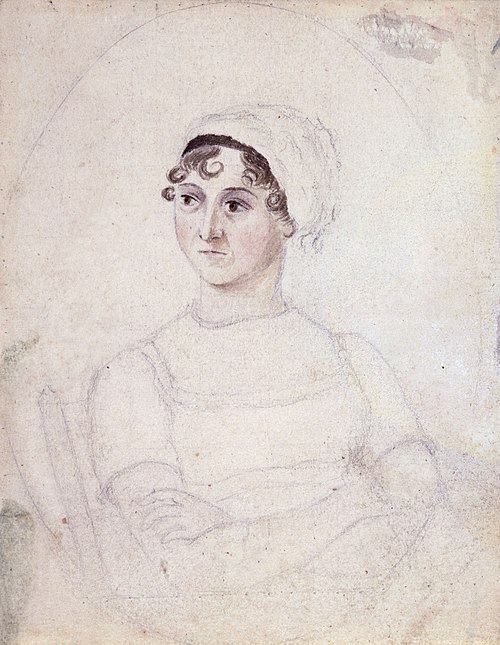
Jane Austen
88Jane Austen was an English novelist whose witty, incisive novels of manners, including Pride and Prejudice and Emma, are masterpieces of English literature and remain enduringly popular.
Why A later novelist of manners whose social acuity echoes Murasaki's portrait of court life.

Herman Melville
80Herman Melville was an American novelist and poet whose Moby-Dick, neglected in his lifetime, is now regarded as one of the greatest novels ever written and a towering achievement of American literature.
Why Also a novelist & writer · Comparable historical impact

James Joyce
82James Joyce was an Irish novelist whose experimental masterpiece Ulysses is widely regarded as the greatest novel of the 20th century, and whose innovations in language and stream of consciousness transformed modern literature.
Why Also a novelist & writer · Comparable historical impact
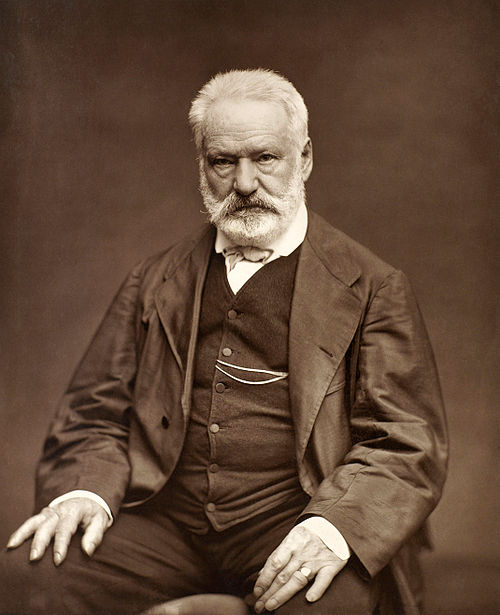
Victor Marie Hugo
89Victor Hugo was a French novelist, poet, and dramatist, the towering figure of French Romanticism, whose novels Les Misérables and The Hunchback of Notre-Dame are monuments of world literature.
Why Also a novelist & poet · Comparable historical impact

Robert Louis Stevenson
79Robert Louis Stevenson was a Scottish writer whose adventure and Gothic tales — Treasure Island, Strange Case of Dr Jekyll and Mr Hyde, and Kidnapped — became enduring classics read around the world.
Why Also a novelist & writer · Comparable historical impact

Rudyard Kipling
79Rudyard Kipling was a British writer and poet, author of The Jungle Book and the poem "If—", who became the first English-language winner of the Nobel Prize in Literature, though his association with British imperialism has made his legacy contested.
Why Also a writer & poet · Comparable historical impact

Alexandre Dumas
81Alexandre Dumas was a French writer whose swashbuckling historical novels — The Three Musketeers and The Count of Monte Cristo — became some of the most popular and widely adapted stories in the world.
Why Also a novelist & writer · Comparable historical impact

Charles Dickens
86Charles Dickens was an English novelist of the Victorian age, the most popular writer of his time and one of the greatest in the English language, whose vivid characters and social conscience defined the 19th-century novel.
Why Also a novelist & writer · Comparable historical impact

Ernest Hemingway
82Ernest Hemingway was an American novelist and short-story writer whose spare, understated prose style revolutionized 20th-century fiction, winning the Nobel Prize in Literature for works such as The Old Man and the Sea.
Why Also a novelist & writer · Comparable historical impact

F. Scott Fitzgerald
80F. Scott Fitzgerald was an American novelist and short-story writer, the great chronicler of the Jazz Age, whose novel The Great Gatsby is often called the quintessential American novel.
Why Also a novelist & writer · Comparable historical impact

Marcel Proust
81Marcel Proust was a French novelist whose monumental seven-volume In Search of Lost Time is one of the most celebrated novels of the 20th century, transforming fiction with its exploration of memory, time and consciousness.
Why Also a novelist & writer · Comparable historical impact
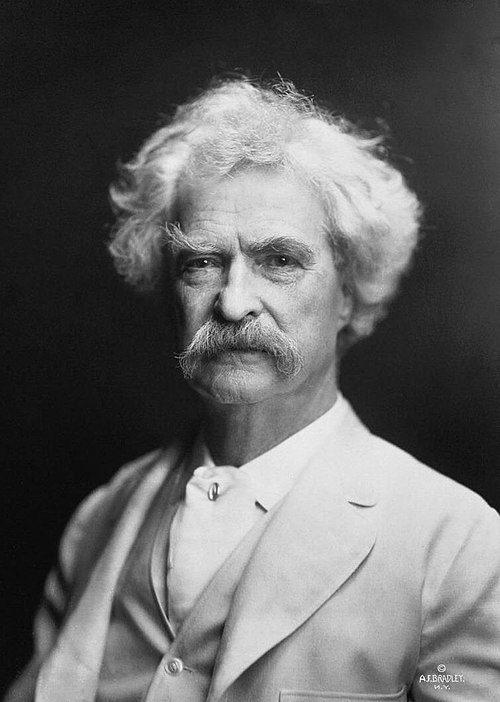
Mark Twain
84Mark Twain was an American writer and humorist, called the "father of American literature", whose novels The Adventures of Tom Sawyer and Adventures of Huckleberry Finn captured the voice of America and remain classics of world literature.
Why Also a novelist & writer · Comparable historical impact

Nathaniel Hawthorne
78Nathaniel Hawthorne was an American novelist and short-story writer whose dark, morally probing fiction — above all The Scarlet Letter — explored sin, guilt and hypocrisy in Puritan New England and helped found the American novel.
Why Also a novelist & writer · Comparable historical impact

Toni Morrison
81Toni Morrison was an American novelist whose richly poetic explorations of Black American life — above all Beloved — won her the Pulitzer Prize and made her the first African American woman to receive the Nobel Prize in Literature.
Why Also a novelist & writer · Comparable historical impact

Agatha Christie
81Agatha Christie was an English writer, the best-selling novelist of all time, whose ingenious detective stories featuring Hercule Poirot and Miss Marple made her the undisputed "Queen of Crime".
Why Also a novelist & writer · Comparable historical impact

Aldous Huxley
80Aldous Huxley was an English writer and philosopher whose dystopian novel Brave New World became one of the most influential warnings of the 20th century, imagining a future enslaved not by terror but by pleasure and conditioning.
Why Also a novelist & writer · Comparable historical impact

Alexander Pushkin
81Alexander Pushkin was a Russian poet, playwright and novelist, regarded as the founder of modern Russian literature, whose verse novel Eugene Onegin and other works shaped the language and the writers who followed him.
Why Also a poet & novelist · Comparable historical impact

Arthur Conan Doyle
81Arthur Conan Doyle was a British writer and physician who created Sherlock Holmes, the most famous detective in fiction, whose stories of brilliant deduction defined the detective genre and remain among the best-loved in the world.
Why Also a novelist & writer · Comparable historical impact
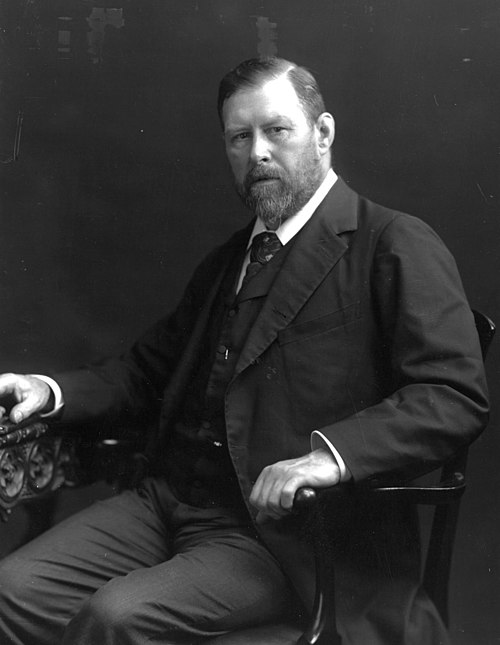
Bram Stoker
78Bram Stoker was an Irish writer and theatre manager whose 1897 Gothic novel Dracula created the modern vampire and became one of the most influential works of horror fiction ever written.
Why Also a novelist & writer · Comparable historical impact

Edgar Allan Poe
81Edgar Allan Poe was an American writer and poet, a master of the macabre, who invented the detective story, helped shape the modern short story and science fiction, and gave the world haunting tales and poems such as "The Raven".
Why Also a writer & poet · Comparable historical impact
Same Field or Discipline
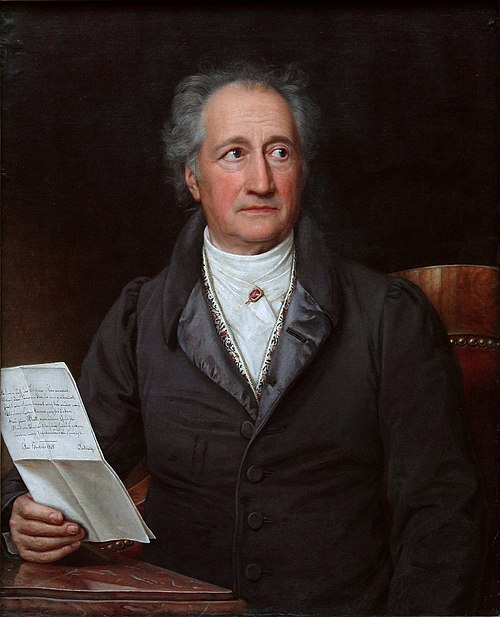
Johann Wolfgang von Goethe
92Johann Wolfgang von Goethe was a German writer, poet, and statesman, widely regarded as the greatest figure in German literature and one of the towering minds of European culture.
Why Also a writer & poet

Dante Alighieri
93Dante Alighieri was an Italian poet of the late Middle Ages whose masterpiece, the Divine Comedy, is considered one of the greatest works of world literature and helped establish the Italian language.
Why Also a poet & writer · Active in the same era