Novelist · 1812 – 1870
Charles Dickens
Key Takeaways
- Dickens was the most popular novelist of the Victorian era.
- His novels exposed the poverty and injustice of industrial Britain.
- He created some of literature's most memorable characters, from Scrooge to Pip.
- Many of his books were first published in monthly instalments.
No writer captured the Victorian world like Charles Dickens. The most popular novelist of his age, he filled his books with unforgettable characters while turning a fierce eye on the poverty and injustice around him.
Storyteller and reformer
Dickens knew hardship first-hand — as a boy he was sent to work in a factory when his father went to debtors’ prison — and that memory drove his fiction. Oliver Twist exposed the cruelty of the workhouse, A Christmas Carol preached generosity through the miser Scrooge, and Great Expectations and David Copperfield traced young lives through a vivid, unjust society. Published in monthly instalments during the Industrial Revolution, his novels were devoured by readers of every class.
A lasting world
His characters became part of the language — to be “Dickensian” is to evoke his world at a word. Ranked beside contemporaries like Victor Hugo and Leo Tolstoy, and mirrored across the Atlantic by Mark Twain, this novelist made the novel both a popular entertainment and a force for reform.
Influence
Dickens made the novel a vehicle for both mass entertainment and social reform, his vivid characters and campaigns against injustice shaping Victorian culture and beyond.
Legacy
His characters and Christmas vision are woven into the culture of the English-speaking world, and his name became an adjective — 'Dickensian'.
Major Works
- A Christmas Carol
- Oliver Twist
- Great Expectations
- David Copperfield
Connections
Frequently Asked Questions
Who was Charles Dickens?
Charles Dickens (1812–1870) was an English novelist of the Victorian age, author of A Christmas Carol, Oliver Twist and Great Expectations, and the most popular writer of his time.
Why are Dickens's novels important?
They combine vivid, unforgettable characters with sharp criticism of the poverty and injustice of industrial Britain, shaping both literature and social reform.
Citations & Sources
People Like Charles
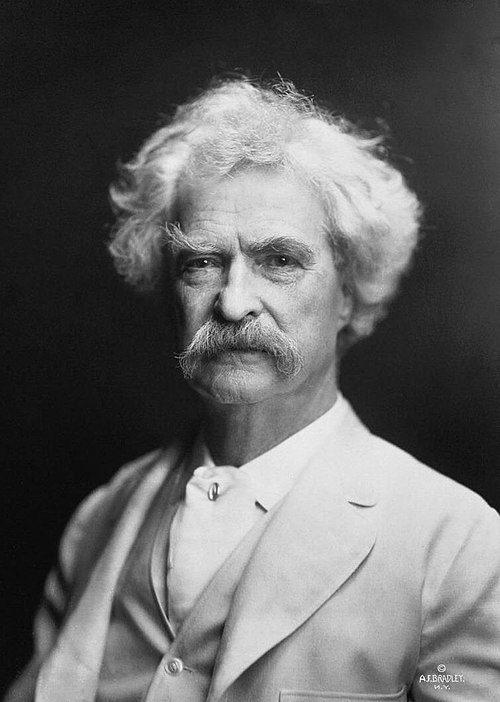
Mark Twain
84Mark Twain was an American writer and humorist, called the "father of American literature", whose novels The Adventures of Tom Sawyer and Adventures of Huckleberry Finn captured the voice of America and remain classics of world literature.
Why The contemporary American novelist often seen as the New World's counterpart to Dickens.

Lev Nikolayevich Tolstoy
92Leo Tolstoy was a Russian novelist and moral philosopher whose epics War and Peace and Anna Karenina rank among the greatest works of fiction, and whose later doctrine of nonviolence influenced Gandhi and King.
Why A fellow giant of the 19th-century novel who admired Dickens's work.
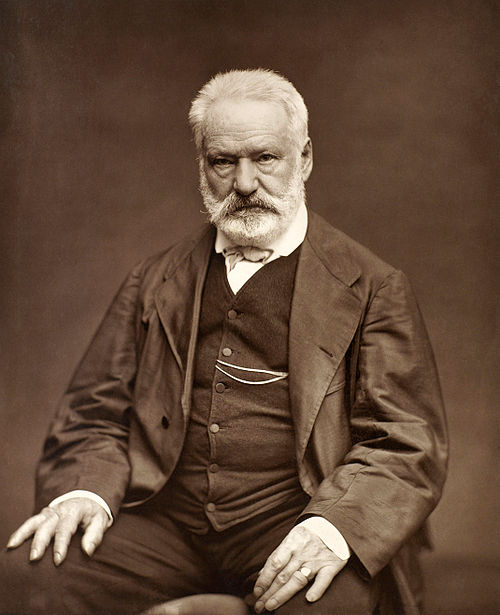
Victor Marie Hugo
89Victor Hugo was a French novelist, poet, and dramatist, the towering figure of French Romanticism, whose novels Les Misérables and The Hunchback of Notre-Dame are monuments of world literature.
Why A French contemporary who, like Dickens, combined great storytelling with social conscience.
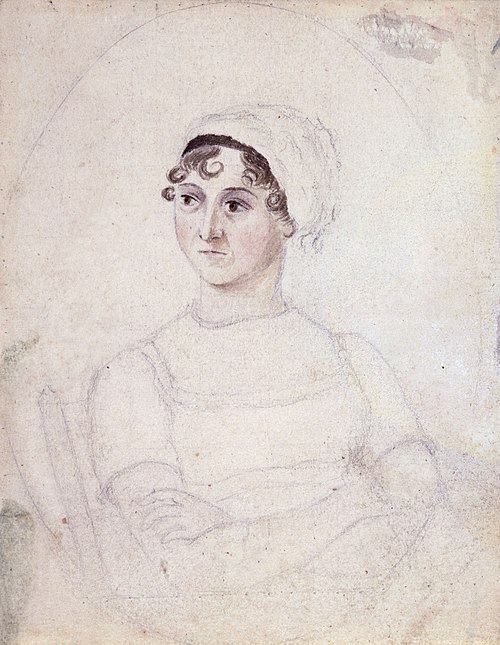
Jane Austen
88Jane Austen was an English novelist whose witty, incisive novels of manners, including Pride and Prejudice and Emma, are masterpieces of English literature and remain enduringly popular.
Why Also a novelist & writer · Active in the same era

Agatha Christie
81Agatha Christie was an English writer, the best-selling novelist of all time, whose ingenious detective stories featuring Hercule Poirot and Miss Marple made her the undisputed "Queen of Crime".
Why Also a novelist & writer · Active in the same era

Aldous Huxley
80Aldous Huxley was an English writer and philosopher whose dystopian novel Brave New World became one of the most influential warnings of the 20th century, imagining a future enslaved not by terror but by pleasure and conditioning.
Why Also a novelist & writer · Active in the same era