Writer · 1899 – 1961
Ernest Hemingway
Key Takeaways
- Hemingway revolutionized fiction with a spare, understated prose style.
- His novels include The Sun Also Rises and A Farewell to Arms.
- He won the Nobel Prize in Literature in 1954.
- His adventurous life — war, bullfighting, big-game hunting — became legendary.
Ernest Hemingway stripped the English sentence to the bone. Out went ornament and explanation; in came short, hard, simple words — and a style that changed 20th-century fiction.
The iceberg
Hemingway believed a story’s deepest meaning should stay hidden beneath the surface, like the unseen bulk of an iceberg. From the “Lost Generation” of The Sun Also Rises to the wartime tragedy of A Farewell to Arms and the lonely struggle of The Old Man and the Sea, he conveyed enormous feeling through restraint. He traced this American voice back to Mark Twain.
A legend in his own right
He lived as boldly as he wrote — an ambulance driver in one war, a correspondent in others, a hunter and fisherman whose persona became as famous as his books. Friend and rival of F. Scott Fitzgerald and an acquaintance of James Joyce in Paris, this writer of the modern era won the Nobel Prize and remains one of the most imitated authors who ever lived.
Influence
Hemingway's stripped-down, suggestive prose changed how fiction was written, his influence visible in writers across the world for the rest of the century.
Legacy
His 'iceberg' style and his larger-than-life persona made him one of the most imitated and recognizable writers of the 20th century.
Major Works
- The Old Man and the Sea
- A Farewell to Arms
- The Sun Also Rises
- For Whom the Bell Tolls
Connections
Frequently Asked Questions
Who was Ernest Hemingway?
Ernest Hemingway (1899–1961) was an American writer known for his spare prose style and works like The Old Man and the Sea, winner of the 1954 Nobel Prize in Literature.
What is The Old Man and the Sea about?
It tells of an aging Cuban fisherman's long, lonely struggle to land a giant marlin, a spare parable of endurance and dignity that helped win Hemingway the Nobel Prize.
Citations & Sources
People Like Ernest
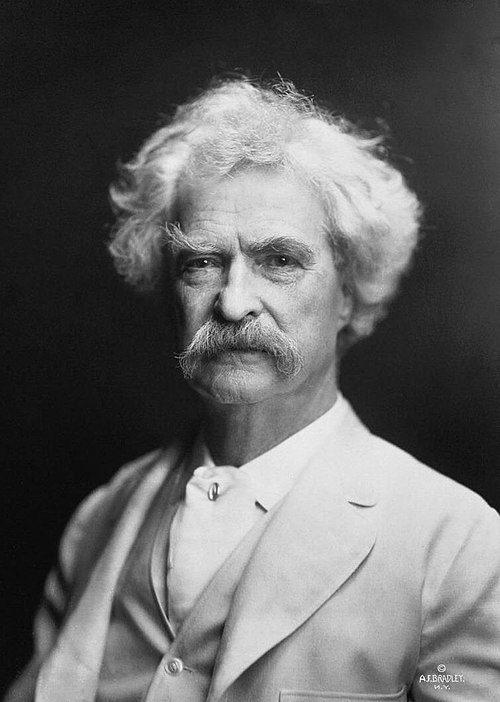
Mark Twain
84Mark Twain was an American writer and humorist, called the "father of American literature", whose novels The Adventures of Tom Sawyer and Adventures of Huckleberry Finn captured the voice of America and remain classics of world literature.
Why Hemingway said all modern American literature came from Twain's Huckleberry Finn.

F. Scott Fitzgerald
80F. Scott Fitzgerald was an American novelist and short-story writer, the great chronicler of the Jazz Age, whose novel The Great Gatsby is often called the quintessential American novel.
Why A friend, rival and fellow chronicler of the 'Lost Generation'.

James Joyce
82James Joyce was an Irish novelist whose experimental masterpiece Ulysses is widely regarded as the greatest novel of the 20th century, and whose innovations in language and stream of consciousness transformed modern literature.
Why A modernist contemporary Hemingway knew during his Paris years.
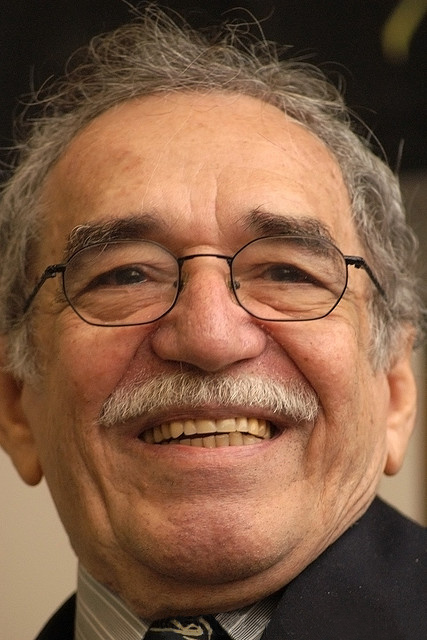
Gabriel García Márquez
81Gabriel García Márquez was a Colombian novelist, the most celebrated figure of Latin American literature, whose masterpiece One Hundred Years of Solitude made magical realism world-famous and won him the Nobel Prize in Literature.
Why Also a novelist & writer · Active in the same era

George Orwell
84George Orwell was an English writer and journalist whose novels Nineteen Eighty-Four and Animal Farm became the defining warnings against totalitarianism, giving the world terms such as "Big Brother", "doublethink" and "Orwellian".
Why Also a novelist & writer · Active in the same era

Herman Melville
80Herman Melville was an American novelist and poet whose Moby-Dick, neglected in his lifetime, is now regarded as one of the greatest novels ever written and a towering achievement of American literature.
Why Also a novelist & writer · Active in the same era