Novelist · 1804 – 1864
Nathaniel Hawthorne
Key Takeaways
- Hawthorne wrote The Scarlet Letter, a landmark of American fiction.
- His work explores guilt, sin and hypocrisy in Puritan New England.
- He brought deep psychological and moral complexity to the novel.
- His ancestors included a judge at the Salem witch trials, which haunted him.
Nathaniel Hawthorne looked into the shadowed heart of America’s Puritan past and found there the great themes of his fiction: sin, guilt, hypocrisy and the secret burdens of conscience.
The Scarlet Letter
His masterpiece, The Scarlet Letter (1850), tells of Hester Prynne, condemned to wear a scarlet “A” for adultery in Puritan Boston. Far more than a tale of scandal, it is a searching study of public shame and private guilt that brought a new psychological depth to the American novel. Hawthorne’s own ancestor had been a judge at the Salem witch trials, and that inherited darkness haunted his work.
A New England circle
Friend of Herman Melville — who dedicated Moby-Dick to him — and neighbour to thinkers like Ralph Waldo Emerson, this novelist of the modern era helped lay the moral and psychological foundations of American fiction.
Influence
Hawthorne gave American fiction its first great psychological and moral depth, his explorations of conscience shaping the novel and influencing Melville and beyond.
Legacy
The Scarlet Letter remains a cornerstone of American literature, a defining study of sin, shame and society.
Major Works
- The Scarlet Letter
- The House of the Seven Gables
- Young Goodman Brown
Connections
Frequently Asked Questions
Who was Nathaniel Hawthorne?
Nathaniel Hawthorne (1804–1864) was an American novelist, author of The Scarlet Letter, whose dark fiction explored sin and guilt in Puritan New England.
What is The Scarlet Letter about?
It tells of Hester Prynne, forced to wear a scarlet 'A' for adultery in Puritan Boston, in a profound study of sin, shame, hypocrisy and conscience.
Citations & Sources
People Like Nathaniel

Herman Melville
80Herman Melville was an American novelist and poet whose Moby-Dick, neglected in his lifetime, is now regarded as one of the greatest novels ever written and a towering achievement of American literature.
Why A close friend who dedicated Moby-Dick to Hawthorne.

Edgar Allan Poe
81Edgar Allan Poe was an American writer and poet, a master of the macabre, who invented the detective story, helped shape the modern short story and science fiction, and gave the world haunting tales and poems such as "The Raven".
Why A contemporary master of dark, symbolic American fiction.

Ralph Waldo Emerson
80Ralph Waldo Emerson was an American essayist, lecturer and poet who led the Transcendentalist movement and, through works such as "Self-Reliance" and "Nature", shaped American thought and called a new national literature into being.
Why A neighbour and leading thinker of the New England literary circle.

Ernest Hemingway
82Ernest Hemingway was an American novelist and short-story writer whose spare, understated prose style revolutionized 20th-century fiction, winning the Nobel Prize in Literature for works such as The Old Man and the Sea.
Why Also a novelist & writer · Active in the same era

F. Scott Fitzgerald
80F. Scott Fitzgerald was an American novelist and short-story writer, the great chronicler of the Jazz Age, whose novel The Great Gatsby is often called the quintessential American novel.
Why Also a novelist & writer · Active in the same era
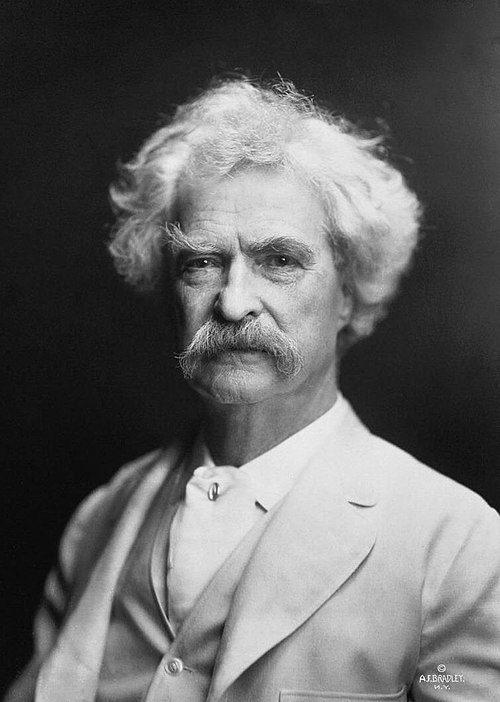
Mark Twain
84Mark Twain was an American writer and humorist, called the "father of American literature", whose novels The Adventures of Tom Sawyer and Adventures of Huckleberry Finn captured the voice of America and remain classics of world literature.
Why Also a novelist & writer · Active in the same era