Historical Figures
An authoritative, deeply-linked database of history's most influential people. Browse 319+ figures by occupation, era, and civilization, or use search to find anyone instantly.
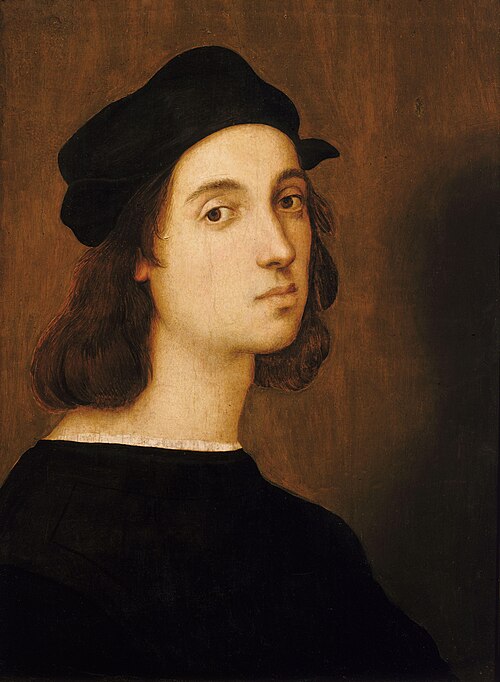
Raffaello Sanzio da Urbino
90Raphael was an Italian painter and architect of the High Renaissance whose works, prized for their harmony and grace, include The School of Athens and a famous series of serene Madonnas.

Ralph Waldo Emerson
80Ralph Waldo Emerson was an American essayist, lecturer and poet who led the Transcendentalist movement and, through works such as "Self-Reliance" and "Nature", shaped American thought and called a new national literature into being.

Ramesses II
84Ramesses II was the most powerful pharaoh of Egypt's New Kingdom, whose 66-year reign brought military campaigns, colossal building projects and a prosperity that earned him the title Ramesses the Great.

Rembrandt Harmenszoon van Rijn
91Rembrandt was a Dutch painter and etcher of the Golden Age, regarded as one of the greatest artists in history, celebrated for The Night Watch, his searching self-portraits, and his mastery of light and shadow.

René Descartes
92René Descartes was a French philosopher, mathematician and scientist, the "father of modern philosophy", famous for "I think, therefore I am" and for founding analytic geometry.

Richard the Lionheart
80Richard the Lionheart was the king of England and a leading commander of the Third Crusade, a warrior-king whose courage and skill in battle against Saladin made him one of the most famous monarchs of the Middle Ages.

Robert Louis Stevenson
79Robert Louis Stevenson was a Scottish writer whose adventure and Gothic tales — Treasure Island, Strange Case of Dr Jekyll and Mr Hyde, and Kidnapped — became enduring classics read around the world.

Robert the Bruce
83Robert the Bruce was the Scottish king who won Scottish independence from England, defeating Edward II's army at the Battle of Bannockburn in 1314 and securing recognition of Scottish sovereignty in the Treaty of Edinburgh-Northampton in 1328.

Rosa Parks
82Rosa Parks was an American civil rights activist whose refusal to give up her bus seat to a white passenger in 1955 sparked the Montgomery Bus Boycott, a pivotal moment in the struggle against racial segregation.

Rosalind Franklin
85Rosalind Franklin was an English chemist and X-ray crystallographer whose images of DNA were crucial to discovering its double-helix structure, a contribution long under-recognized.

Rudyard Kipling
79Rudyard Kipling was a British writer and poet, author of The Jungle Book and the poem "If—", who became the first English-language winner of the Nobel Prize in Literature, though his association with British imperialism has made his legacy contested.

Rumi
81Rumi was a 13th-century Persian poet and Sufi mystic whose ecstatic verse on divine love became some of the most beloved poetry in the world and made him, centuries later, one of the most widely read poets in the West.

Saint Paul
93Saint Paul was the Jewish-Roman apostle whose missionary journeys spread Christianity across the Roman Empire, whose theological letters form a third of the New Testament, and who shaped Christian doctrine more than any other figure after Jesus of Nazareth.

Saladin
86Saladin was a Kurdish Muslim sultan who founded the Ayyubid dynasty, united Egypt and Syria, and famously recaptured Jerusalem from the Crusaders, earning renown even among his enemies for his chivalry.
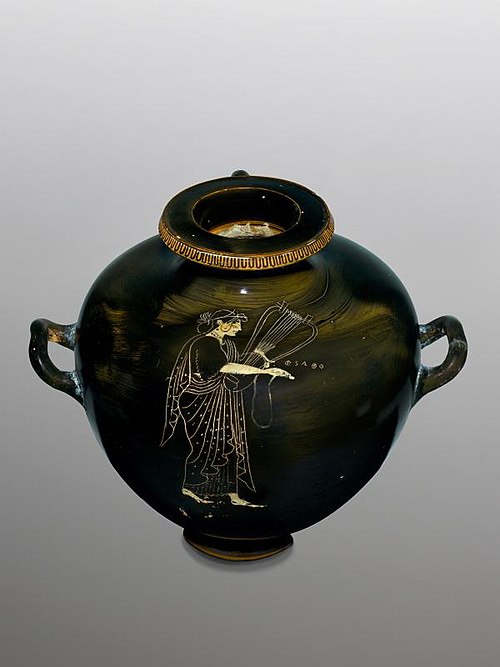
Sappho
78Sappho was an ancient Greek lyric poet from the island of Lesbos, celebrated in antiquity as one of the greatest of all poets and revered for her intimate, intensely personal verse on love and longing.

Scipio Africanus
81Scipio Africanus was a Roman general who defeated Hannibal at the Battle of Zama to win the Second Punic War, one of the greatest commanders of antiquity and the savior of the Roman Republic in its darkest hour.

Shaka Zulu
80Shaka Zulu was the founder and greatest king of the Zulu Kingdom, a military revolutionary whose new tactics and weapons transformed warfare in southern Africa and forged a small clan into a powerful nation.

Shivaji
80Shivaji was the warrior-king who founded the Maratha Empire in western India, a brilliant guerrilla commander who challenged the mighty Mughal Empire and built a state celebrated for its administration and naval power.

Siddhartha Gautama
97Siddhartha Gautama, known as the Buddha, was a spiritual teacher of ancient India whose insights into suffering and liberation founded Buddhism, now one of the world's major religions.
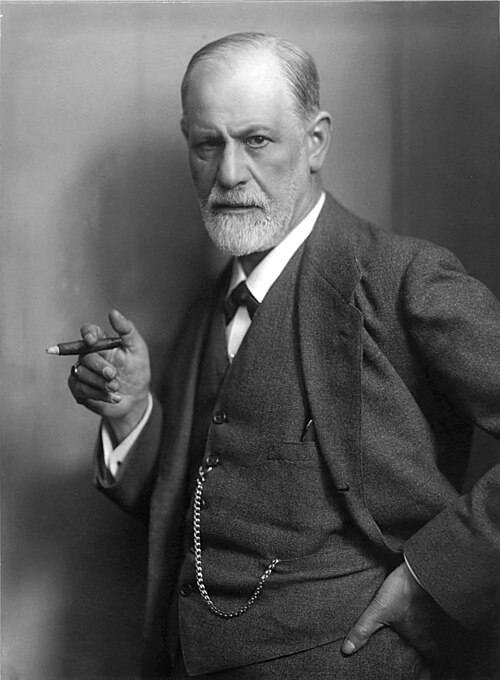
Sigmund Freud
86Sigmund Freud was an Austrian neurologist who founded psychoanalysis, a revolutionary theory and therapy of the unconscious mind whose ideas about dreams, sexuality and the self transformed psychology, medicine and modern culture.

Simón Bolívar
88Simón Bolívar was the South American general and statesman who liberated six nations from Spanish colonial rule, earning the title El Libertador and shaping the independence of Venezuela, Colombia, Ecuador, Peru, Panama, and Bolivia.

Sitting Bull
84Sitting Bull was the Hunkpapa Lakota chief and holy man who united the Sioux nations against American expansion, led the coalition that defeated Custer at the Little Bighorn in 1876, and became a symbol of Native American resistance to US conquest.

Socrates
95Socrates was a classical Greek philosopher credited as a founder of Western philosophy, famous for the Socratic method of questioning and for his trial and execution in Athens.

Sojourner Truth
85Sojourner Truth was the American abolitionist and women's rights activist who escaped slavery and became one of the most powerful orators of the 19th century, famous for her "Ain't I a Woman?" speech challenging the intersection of race and gender oppression.