Historical Figures
An authoritative, deeply-linked database of history's most influential people. Browse 319+ figures by occupation, era, and civilization, or use search to find anyone instantly.

Nicolaus Copernicus
93Nicolaus Copernicus was a Renaissance astronomer who formulated the heliocentric model placing the Sun, not the Earth, at the center of the universe — a revolution in human thought.

Niels Bohr
90Niels Bohr was a Danish physicist who created the first quantum model of the atom and became a leading architect of quantum mechanics through the Copenhagen interpretation.

Nikola Tesla
90Nikola Tesla was a Serbian-American inventor and electrical engineer whose pioneering work on alternating current and electromagnetism helped electrify the modern world.

Nzinga of Matamba
83Nzinga of Matamba was the 17th-century queen of Ndongo and Matamba (in modern Angola) who resisted Portuguese colonial expansion for decades through military force and diplomacy, becoming one of Africa's greatest rulers and a symbol of anti-colonial resistance.
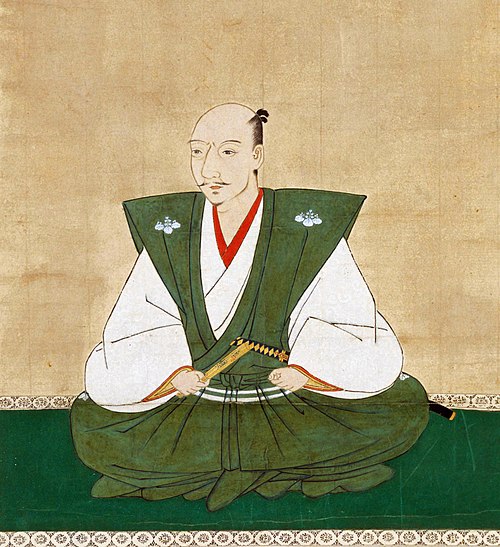
Oda Nobunaga
81Oda Nobunaga was the warlord who began the unification of Japan, a ruthless and innovative military leader who broke the power of rival lords and the warrior monks and embraced firearms and new tactics before his betrayal and death.
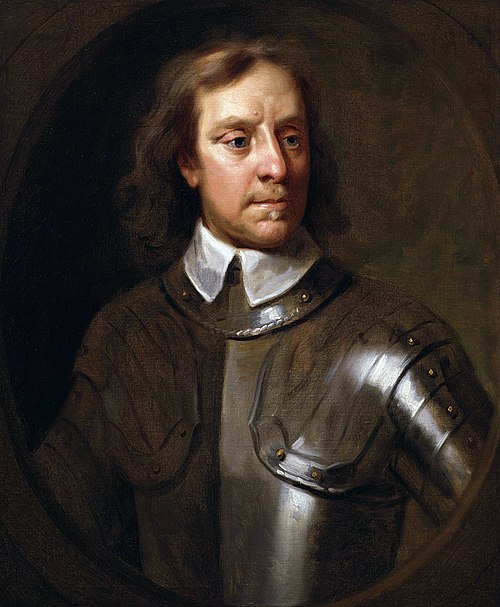
Oliver Cromwell
81Oliver Cromwell was the English military and political leader who helped overthrow and execute King Charles I in the English Civil War, then ruled England as Lord Protector in its only period as a republic — a deeply divisive figure ever since.

Omar Khayyam
79Omar Khayyam was a Persian polymath of the Islamic Golden Age — a leading mathematician and astronomer — who is remembered in the West above all for the Rubaiyat, a collection of quatrains on life, fate and pleasure.

Oscar Wilde
81Oscar Wilde was an Irish writer and wit, one of the most celebrated playwrights of late-Victorian London, whose sparkling comedies, the novel The Picture of Dorian Gray, and famous epigrams made him a legend — before a scandalous trial destroyed his career.

Otto von Bismarck
89Otto von Bismarck was the Prussian statesman who unified the German states into the German Empire in 1871, serving as its first chancellor and reshaping the balance of power in Europe through ruthless realpolitik and diplomatic mastery.

Ovid
82Ovid was a Roman poet of the Augustan age whose Metamorphoses, a sweeping collection of mythological tales, became one of the most influential works of classical literature on later Western art and poetry.
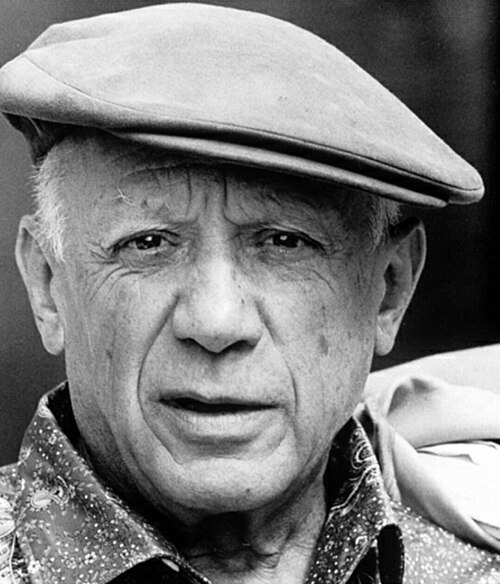
Pablo Picasso
94Pablo Picasso was a Spanish painter and sculptor who co-founded Cubism and ranks among the most influential and prolific artists of the twentieth century, creating works such as Guernica and Les Demoiselles d'Avignon.

Percy Bysshe Shelley
79Percy Bysshe Shelley was an English Romantic poet, among the greatest lyric poets in the language, whose visionary and politically radical verse — including Ozymandias and Prometheus Unbound — influenced generations of poets and reformers.

Pericles
84Pericles was an Athenian statesman who led the city during its golden age, strengthening its democracy, building the Parthenon and championing the arts, in an era so brilliant it is often called the Age of Pericles.

Peter the Great
85Peter the Great was the Russian tsar who transformed Russia into a major European power, modernizing its army, government and society along Western lines and founding the new capital of Saint Petersburg.

Philip II of Macedon
82Philip II of Macedon was the king who transformed Macedon into the dominant power of Greece, reforming its army into a fearsome military machine and laying the foundations for the conquests of his son, Alexander the Great.
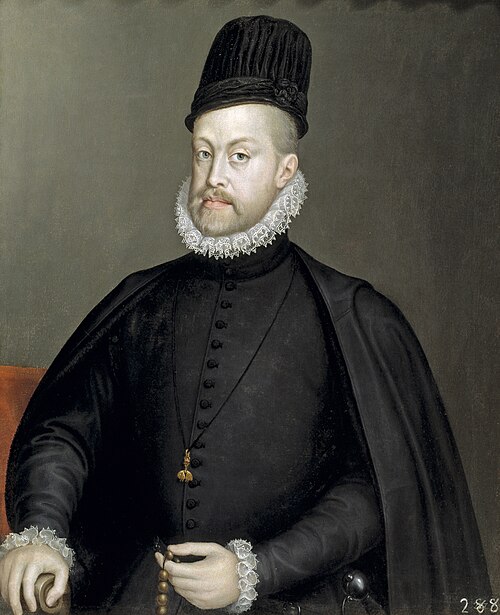
Philip II of Spain
83Philip II was the king of Spain who ruled the first global empire "on which the sun never set", a devout and powerful monarch whose reign marked the height of Spanish power, the defense of Catholicism, and the famous defeat of the Spanish Armada.

Plato
96Plato was a Greek philosopher who founded the Academy in Athens, wrote the foundational dialogues of Western philosophy, and developed the influential theory of Forms.

Plutarch
80Plutarch was a Greek philosopher and biographer of the Roman era whose Parallel Lives paired famous Greeks and Romans and became one of the most read and influential works of biography in history.

Pompey
80Pompey the Great was a Roman general and statesman, one of the leading figures of the late Republic, whose conquests in the East made him Rome's greatest soldier before he was defeated by Julius Caesar in a civil war that ended the Republic.
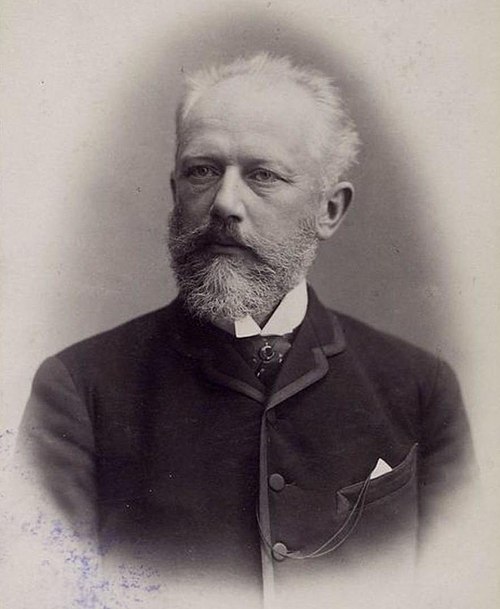
Pyotr Ilyich Tchaikovsky
89Pyotr Ilyich Tchaikovsky was a Russian Romantic composer whose richly emotional music — including the ballets Swan Lake and The Nutcracker and the 1812 Overture — made him one of the most popular and widely performed composers in the world.

Pythagoras
90Pythagoras was an ancient Greek mathematician and philosopher who founded the Pythagorean school and is remembered for the Pythagorean theorem and the idea that number underlies the cosmos.

Qin Shi Huang
92Qin Shi Huang was the founder of the Qin dynasty and the first emperor of a unified China, who standardized the state, began the Great Wall, and built the Terracotta Army.

Queen Victoria
85Queen Victoria was the longest-reigning British monarch of her era, who presided over the height of the British Empire and the Victorian age of industrialization, reform, and global expansion, becoming a grandmother to most of Europe's royal houses.

Rabindranath Tagore
81Rabindranath Tagore was a Bengali poet, writer, composer and polymath who reshaped Indian literature and music and, in 1913, became the first non-European to win the Nobel Prize in Literature.