Queen · 1583 – 1663
Nzinga of Matamba
Key Takeaways
- Nzinga ruled the kingdoms of Ndongo and Matamba in modern-day Angola.
- She led a forty-year resistance against Portuguese colonial expansion.
- She was a skilled diplomat who negotiated directly with Portuguese governors.
- She is a national hero of Angola and a symbol of African resistance to colonialism.
Nzinga of Matamba spent forty years refusing to submit to a colonial power that had come to enslave her people — and for much of that time, she succeeded. She was a ruler, warrior, diplomat, and strategist whose resistance shaped the history of Central Africa.
The negotiator and the warrior
Nzinga first appears in history as a diplomatic envoy sent by her brother, king of Ndongo, to negotiate with the Portuguese in 1622. At the meeting the Portuguese governor offered her no chair — a deliberate insult of subordination. She reportedly had one of her attendants kneel and used him as her seat, refusing the implied hierarchy. She then negotiated skillfully. When her brother was overthrown and killed, she seized power and ruled, spending the following decades alternating between military resistance — including guerrilla warfare and alliances with Dutch forces — and strategic diplomacy.
The enduring queen
She ruled Matamba until she was over eighty, outliving Portuguese governors, Dutch allies, and African rivals alike. She converted to Christianity strategically, took the name Ana de Sousa, and negotiated formal Portuguese recognition of her sovereignty. She died in 1663 having protected her kingdom for four decades against a colonial power that had overrun much of the region. Today her image is on Angolan banknotes and her statue stands in Luanda — a country’s memory of the woman who refused to let it be erased.
Ruled the kingdoms of Ndongo and Matamba, led a decades-long resistance against Portuguese colonialism and the slave trade, negotiated directly with Portuguese governors, built military alliances, and protected her people's sovereignty for forty years.
Military Feats
- Led guerrilla warfare against Portuguese forces for decades.
- Formed alliances with Dutch forces against Portugal.
- Organized and commanded her own armies.
Political Achievements
- Negotiated directly with Portuguese governors as an equal — famously sitting on a human throne when no chair was offered.
- Created the kingdom of Matamba as a base for resistance and resettlement.
- Secured advantageous treaties that protected her people's freedom.
Historical influence score: 83/100
Influence
Nzinga's decades of resistance significantly slowed Portuguese colonization of Central Africa and established political traditions of resistance that echoed across later anti-colonial movements.
Legacy
A national hero of Angola, her image appears on the national currency. She is increasingly recognized internationally as one of the great African rulers and resistance leaders.
Little-Known Facts
- At her first negotiation with the Portuguese governor (1622), when no chair was provided for her, she reportedly had a servant kneel and used him as a throne — refusing to be put at a disadvantage.
- She converted to Christianity strategically, taking the name Ana de Sousa, to gain Portuguese recognition of her sovereignty.
Myths & Misconceptions
Was Nzinga always opposed to the Portuguese?
Her relationship with Portugal was complex — she negotiated with them, converted to Christianity strategically, and sought alliances. Her resistance was pragmatic rather than purely ideological, aimed at protecting her people's sovereignty and freedom from enslavement.
Connections
Frequently Asked Questions
Who was Nzinga of Matamba?
Nzinga of Matamba (c. 1583–1663) was the queen of Ndongo and Matamba in modern Angola who led a forty-year resistance against Portuguese colonialism, becoming one of Africa's greatest rulers and anti-colonial symbols.
Citations & Sources
People Like Nzinga

Shaka Zulu
80Shaka Zulu was the founder and greatest king of the Zulu Kingdom, a military revolutionary whose new tactics and weapons transformed warfare in southern Africa and forged a small clan into a powerful nation.
Why A fellow African ruler who built military power to resist external threats to African sovereignty.

Mansa Musa
82Mansa Musa was the ruler of the Mali Empire at its height in the 14th century, remembered as one of the wealthiest individuals in history and famed for a lavish pilgrimage to Mecca that announced West Africa's riches to the world.
Why An earlier African ruler whose wealth and power demonstrated the deep complexity and strength of African kingdoms.

Simón Bolívar
88Simón Bolívar was the South American general and statesman who liberated six nations from Spanish colonial rule, earning the title El Libertador and shaping the independence of Venezuela, Colombia, Ecuador, Peru, Panama, and Bolivia.
Why A later figure in the Atlantic world who, like Nzinga, built resistance movements against colonial powers.

Boudicca
80Boudicca was the queen of the Iceni tribe who led a major uprising against Roman rule in Britain around 60–61 CE, sacking Camulodunum, Londinium, and Verulamium before being defeated by the Roman governor Paulinus.
Why Also a queen & military leader · Comparable historical impact

Haile Selassie I
85Haile Selassie was the Emperor of Ethiopia who modernized his country, became the symbol of African resistance to European colonialism after surviving Mussolini's invasion, championed African unity at the UN and as founder of the African Union, and is venerated as a messiah by the Rastafari movement.
Why Also a diplomat · Comparable historical impact
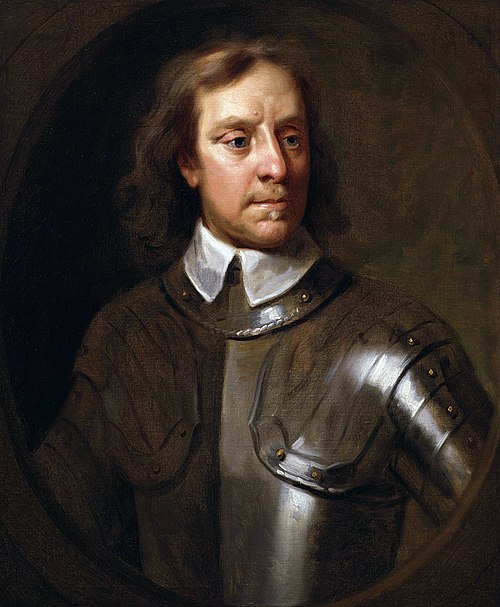
Oliver Cromwell
81Oliver Cromwell was the English military and political leader who helped overthrow and execute King Charles I in the English Civil War, then ruled England as Lord Protector in its only period as a republic — a deeply divisive figure ever since.
Why Also a military leader · Active in the same era