Queen · 1583 – 1663
Nzinga of Matamba
If you're interested in Nzinga of Matamba, these historical figures share a similar impact, discipline, philosophy, or era. Each recommendation explains why the connection exists.
Similar Impact & Significance

Shaka Zulu
80Shaka Zulu was the founder and greatest king of the Zulu Kingdom, a military revolutionary whose new tactics and weapons transformed warfare in southern Africa and forged a small clan into a powerful nation.
Why A fellow African ruler who built military power to resist external threats to African sovereignty.

Mansa Musa
82Mansa Musa was the ruler of the Mali Empire at its height in the 14th century, remembered as one of the wealthiest individuals in history and famed for a lavish pilgrimage to Mecca that announced West Africa's riches to the world.
Why An earlier African ruler whose wealth and power demonstrated the deep complexity and strength of African kingdoms.

Simón Bolívar
88Simón Bolívar was the South American general and statesman who liberated six nations from Spanish colonial rule, earning the title El Libertador and shaping the independence of Venezuela, Colombia, Ecuador, Peru, Panama, and Bolivia.
Why A later figure in the Atlantic world who, like Nzinga, built resistance movements against colonial powers.

Boudicca
80Boudicca was the queen of the Iceni tribe who led a major uprising against Roman rule in Britain around 60–61 CE, sacking Camulodunum, Londinium, and Verulamium before being defeated by the Roman governor Paulinus.
Why Also a queen & military leader · Comparable historical impact

Haile Selassie I
85Haile Selassie was the Emperor of Ethiopia who modernized his country, became the symbol of African resistance to European colonialism after surviving Mussolini's invasion, championed African unity at the UN and as founder of the African Union, and is venerated as a messiah by the Rastafari movement.
Why Also a diplomat · Comparable historical impact

Catherine de' Medici
84Catherine de' Medici was the Italian-born queen consort and regent of France who governed the kingdom through three of her sons' reigns, navigated the devastating Wars of Religion between Catholics and Huguenots, and shaped French politics for thirty years.
Why Also a diplomat · Comparable historical impact

Cleopatra VII
90Cleopatra VII was the last active ruler of the Ptolemaic Kingdom of Egypt, a shrewd and learned monarch whose alliances with Julius Caesar and Mark Antony placed her at the center of Roman politics.
Why Also a queen · Comparable historical impact

Eleanor of Aquitaine
86Eleanor of Aquitaine was the most powerful woman of 12th-century Europe — queen of France, then queen of England, mother of Richard the Lionheart and King John, patron of troubadour culture, and crusader — who wielded political power across seven decades.
Why Also a queen · Comparable historical impact

Eleanor Roosevelt
88Eleanor Roosevelt was the longest-serving First Lady of the United States, a human rights champion who chaired the UN commission that drafted the Universal Declaration of Human Rights, and redefined the role of first lady as an independent political force.
Why Also a diplomat · Comparable historical impact

Elizabeth I
89Elizabeth I was Queen of England from 1558 to 1603, whose long and stable reign — the Elizabethan era — saw a golden age of culture, the defeat of the Spanish Armada, and England's rise as a sea power.
Why Also a queen · Comparable historical impact

Geronimo
81Geronimo was the Apache leader whose decade-long guerrilla resistance against the United States and Mexico made him the most feared and pursued Native American fighter of the 19th century, requiring 5,000 US troops to finally capture 38 warriors.
Why Also a military leader · Comparable historical impact

Gjergj Kastrioti Skanderbeg
81Skanderbeg was the Albanian nobleman who defected from the Ottoman army, united the Albanian princes, and defended Albania against three decades of Ottoman campaigns — becoming the symbol of Albanian national identity and a celebrated Christian hero across 15th-century Europe.
Why Also a military leader · Comparable historical impact

Hatshepsut
83Hatshepsut was one of the few women to rule ancient Egypt as pharaoh in her own right, a peaceful and prosperous reign marked by ambitious building projects and far-reaching trade.
Why Also a queen · Comparable historical impact

Joan of Arc
85Joan of Arc was a peasant girl who, believing herself guided by divine visions, led French forces to crucial victories in the Hundred Years' War before being captured, tried and burned at the stake — and later made a saint.
Why Also a military leader · Comparable historical impact
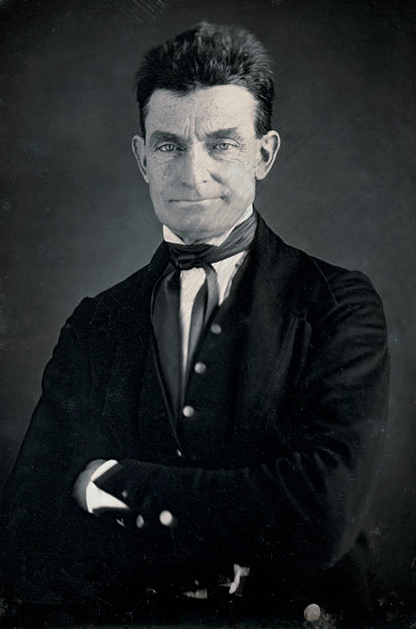
John Brown
81John Brown was the American abolitionist who believed that slavery could only be ended by armed violence, led the raid on the federal arsenal at Harpers Ferry in 1859, was hanged for treason, and became the most polarizing and prophetic figure of the American antislavery movement.
Why Also a military leader · Comparable historical impact

Mary Queen of Scots
82Mary Queen of Scots was the queen of Scotland and briefly queen of France whose Catholic faith, claim to the English throne, and tragic fate made her the central figure in the religious and political struggles of 16th-century Britain — executed by her cousin Elizabeth I after nineteen years of imprisonment.
Why Also a queen · Comparable historical impact

Nefertiti
79Nefertiti was an Egyptian queen, principal wife of the pharaoh Akhenaten, who wielded unusual power during his religious revolution and whose painted limestone bust is one of the most admired images of the ancient world.
Why Also a queen · Comparable historical impact

Sitting Bull
84Sitting Bull was the Hunkpapa Lakota chief and holy man who united the Sioux nations against American expansion, led the coalition that defeated Custer at the Little Bighorn in 1876, and became a symbol of Native American resistance to US conquest.
Why Also a military leader · Comparable historical impact

Tecumseh
83Tecumseh was the Shawnee leader who built the largest Native American confederacy in history to resist US expansion, allied with the British in the War of 1812, and was killed at the Battle of the Thames — becoming the greatest pan-Indian leader America ever faced.
Why Also a military leader · Comparable historical impact

Tipu Sultan
80Tipu Sultan was the ruler of the Kingdom of Mysore who became Britain's most formidable adversary in 18th-century India, fighting four Anglo-Mysore Wars and pioneering the use of rockets in warfare before dying in battle defending his capital.
Why Also a military leader · Comparable historical impact

Vercingetorix
79Vercingetorix was the Gallic chieftain who united the tribes of Gaul in a great revolt against Julius Caesar's Roman conquest in 52 BCE, nearly defeating him at the siege of Gergovia before being captured at Alesia and executed in Rome.
Why Also a military leader · Comparable historical impact

Abu'l-Fath Jalal-ud-din Muhammad Akbar
88Akbar was the third Mughal emperor, who expanded the empire across much of the Indian subcontinent and is remembered for his administrative reforms, religious tolerance and patronage of the arts during a long and powerful reign.
Why Also a military leader · Comparable historical impact
Same Field or Discipline
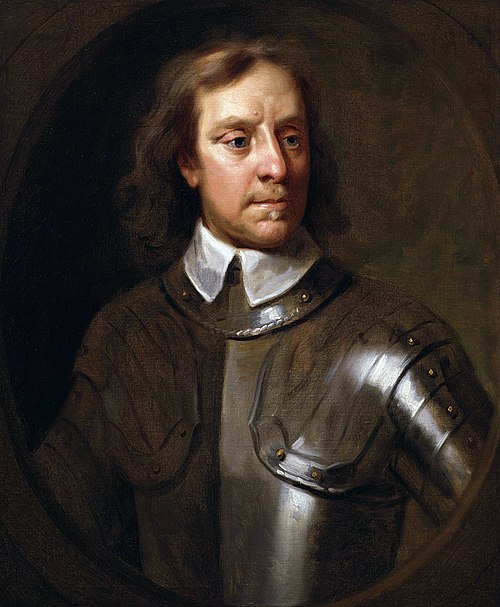
Oliver Cromwell
81Oliver Cromwell was the English military and political leader who helped overthrow and execute King Charles I in the English Civil War, then ruled England as Lord Protector in its only period as a republic — a deeply divisive figure ever since.
Why Also a military leader · Active in the same era
Sundiata Keita
80Sundiata Keita was the founder of the Mali Empire, a warrior-prince who overcame disability and exile to defeat his rivals and unite the Mandinka peoples, creating the West African empire later made famous by Mansa Musa.
Why Also a military leader · From the same civilization