Statesman · 1599 – 1658
Oliver Cromwell
Key Takeaways
- Cromwell led the Parliamentary army to victory in the English Civil War.
- He was central to the trial and execution of King Charles I.
- He ruled England as Lord Protector, its only republican period.
- He remains one of the most controversial figures in British history.
Oliver Cromwell did something almost unthinkable in his age: he helped put a king on trial and cut off his head. From a country gentleman he rose to lead a revolution and rule England as Lord Protector — and he has divided opinion ever since.
The Civil War
When civil war broke out between King Charles I and Parliament, Cromwell emerged as a brilliant cavalry commander, helping forge the disciplined New Model Army that won the war. Convinced of his cause and his God, he became central to the trial and execution of Charles I in 1649 — the only time an English king has been put to death by his own subjects.
Lord Protector
England became a republic, the Commonwealth, and Cromwell came to rule it as Lord Protector, served by men like the poet John Milton. He conquered Ireland and Scotland — his Irish campaign remembered there with lasting bitterness — but refused the crown when it was offered. A soldier-statesman of the Baroque era who rose through upheaval much as Napoleon later would, Cromwell remains one of history’s most fiercely debated figures.
Influence
Cromwell's rise showed that even a king could be brought down, and his rule left a permanent mark on debates about monarchy, republic and power in Britain.
Legacy
Hero to some as a champion of liberty and villain to others as a regicide and conqueror, he remains one of history's most debated leaders.
Controversies
- His brutal campaign in Ireland is remembered there with lasting bitterness.
- He signed the death warrant of a king, an act that still divides opinion.
Connections
Frequently Asked Questions
Who was Oliver Cromwell?
Oliver Cromwell (1599–1658) was an English military and political leader who helped overthrow Charles I and ruled England as Lord Protector during its republican Commonwealth.
What did Cromwell do in the English Civil War?
He rose as a cavalry commander, helped build the New Model Army, led Parliament's forces to victory, and was central to the trial and execution of King Charles I.
Citations & Sources
People Like Oliver

John Milton
83John Milton was an English poet and political writer of the 17th century whose epic Paradise Lost is considered the greatest long poem in the English language and one of the supreme achievements of world literature.
Why The poet who served as a propagandist and official for Cromwell's republican government.

Elizabeth I
89Elizabeth I was Queen of England from 1558 to 1603, whose long and stable reign — the Elizabethan era — saw a golden age of culture, the defeat of the Spanish Armada, and England's rise as a sea power.
Why An earlier English ruler against whose monarchy Cromwell's republic was a radical departure.

Napoleon Bonaparte
94Napoleon Bonaparte was a French military and political leader who rose during the French Revolution, crowned himself Emperor, and dominated European affairs for over a decade.
Why A later figure who, like Cromwell, rose through revolution to rule as a soldier-statesman.

Charles Martel
81Charles Martel was the Frankish military leader who halted the Muslim advance into Western Europe at the Battle of Tours in 732, laying the foundations of the Carolingian dynasty that his grandson Charlemagne would raise to empire.
Why Also a military leader & statesman · Comparable historical impact
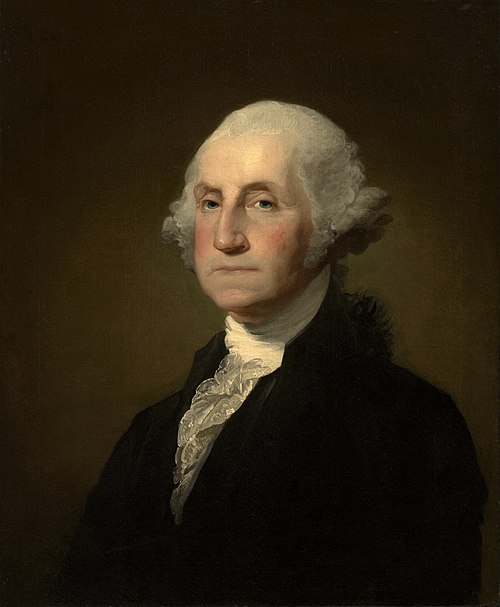
George Washington
91George Washington was the commander of the Continental Army in the American Revolution and the first President of the United States, whose leadership and restraint shaped the new republic.
Why Also a statesman & military leader · Comparable historical impact
Suleiman I
90Suleiman the Magnificent was the longest-reigning sultan of the Ottoman Empire, who led it to the height of its power through military conquest, legal reform and a brilliant flowering of art and architecture.
Why Also a ruler & military leader · Comparable historical impact