Chief · 1831 – 1890
Sitting Bull
Key Takeaways
- Sitting Bull united the Sioux and Northern Cheyenne nations against American expansion.
- His coalition destroyed Custer's 7th Cavalry at the Little Bighorn in 1876.
- He retreated to Canada rather than surrender, returning only when his people were starving.
- He was killed by Indian police during the Ghost Dance movement crisis in 1890.
Sitting Bull won the greatest Native American military victory against the United States Army — and watched the result accelerate the destruction of everything he had fought to protect. His life is a tragedy of extraordinary courage against overwhelming odds.
Little Bighorn
By the mid-1870s the discovery of gold in the Black Hills had brought American miners onto Sioux treaty land, and the US government demanded the Lakota abandon the territory. Sitting Bull refused and organized a massive coalition of Sioux and Northern Cheyenne nations. In June 1876, Lieutenant Colonel George Armstrong Custer led the 7th Cavalry into the Little Bighorn Valley. Sitting Bull had conducted a prophetic Sun Dance vision that predicted a great victory. Custer attacked the largest Native American encampment in history. In an hour, his force of 210 men was annihilated.
After the victory
The US Army’s response was massive and methodical. Sitting Bull retreated to Canada rather than submit; he returned in 1881 only when his people were starving. He refused to sign away Sioux land, briefly toured with Buffalo Bill’s Wild West Show, and continued to resist. In 1890, the Ghost Dance movement — a spiritual revival promising the return of the buffalo and the ancestors — spread across the reservations. Government officials, fearing an uprising, sent Indian police to arrest Sitting Bull. He was killed in the confrontation on 15 December 1890. Two weeks later, at Wounded Knee, the world he had fought for was finally extinguished.
United the Sioux and Cheyenne nations, led the coalition that annihilated Custer's 7th Cavalry at the Little Bighorn (1876), resisted reservation life, performed in Buffalo Bill's Wild West Show, and was killed during the Ghost Dance crisis.
Military Feats
- Organized and led the Sioux-Cheyenne coalition at the Little Bighorn (1876).
- Led raids and defensive battles against US forces throughout the 1870s.
- Directed the strategy that lured Custer into the ambush at Little Bighorn.
Historical influence score: 84/100
Influence
Sitting Bull's victory at Little Bighorn was the greatest Native American military victory against the US Army, but it accelerated rather than halted American expansion — the army's response destroyed the way of life he had fought to preserve.
Legacy
An enduring symbol of Native American resistance, sovereignty, and dignity, his image represents both the tragedy of conquest and the strength of resistance — one of the most recognizable figures in American history.
Controversies
- American authorities viewed him as an obstructionist who prevented peaceful settlement.
- His role in the Ghost Dance movement led directly to the Wounded Knee Massacre.
Little-Known Facts
- He performed with Buffalo Bill Cody's Wild West Show in 1885, briefly becoming a celebrity in American culture even as his people lost their land.
- He distributed all his show earnings to the poor children he saw in eastern cities, reportedly saying: 'The white man knows how to make everything, but he does not know how to distribute it.'
Myths & Misconceptions
Did Sitting Bull personally fight at Little Bighorn?
He led the spiritual preparation for the battle, including the Sun Dance vision that predicted victory, but did not personally fight — his role was as leader and holy man, not as a warrior in the final battle.
Connections
Frequently Asked Questions
Who was Sitting Bull?
Sitting Bull (c. 1831–1890) was the Hunkpapa Lakota chief who united the Sioux nations, led the coalition that defeated Custer at Little Bighorn in 1876, and became the defining symbol of Native American resistance to American expansion.
Citations & Sources
People Like Sitting

Geronimo
81Geronimo was the Apache leader whose decade-long guerrilla resistance against the United States and Mexico made him the most feared and pursued Native American fighter of the 19th century, requiring 5,000 US troops to finally capture 38 warriors.
Why A contemporary Apache leader who similarly led armed resistance against US expansion in the Southwest.
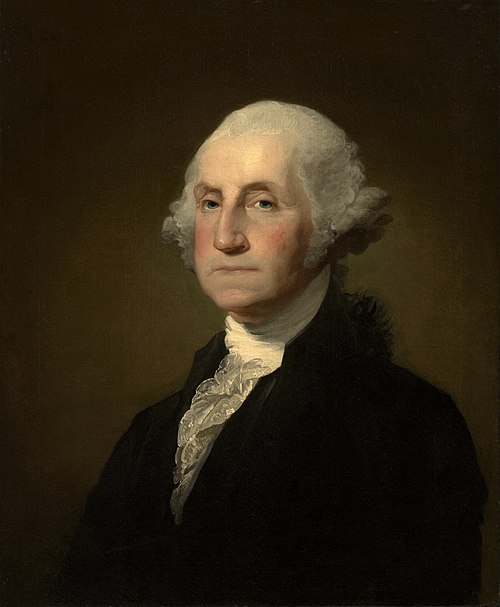
George Washington
91George Washington was the commander of the Continental Army in the American Revolution and the first President of the United States, whose leadership and restraint shaped the new republic.
Why The American founder whose nation's westward expansion created the frontier wars in which Sitting Bull resisted.

Nelson Mandela
92Nelson Mandela was a South African anti-apartheid revolutionary and statesman who, after 27 years in prison, became the country's first democratically elected president and a global symbol of reconciliation.
Why A later figure who similarly led resistance against a dominant power and was imprisoned, becoming a symbol of the struggle for his people's rights.

Tecumseh
83Tecumseh was the Shawnee leader who built the largest Native American confederacy in history to resist US expansion, allied with the British in the War of 1812, and was killed at the Battle of the Thames — becoming the greatest pan-Indian leader America ever faced.
Why Also a military leader & chief · Active in the same era
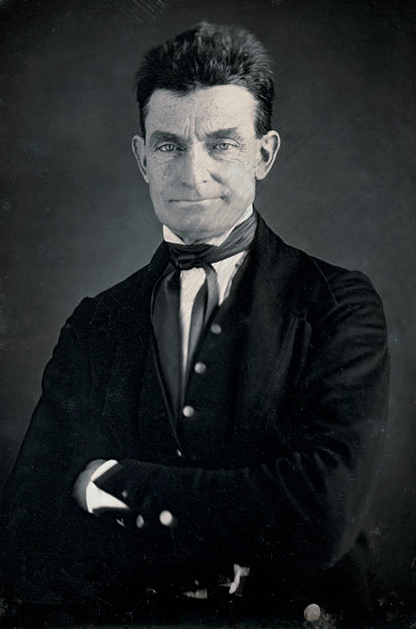
John Brown
81John Brown was the American abolitionist who believed that slavery could only be ended by armed violence, led the raid on the federal arsenal at Harpers Ferry in 1859, was hanged for treason, and became the most polarizing and prophetic figure of the American antislavery movement.
Why Also a military leader · Active in the same era

Alexander Hamilton
87Alexander Hamilton was the American Founding Father who designed the United States financial system, co-wrote the Federalist Papers, founded the first national bank, served as the first Secretary of the Treasury, and was killed in a duel by Vice President Aaron Burr in 1804.
Why Also a military leader · Active in the same era