Activist · 1913 – 2005
Rosa Parks
Key Takeaways
- In 1955 Rosa Parks refused to give up her bus seat to a white passenger in Montgomery, Alabama.
- Her arrest sparked the year-long Montgomery Bus Boycott.
- The boycott helped launch the modern American civil rights movement.
- She is remembered as "the mother of the civil rights movement".
On 1 December 1955, a seamstress in Montgomery, Alabama, refused to give up her bus seat to a white passenger. That single act of dignity by Rosa Parks helped set the modern civil rights movement in motion.
The spark in Montgomery
Parks was no accidental protester — she was a seasoned activist with the NAACP. Her arrest under America’s segregation laws galvanized the Black community of Montgomery, who launched a boycott of the city’s buses that lasted over a year and ended only when the Supreme Court struck down bus segregation.
Mother of a movement
The boycott propelled a young minister, Martin Luther King Jr., to national leadership and showed the power of organized nonviolent protest. Standing in a line of resistance that reached back to Frederick Douglass and Harriet Tubman, this quietly determined activist of the modern era became known as “the mother of the civil rights movement”.
Influence
Parks's quiet act of defiance helped ignite a mass movement that dismantled legal segregation in the United States.
Legacy
Known as 'the mother of the civil rights movement', she became one of the most honoured figures in American history.
Connections
Frequently Asked Questions
Who was Rosa Parks?
Rosa Parks (1913–2005) was an American civil rights activist whose 1955 refusal to give up her bus seat sparked the Montgomery Bus Boycott.
Why is Rosa Parks important?
Her act of resistance launched the Montgomery Bus Boycott and helped ignite the modern civil rights movement against racial segregation.
Citations & Sources
People Like Rosa
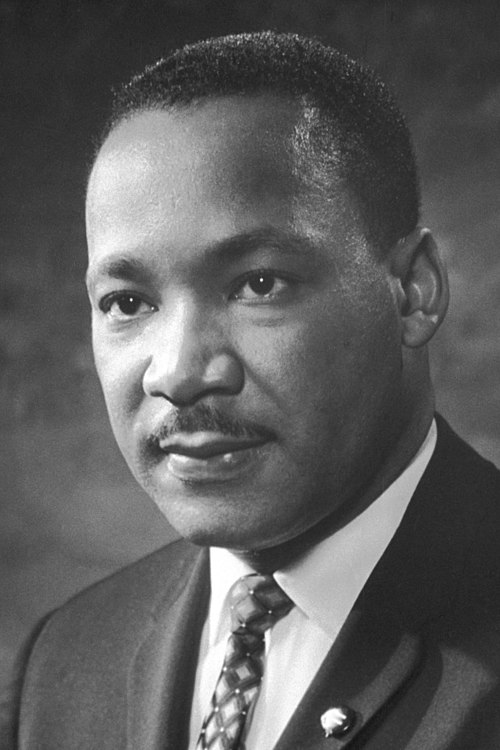
Martin Luther King Jr.
95Martin Luther King Jr. was an American Baptist minister and civil rights leader who championed nonviolent resistance to racial injustice and became the most prominent voice of the movement for equality in the United States.
Why King rose to national prominence leading the Montgomery Bus Boycott that Parks sparked.

Frederick Douglass
84Frederick Douglass was an American abolitionist, orator and writer who escaped slavery to become the most powerful voice of the antislavery movement and one of the foremost advocates for equality and human rights in the 19th century.
Why An earlier leader in the long struggle against racial injustice in America.

Harriet Tubman
83Harriet Tubman was an American abolitionist who escaped slavery and then risked her life repeatedly to lead dozens of enslaved people to freedom via the Underground Railroad, becoming one of the great heroes of the fight against slavery.
Why An earlier heroine of the fight for Black freedom in the United States.

Helen Keller
80Helen Keller was an American author, disability rights advocate and activist who, though deaf and blind from infancy, learned to communicate, graduated from college, and wrote books that inspired the world and advanced the cause of people with disabilities.
Why Also a activist · Active in the same era

Maya Angelou
80Maya Angelou was an American writer, poet and civil rights activist whose autobiography I Know Why the Caged Bird Sings became a landmark of American literature, giving powerful voice to Black womanhood, trauma and resilience.
Why Also a activist · Active in the same era

Nelson Mandela
92Nelson Mandela was a South African anti-apartheid revolutionary and statesman who, after 27 years in prison, became the country's first democratically elected president and a global symbol of reconciliation.
Why Also a activist · Active in the same era