Abolitionist · 1818 – 1895
Frederick Douglass
Key Takeaways
- Douglass escaped slavery and became the leading orator of the abolitionist movement.
- His autobiography exposed the realities of slavery to a wide audience.
- He published antislavery newspapers and advised President Abraham Lincoln.
- He championed equal rights for Black Americans and supported women's suffrage.
Frederick Douglass escaped slavery and turned his own life into the most powerful argument against it. Through his words — spoken and written — he became the conscience of 19th-century America.
From bondage to the podium
Born enslaved in Maryland, Douglass secretly taught himself to read, escaped to the North in 1838, and soon astonished audiences with his eloquence. His 1845 autobiography, the Narrative of the Life of Frederick Douglass, sold widely and put the lived reality of slavery before the public. He went on to publish the antislavery newspaper The North Star.
Adviser and elder statesman
During the Civil War he urged Abraham Lincoln toward emancipation and the enlistment of Black soldiers, and worked alongside fellow abolitionists such as Harriet Tubman. For the rest of his life this towering activist of the modern era fought for equality — a struggle later carried forward by Martin Luther King Jr.
Influence
Douglass put the testimony of the formerly enslaved at the heart of the antislavery cause, proving by his own eloquence the falsehood of slavery's defenders.
Legacy
He is honoured as one of the greatest Americans of the 19th century and a founding voice of the long struggle for civil rights.
Major Works
- Narrative of the Life of Frederick Douglass, an American Slave (1845)
- My Bondage and My Freedom (1855)
Connections
Frequently Asked Questions
Who was Frederick Douglass?
Frederick Douglass (1818–1895) was an American abolitionist, orator and writer who escaped slavery and became the leading voice of the antislavery movement.
What did Frederick Douglass do?
He escaped slavery, wrote influential autobiographies, published antislavery newspapers, advised President Lincoln and campaigned for equal rights for Black Americans and women.
Citations & Sources
People Like Frederick

Harriet Tubman
83Harriet Tubman was an American abolitionist who escaped slavery and then risked her life repeatedly to lead dozens of enslaved people to freedom via the Underground Railroad, becoming one of the great heroes of the fight against slavery.
Why A fellow formerly enslaved abolitionist working for the same cause of freedom.

Abraham Lincoln
92Abraham Lincoln was the 16th President of the United States, who led the nation through its Civil War, preserved the Union, and abolished slavery before his assassination in 1865.
Why The president Douglass advised and pressed on emancipation and equal rights.
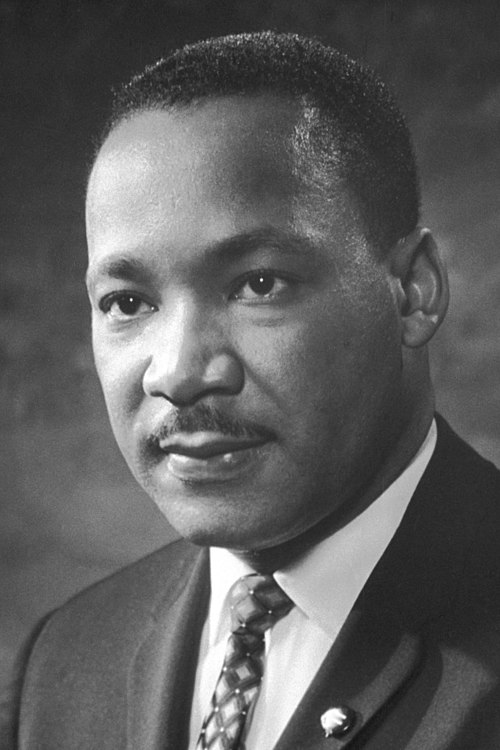
Martin Luther King Jr.
95Martin Luther King Jr. was an American Baptist minister and civil rights leader who championed nonviolent resistance to racial injustice and became the most prominent voice of the movement for equality in the United States.
Why A later leader who carried forward Douglass's struggle for racial equality.

Maya Angelou
80Maya Angelou was an American writer, poet and civil rights activist whose autobiography I Know Why the Caged Bird Sings became a landmark of American literature, giving powerful voice to Black womanhood, trauma and resilience.
Why Also a writer & activist · Active in the same era

Rosa Parks
82Rosa Parks was an American civil rights activist whose refusal to give up her bus seat to a white passenger in 1955 sparked the Montgomery Bus Boycott, a pivotal moment in the struggle against racial segregation.
Why Also a activist · Active in the same era

Carl Sagan
82Carl Sagan was an American astronomer and planetary scientist who became the world's most famous communicator of science, reaching millions through the television series Cosmos and best-selling books that made him a celebrated author as well as a researcher.
Why Also a writer · Active in the same era