Apostle · 5 – 64
Saint Paul
Key Takeaways
- Paul transformed Christianity from a Jewish sect into a universal world religion.
- He made three missionary journeys across Asia Minor, Greece, and the Mediterranean.
- His Epistles (letters) form 13 of the 27 books of the New Testament.
- He was a Roman citizen who used Roman roads and infrastructure to spread Christianity.
Without Paul, Christianity might have remained a small sect within Judaism. It was Paul who broke the faith open and carried it across the Roman Empire — making it available to all people regardless of whether they were Jewish, and laying the theological foundations that still define Christianity today.
The road to Damascus
Paul (born Saul) was a devout Pharisee who actively persecuted the early Christians — until a blinding vision on the road to Damascus transformed him into the faith’s most zealous missionary. He made three great journeys across Asia Minor and Greece, founding churches in Corinth, Ephesus, Philippi, Thessaloniki, and beyond. He argued powerfully that Christianity was open to Gentiles (non-Jews) — a crucial decision that gave the religion its universal character.
The theologian of the cross
Paul’s Epistles — his letters to these churches — form 13 of the 27 books of the New Testament and define the core of Christian theology: salvation by faith, not works; grace as God’s gift; the mystical body of Christ. Augustine of Hippo built his theology on Paul’s letters to the Romans; Martin Luther re-read those same letters and launched the Reformation. Paul was martyred in Rome under Nero around 64 CE, but his influence on Western civilization’s spiritual, ethical, and intellectual life cannot be overstated.
Converted from persecutor of Christians to the faith's greatest missionary, made three major journeys across the Mediterranean, founded churches across Asia Minor and Greece, and wrote the Epistles that define Christian theology.
Political Achievements
- Opened Christianity to Gentiles (non-Jews), transforming it from a Jewish sect into a universal religion.
- Established churches in major Roman cities including Corinth, Ephesus, Philippi, and Thessaloniki.
Historical influence score: 93/100
Influence
Paul's decision to take Christianity beyond Judaism to the Gentiles, and his theological framework of grace and faith, made Christianity a universal world religion and shaped Western civilization's moral and spiritual foundations.
Legacy
The most influential theologian in Christian history, his letters remain central to Christian doctrine and practice 2,000 years after his death.
Major Works
- Letter to the Romans
- Letter to the Corinthians
- Letter to the Galatians
- Letter to the Philippians
Little-Known Facts
- He never met Jesus during Jesus's lifetime — his conversion came on the road to Damascus through a vision.
- He was a Roman citizen and trained Jewish scholar (Pharisee) who could operate in both worlds, which was crucial to his success.
Myths & Misconceptions
Did Paul found Christianity?
He did not found it — Jesus did — but Paul was the greatest force in spreading Christianity beyond Judea and developing its theology. Without Paul, Christianity might have remained a small Jewish sect rather than becoming a world religion.
Connections
Frequently Asked Questions
Who was Saint Paul?
Saint Paul (c. 5–64 CE) was the Jewish-Roman apostle who transformed Christianity from a Jewish sect into a universal religion through three missionary journeys across the Mediterranean and the Epistles that define Christian theology.
Why is Paul so important to Christianity?
Paul opened Christianity to Gentiles (non-Jews), established churches across the Roman Empire, developed the theology of grace and faith, and wrote 13 Epistles that form a third of the New Testament — shaping Christian doctrine more than any other figure after Jesus.
Citations & Sources
People Like Saint

Augustine of Hippo
92Augustine of Hippo was a Roman North African theologian and philosopher whose works, including Confessions and City of God, shaped Western Christianity and laid intellectual foundations for medieval and modern thought.
Why The theologian whose conversion and doctrine were shaped most deeply by Paul's theology, especially his letters to the Romans.

Constantine the Great
87Constantine the Great was the Roman emperor who became the first to embrace Christianity, ended its persecution, and founded Constantinople as a new capital — decisions that reshaped the Roman world and the future of Europe.
Why The emperor whose adoption of Christianity built the institutional church that Paul's missions had laid the spiritual foundation for.
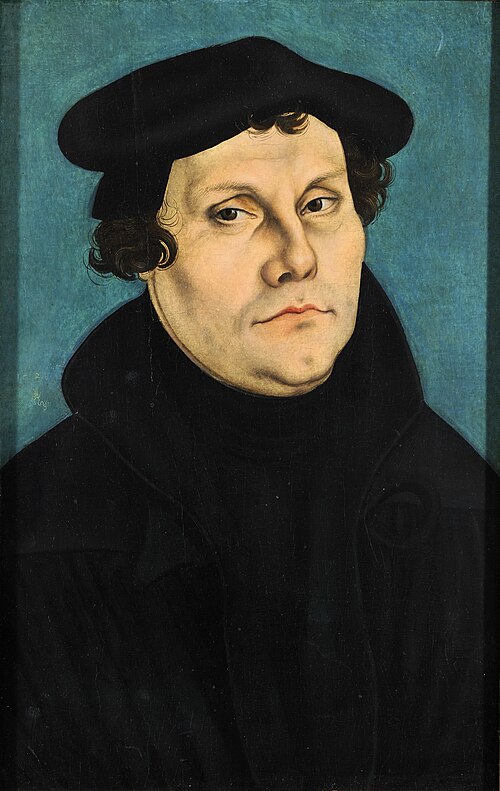
Martin Luther
91Martin Luther was a German theologian and reformer whose challenge to the Catholic Church sparked the Protestant Reformation and reshaped the religious, political and cultural landscape of Europe.
Why The reformer whose Reformation was ignited by a re-reading of Paul's doctrine of justification by faith.

Augustus
94Augustus was the first Roman emperor, the heir of Julius Caesar who ended a century of civil war, established the Roman Empire, and inaugurated the Pax Romana.
Why Active in the same era · From the same civilization

Francis of Assisi
87Francis of Assisi was the Italian friar who founded the Franciscan order, embraced radical poverty, preached to birds and animals, and created a spirituality of joy, simplicity, and care for all creation that became one of the most beloved expressions of Christianity.
Why Also a theologian · Comparable historical impact

John Calvin
86John Calvin was the French theologian and reformer who developed Calvinism, founded the Reformed tradition of Protestantism, and governed Geneva as a theocracy whose model of disciplined Christian community shaped Puritanism, Presbyterianism, and ultimately the foundations of modern democracy.
Why Also a theologian · Comparable historical impact