Theologians
The thinkers who systematized religious belief and wrestled with the deepest questions of God, faith and meaning.
Theologians shaped the doctrines, ethics and institutions of the world's religions, often bridging faith and philosophy. This page gathers the most influential theologians in history.
Key Takeaways
- Theologians systematized religious doctrine and reconciled faith with reason.
- Thomas Aquinas fused Christian theology with Aristotelian philosophy.
- Their work shaped churches, universities and ethics for centuries.

Augustine of Hippo
92Augustine of Hippo was a Roman North African theologian and philosopher whose works, including Confessions and City of God, shaped Western Christianity and laid intellectual foundations for medieval and modern thought.
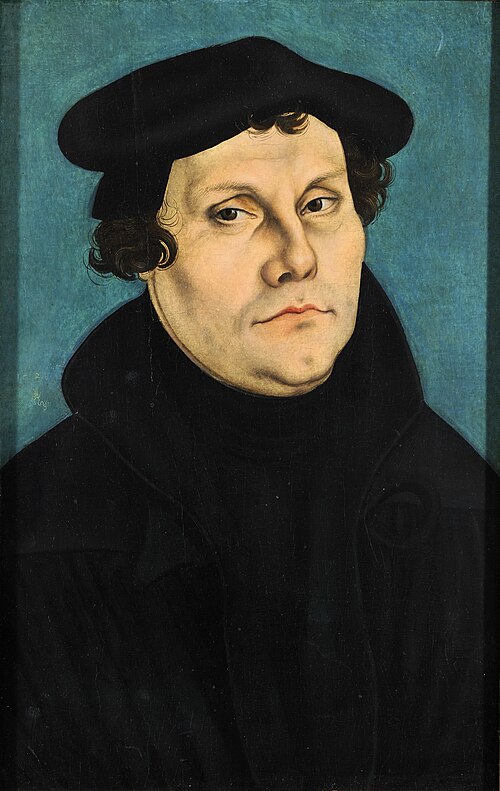
Martin Luther
91Martin Luther was a German theologian and reformer whose challenge to the Catholic Church sparked the Protestant Reformation and reshaped the religious, political and cultural landscape of Europe.

Thomas Aquinas
91Thomas Aquinas was a medieval Italian theologian and philosopher whose synthesis of Christian theology and Aristotelian philosophy became central to Catholic thought and the high point of scholasticism.

Hildegard of Bingen
84Hildegard of Bingen was a German Benedictine abbess and one of the most remarkable polymaths of the Middle Ages — a visionary, composer, writer, healer and natural philosopher.
Frequently Asked Questions
Who was the most influential theologian in history?
Thomas Aquinas is among the most influential, for his vast synthesis of Christian theology and Aristotelian philosophy in the Summa Theologica.