Apostle · 5 – 64
Saint Paul
If you're interested in Saint Paul, these historical figures share a similar impact, discipline, philosophy, or era. Each recommendation explains why the connection exists.
Similar Impact & Significance

Augustine of Hippo
92Augustine of Hippo was a Roman North African theologian and philosopher whose works, including Confessions and City of God, shaped Western Christianity and laid intellectual foundations for medieval and modern thought.
Why The theologian whose conversion and doctrine were shaped most deeply by Paul's theology, especially his letters to the Romans.

Constantine the Great
87Constantine the Great was the Roman emperor who became the first to embrace Christianity, ended its persecution, and founded Constantinople as a new capital — decisions that reshaped the Roman world and the future of Europe.
Why The emperor whose adoption of Christianity built the institutional church that Paul's missions had laid the spiritual foundation for.
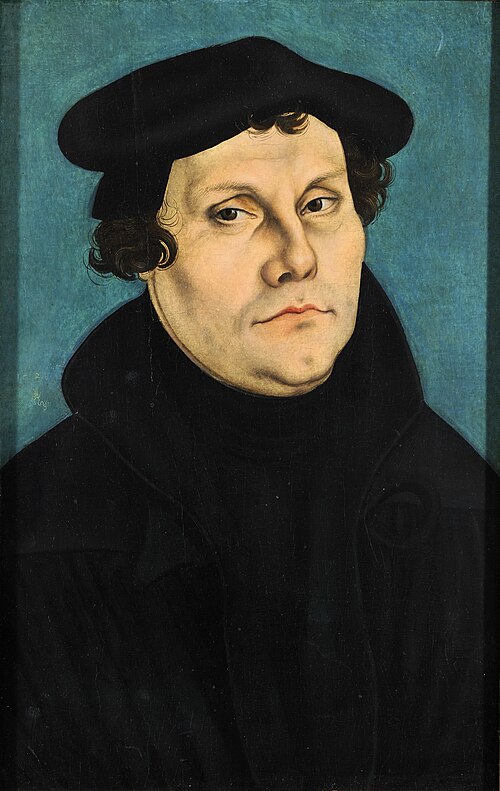
Martin Luther
91Martin Luther was a German theologian and reformer whose challenge to the Catholic Church sparked the Protestant Reformation and reshaped the religious, political and cultural landscape of Europe.
Why The reformer whose Reformation was ignited by a re-reading of Paul's doctrine of justification by faith.

Francis of Assisi
87Francis of Assisi was the Italian friar who founded the Franciscan order, embraced radical poverty, preached to birds and animals, and created a spirituality of joy, simplicity, and care for all creation that became one of the most beloved expressions of Christianity.
Why Also a theologian · Comparable historical impact

John Calvin
86John Calvin was the French theologian and reformer who developed Calvinism, founded the Reformed tradition of Protestantism, and governed Geneva as a theocracy whose model of disciplined Christian community shaped Puritanism, Presbyterianism, and ultimately the foundations of modern democracy.
Why Also a theologian · Comparable historical impact

Thomas Aquinas
91Thomas Aquinas was a medieval Italian theologian and philosopher whose synthesis of Christian theology and Aristotelian philosophy became central to Catholic thought and the high point of scholasticism.
Why Also a theologian · Comparable historical impact

Hildegard of Bingen
84Hildegard of Bingen was a German Benedictine abbess and one of the most remarkable polymaths of the Middle Ages — a visionary, composer, writer, healer and natural philosopher.
Why Also a theologian · Comparable historical impact

Cicero
88Cicero was a Roman statesman, orator and philosopher whose speeches and writings defined Latin prose, transmitted Greek philosophy to Rome, and championed the values of the Roman Republic.
Why From the same civilization · Comparable historical impact

Marcus Aurelius
90Marcus Aurelius was a Roman emperor and Stoic philosopher, the last of the "Five Good Emperors", whose private journal, the Meditations, is the most cherished work of Stoic thought.
Why Active in the same era · Comparable historical impact

Julius Caesar
95Julius Caesar was a Roman general and statesman whose conquest of Gaul and victory in civil war made him dictator of Rome, ending the Republic and paving the way for the Empire.
Why From the same civilization · Comparable historical impact

Cleopatra VII
90Cleopatra VII was the last active ruler of the Ptolemaic Kingdom of Egypt, a shrewd and learned monarch whose alliances with Julius Caesar and Mark Antony placed her at the center of Roman politics.
Why Comparable historical impact
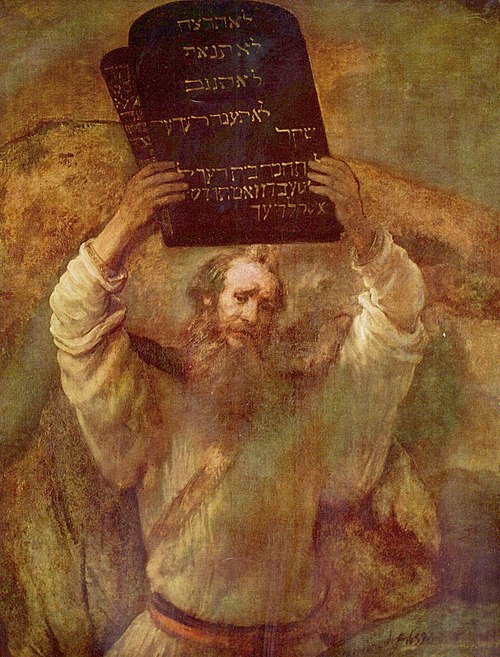
Moses
96Moses is the central prophet of Judaism and a foundational figure in Christianity and Islam, who according to scripture led the Hebrew people out of Egyptian slavery, received the Ten Commandments from God, and transmitted the Torah — the foundational texts of the Abrahamic religious tradition.
Why Comparable historical impact

Muhammad
98Muhammad was the founder of Islam and regarded by Muslims as the last prophet of God, whose revelations form the Quran and whose life and teachings shaped the religion now followed by 1.8 billion people across the world.
Why Comparable historical impact
Same Field or Discipline

Erasmus
80Erasmus was a Dutch humanist, scholar and writer, the leading intellectual of the Northern Renaissance, whose satire In Praise of Folly and pioneering edition of the Greek New Testament shaped both literature and the coming Reformation.
Why Also a theologian

Jan Hus
82Jan Hus was the Czech theologian and reformer who challenged the corruption and authority of the Catholic Church a century before Martin Luther, was burned at the stake for heresy in 1415, and whose martyrdom sparked the Hussite Wars and inspired the Protestant Reformation.
Why Also a theologian

Rumi
81Rumi was a 13th-century Persian poet and Sufi mystic whose ecstatic verse on divine love became some of the most beloved poetry in the world and made him, centuries later, one of the most widely read poets in the West.
Why Also a theologian
Same Era or Civilization

Augustus
94Augustus was the first Roman emperor, the heir of Julius Caesar who ended a century of civil war, established the Roman Empire, and inaugurated the Pax Romana.
Why Active in the same era · From the same civilization

Virgil
86Virgil was a Roman poet of the Augustan age whose epic the Aeneid became the national poem of Rome and one of the most influential works in all of Western literature.
Why Active in the same era · From the same civilization

Boudicca
80Boudicca was the queen of the Iceni tribe who led a major uprising against Roman rule in Britain around 60–61 CE, sacking Camulodunum, Londinium, and Verulamium before being defeated by the Roman governor Paulinus.
Why Active in the same era · From the same civilization

Hadrian
80Hadrian was a Roman emperor, one of the "Five Good Emperors", who consolidated rather than expanded the empire, traveled tirelessly through its provinces, and built the great frontier wall in Britain that still bears his name.
Why Active in the same era · From the same civilization

Nero
78Nero was the fifth Roman emperor, remembered as a byword for tyranny and excess, whose reign saw the Great Fire of Rome, the persecution of Christians, and a descent into cruelty that ended in his suicide and the fall of his dynasty.
Why Active in the same era · From the same civilization

Trajan
81Trajan was a Roman emperor under whom the Roman Empire reached its greatest territorial extent, a soldier-emperor remembered as one of the "Five Good Emperors" and celebrated by Romans as the best of all rulers.
Why Active in the same era · From the same civilization

Ovid
82Ovid was a Roman poet of the Augustan age whose Metamorphoses, a sweeping collection of mythological tales, became one of the most influential works of classical literature on later Western art and poetry.
Why Active in the same era · From the same civilization

Mark Antony
80Mark Antony was a Roman general and statesman, a close ally of Julius Caesar who, after Caesar's assassination, ruled much of the Roman world and allied with Cleopatra, before his defeat by Octavian ended the Roman Republic for good.
Why From the same civilization