Humanist · 1466 – 1536
Erasmus
Key Takeaways
- Erasmus was the foremost scholar of the Northern Renaissance.
- His satire In Praise of Folly mocked the corruption of church and society.
- His edition of the Greek New Testament influenced later Bible translation.
- He sought reform of the Church from within and disagreed with Luther's break.
Erasmus was the most admired scholar in Europe, a man who tried to reform the Church with learning and laughter rather than rebellion. The “Prince of the Humanists,” he shaped his age through both serious scholarship and biting satire.
Scholarship and satire
His witty masterpiece, In Praise of Folly, lets the goddess Folly mock the pretensions of monks, scholars and rulers alike — written, fittingly, while he was a guest of his friend Thomas More. More lastingly, his pioneering edition of the Greek New Testament put the original text before scholars and helped shape every later translation.
Reform without rupture
Erasmus’s criticisms of church corruption helped prepare the Reformation — “Erasmus laid the egg that Luther hatched,” people said. Yet when Martin Luther broke with Rome, Erasmus refused to follow, debating him over free will and pleading for peace. A humanist of the Renaissance, this scholar stood for reason and moderation in an age tearing itself apart.
Influence
Erasmus shaped European thought through scholarship and satire, preparing the ground for the Reformation even as he sought to reform the Church peacefully from within.
Legacy
Remembered as the 'Prince of the Humanists', he embodied learning, wit and moderation in an age of religious upheaval.
Major Works
- In Praise of Folly
- Novum Instrumentum (Greek New Testament)
- Adages
Connections
Frequently Asked Questions
Who was Erasmus?
Erasmus (1466–1536) was a Dutch humanist and the leading scholar of the Northern Renaissance, author of In Praise of Folly and an influential Greek New Testament.
What is In Praise of Folly?
In Praise of Folly is Erasmus's satirical essay in which Folly herself praises human foolishness, mocking the vanity and corruption of society and the Church.
Citations & Sources
People Like Erasmus
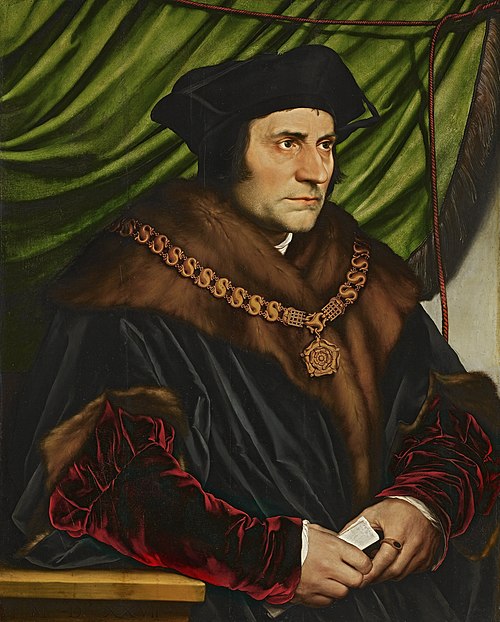
Thomas More
79Thomas More was an English statesman, lawyer and Renaissance humanist who served as Lord Chancellor and coined the word "utopia" in his book of that name — and who was executed for refusing to accept King Henry VIII's break with Rome.
Why A close friend to whom Erasmus dedicated In Praise of Folly.
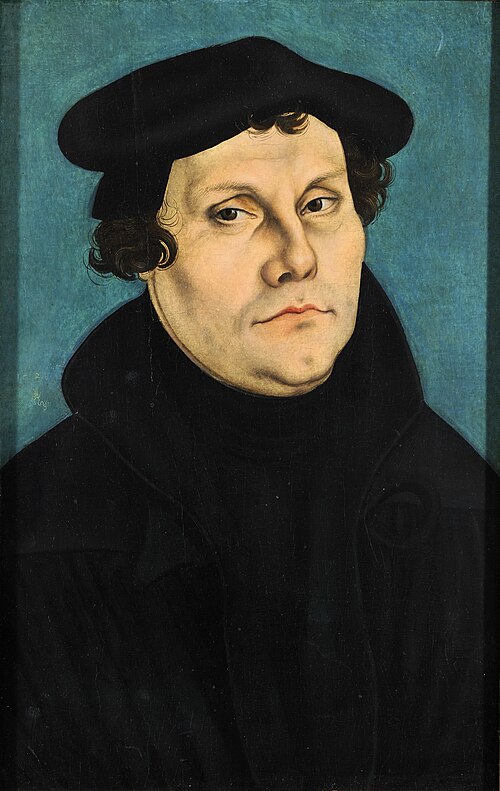
Martin Luther
91Martin Luther was a German theologian and reformer whose challenge to the Catholic Church sparked the Protestant Reformation and reshaped the religious, political and cultural landscape of Europe.
Why The reformer with whom Erasmus famously debated free will, while declining to leave the Church.

Michel de Montaigne
80Michel de Montaigne was a French Renaissance thinker and nobleman who invented the essay as a literary form, using candid self-examination to explore the human condition with unmatched honesty and wit.
Why A later humanist writer who shared Erasmus's sceptical, tolerant spirit.

Hildegard of Bingen
84Hildegard of Bingen was a German Benedictine abbess and one of the most remarkable polymaths of the Middle Ages — a visionary, composer, writer, healer and natural philosopher.
Why Also a theologian & writer · Comparable historical impact

Niccolò Machiavelli
88Niccolò Machiavelli was a Renaissance Italian diplomat, political philosopher and writer whose treatise The Prince founded modern political science and gave his name to ruthless statecraft.
Why Also a writer · Active in the same era

Augustine of Hippo
92Augustine of Hippo was a Roman North African theologian and philosopher whose works, including Confessions and City of God, shaped Western Christianity and laid intellectual foundations for medieval and modern thought.
Why Also a theologian & writer