Historical Figures
An authoritative, deeply-linked database of history's most influential people. Browse 319+ figures by occupation, era, and civilization, or use search to find anyone instantly.

Toussaint Louverture
87Toussaint Louverture was the Haitian revolutionary leader who rose from slavery to lead the only successful slave revolt in history, defeating French, Spanish, and British armies to lay the foundations for Haiti's independence as the world's first Black republic.

Toyotomi Hideyoshi
81Toyotomi Hideyoshi was the warrior-statesman who completed the unification of Japan begun by Oda Nobunaga, rising from peasant origins to rule the entire country before launching ambitious and ill-fated invasions of Korea.

Trajan
81Trajan was a Roman emperor under whom the Roman Empire reached its greatest territorial extent, a soldier-emperor remembered as one of the "Five Good Emperors" and celebrated by Romans as the best of all rulers.
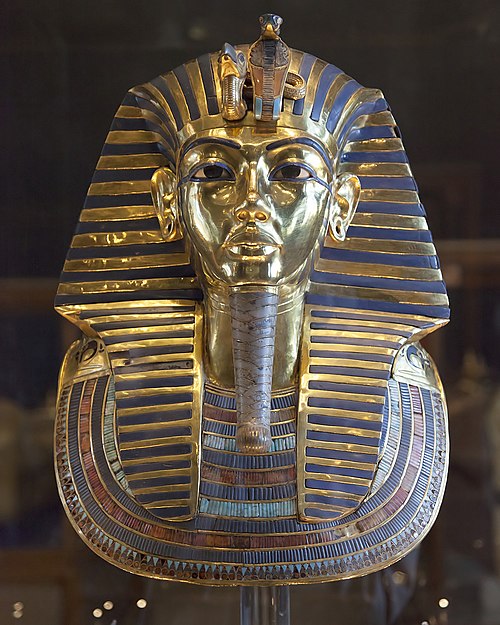
Tutankhamun
80Tutankhamun was an Egyptian pharaoh of the Eighteenth Dynasty whose near-intact tomb, discovered in 1922, became the most famous archaeological find in history and made him the best-known of all ancient Egyptians.

Umar ibn al-Khattab
84Umar ibn al-Khattab was the second Rashidun caliph, one of the most powerful and influential leaders in Islamic history, under whom the early Muslim state expanded into a vast empire and developed its foundational institutions of government.
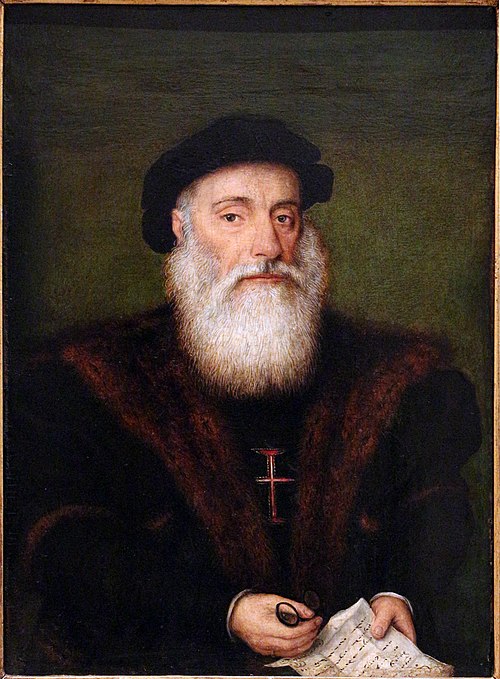
Vasco da Gama
82Vasco da Gama was a Portuguese explorer and navigator who opened the first sea route from Europe to India around the southern tip of Africa, transforming global trade.

Vercingetorix
79Vercingetorix was the Gallic chieftain who united the tribes of Gaul in a great revolt against Julius Caesar's Roman conquest in 52 BCE, nearly defeating him at the siege of Gergovia before being captured at Alesia and executed in Rome.
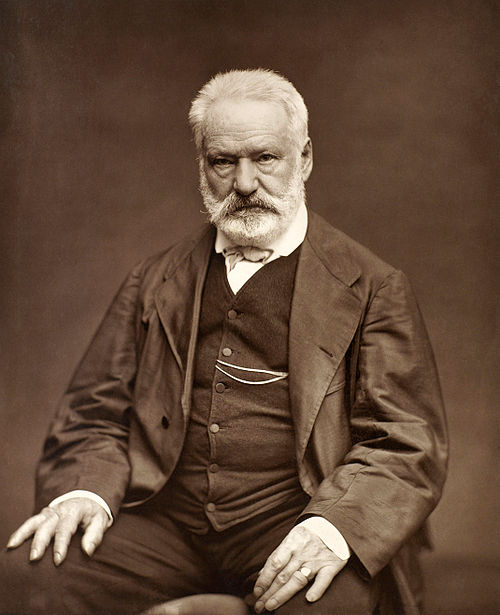
Victor Marie Hugo
89Victor Hugo was a French novelist, poet, and dramatist, the towering figure of French Romanticism, whose novels Les Misérables and The Hunchback of Notre-Dame are monuments of world literature.
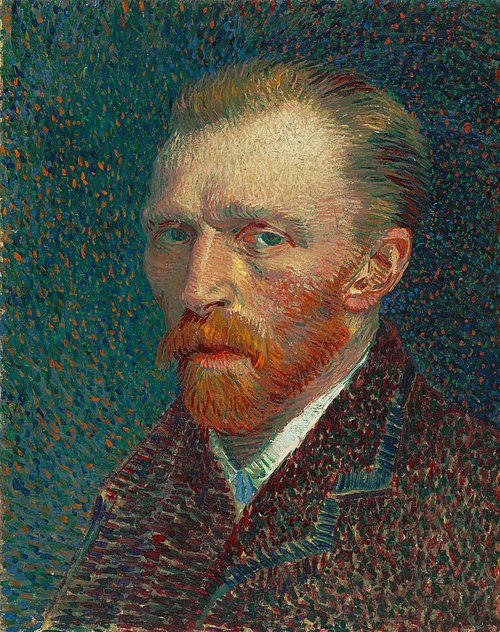
Vincent van Gogh
93Vincent van Gogh was a Dutch Post-Impressionist painter whose intense color, expressive brushwork, and emotional depth made him one of the most influential artists in Western history, though he found little recognition in his own lifetime.

Virgil
86Virgil was a Roman poet of the Augustan age whose epic the Aeneid became the national poem of Rome and one of the most influential works in all of Western literature.

Virginia Woolf
81Virginia Woolf was an English writer, a central figure of literary modernism, whose novels Mrs Dalloway and To the Lighthouse pioneered stream of consciousness, and whose essay A Room of One's Own became a landmark of feminist thought.

Vlad the Impaler
79Vlad the Impaler was the 15th-century ruler of Wallachia (in modern Romania) who became notorious for impaling his enemies on stakes, defended his land against Ottoman expansion, and became the historical inspiration for Bram Stoker's fictional Dracula.

Vladimir Lenin
92Vladimir Lenin was the Marxist revolutionary who led the Bolshevik seizure of power in Russia in 1917, founded the Soviet Union, and created the first communist state — reshaping the course of the 20th century.

Voltaire
90Voltaire was a French Enlightenment writer, philosopher and wit, a tireless champion of reason, free speech and religious tolerance and one of the most influential figures of his age.

Walt Whitman
81Walt Whitman was an American poet whose collection Leaves of Grass broke from traditional verse to celebrate democracy, the body and the self in sweeping free verse, making him a founding father of modern American poetry.

Werner Heisenberg
87Werner Heisenberg was a German physicist who founded matrix mechanics and formulated the uncertainty principle, two of the cornerstones of quantum mechanics.

William Butler Yeats
80William Butler Yeats was an Irish poet and dramatist, one of the greatest poets of the 20th century and a driving force of the Irish Literary Revival, who won the Nobel Prize in Literature and helped found Ireland's national theatre.

William Faulkner
80William Faulkner was an American novelist whose dense, experimental novels set in the fictional Yoknapatawpha County of the Deep South — including The Sound and the Fury — won him the Nobel Prize in Literature and made him one of the most influential writers of the 20th century.
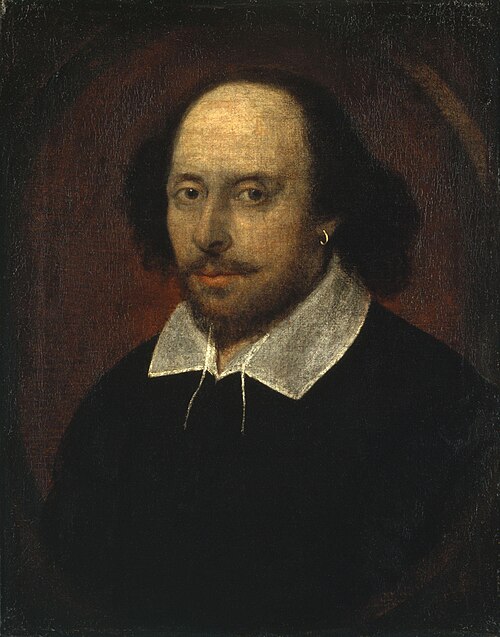
William Shakespeare
96William Shakespeare was an English playwright and poet widely regarded as the greatest writer in the English language and the world's preeminent dramatist.
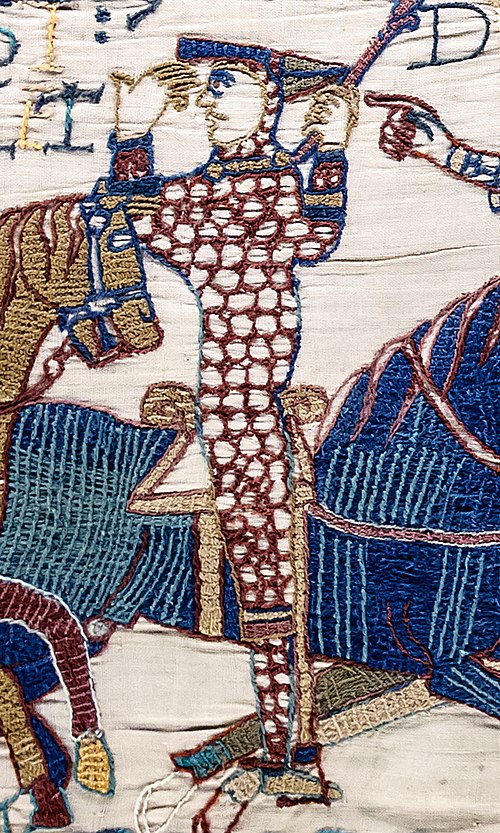
William the Conqueror
84William the Conqueror was the Duke of Normandy who invaded England in 1066, won the Battle of Hastings, and became its king, transforming English society, language and government in one of the most consequential conquests in history.

William Wallace
82William Wallace was the Scottish knight who led the first great uprising against English rule, winning the Battle of Stirling Bridge in 1297, serving as Guardian of Scotland, and enduring a brutal execution that made him the enduring martyr-hero of Scottish independence.

William Wordsworth
80William Wordsworth was an English poet who, with the Lyrical Ballads, helped launch the Romantic movement in English literature, celebrating nature, memory and ordinary life in language closer to common speech.

Winston Churchill
90Winston Churchill was the British statesman who led the United Kingdom to victory in World War II — and a prolific historian and writer whose books and speeches won him the Nobel Prize in Literature, a rare honour for a man of action.

Wolfgang Amadeus Mozart
96Wolfgang Amadeus Mozart was an Austrian composer of the Classical era, a child prodigy who produced more than 600 works of extraordinary range and beauty and is widely regarded as one of the greatest composers in history.