Prince · 1428 – 1476
Vlad the Impaler
Key Takeaways
- Vlad used mass impalement of enemies as a terror tactic and method of justice.
- He successfully resisted the Ottoman Empire, even forcing Mehmed II to withdraw.
- He is a national hero in Romania for defending against Ottoman conquest.
- He became the historical inspiration for Bram Stoker's Dracula (1897).
Vlad III of Wallachia created a forest of impaled corpses to greet the invading Ottoman army of Mehmed II — and it worked. The sultan, who had taken Constantinople and crushed everything in his path, reportedly turned back. Vlad’s methods were monstrous by any standard, but they defended his small principality against the most powerful military force in the eastern world.
The forest of stakes
Vlad ruled Wallachia (in modern Romania) three times between the 1440s and 1470s in the turbulent no-man’s-land between Christian Europe and the expanding Ottoman Empire. He used impalement — driving a stake through the body while keeping the victim alive — as his preferred method of execution, reportedly impaling tens of thousands of enemies, criminals, foreign merchants, and anyone he considered a threat. German pamphlets printed after his death described his atrocities in graphic detail, creating the legend that Bram Stoker eventually transformed into Dracula.
National hero and vampire
In Romania, Vlad’s memory is more complex. He is a national hero who defended Wallachian independence against the Ottomans — his 1462 night raid on Mehmed II’s camp was a bold military stroke, and his forest of impaled Ottoman prisoners shocked the sultan into withdrawing. The same brutal methods that made him a monster in German pamphlets made him a protector in Romanian memory. In 1897, Stoker’s Dracula attached the vampire legend to his name and castle location, creating the world’s most famous literary monster from the most feared historical ruler of medieval Romania.
Ruled Wallachia three times, successfully resisted Ottoman expansion including a confrontation with Mehmed II, used extreme brutality to consolidate power and terrorize enemies, and became the historical basis for the Dracula legend.
Military Feats
- Successfully resisted Ottoman invasion (1462), forcing Mehmed II to withdraw.
- Used a scorched-earth policy and psychological terror to neutralize superior forces.
Historical influence score: 79/100
Influence
Vlad's brutal resistance to the Ottomans helped preserve Wallachia's semi-independence, and his legend shaped European perceptions of the Balkans and became the inspiration for one of literature's most enduring monsters.
Legacy
A national hero in Romania for resisting Ottoman conquest, and the world's most famous vampire through Stoker's fiction — his dual reputation illustrates how historical memory transforms political violence into mythology.
Controversies
- Impaled tens of thousands of people — enemies, criminals, and perceived traitors.
- German pamphlets from the period describe atrocities in graphic detail.
Little-Known Facts
- The name 'Dracula' comes from his father's membership in the Order of the Dragon — 'Dracul' means 'dragon' (and also 'devil') in Romanian.
- Ottoman sources describe his 1462 campaign against them with horror — Sultan Mehmed II reportedly turned back when confronted with a field of impaled Ottoman prisoners.
Myths & Misconceptions
Was Vlad a vampire?
No — the vampire legend developed independently and was only attached to Vlad's name by Bram Stoker in 1897. The historical Vlad was a real ruler whose methods were brutal even by 15th-century standards, but vampirism is pure fiction.
Connections
Frequently Asked Questions
Who was Vlad the Impaler?
Vlad the Impaler (c. 1428–1476) was the ruler of Wallachia who defended his land against Ottoman expansion through extreme brutality and became the historical inspiration for Bram Stoker's Dracula.
Citations & Sources
People Like Vlad

Mehmed II
88Mehmed II was the Ottoman sultan who conquered Constantinople in 1453, ending the Byzantine Empire and the Middle Ages, transforming the city into Istanbul and making the Ottoman Empire the dominant power of the Eastern Mediterranean.
Why The Ottoman sultan who invaded Wallachia and reportedly recoiled in horror at the forest of impaled corpses Vlad had created.
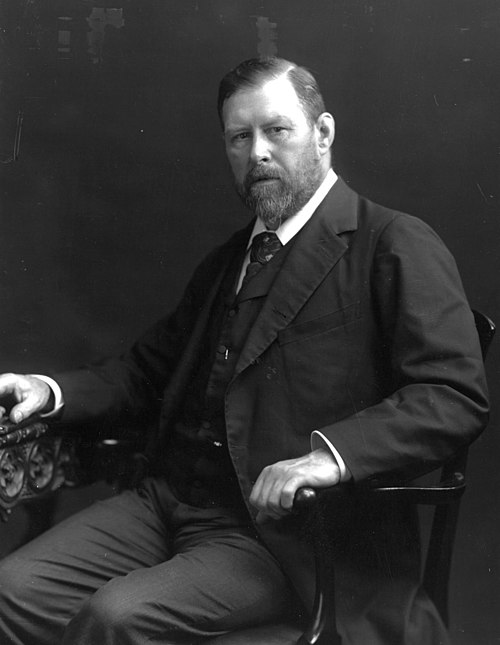
Bram Stoker
78Bram Stoker was an Irish writer and theatre manager whose 1897 Gothic novel Dracula created the modern vampire and became one of the most influential works of horror fiction ever written.
Why The Irish author who used Vlad's name and reputation as inspiration for his 1897 novel Dracula.

Attila the Hun
80Attila the Hun was the fearsome ruler of the Hunnic Empire who terrorized the late Roman world in the 5th century, leading devastating invasions across Europe that earned him the name the "Scourge of God".
Why An earlier military leader who used terror as a systematic military and political strategy.

Gjergj Kastrioti Skanderbeg
81Skanderbeg was the Albanian nobleman who defected from the Ottoman army, united the Albanian princes, and defended Albania against three decades of Ottoman campaigns — becoming the symbol of Albanian national identity and a celebrated Christian hero across 15th-century Europe.
Why Also a military leader & prince · Active in the same era

Alfred the Great
80Alfred the Great was the king of Wessex who defended Anglo-Saxon England against the Vikings, reformed law, learning and defense, and is the only English monarch ever called "the Great".
Why Also a military leader & ruler · Active in the same era

Charles Martel
81Charles Martel was the Frankish military leader who halted the Muslim advance into Western Europe at the Battle of Tours in 732, laying the foundations of the Carolingian dynasty that his grandson Charlemagne would raise to empire.
Why Also a military leader & ruler · Active in the same era